


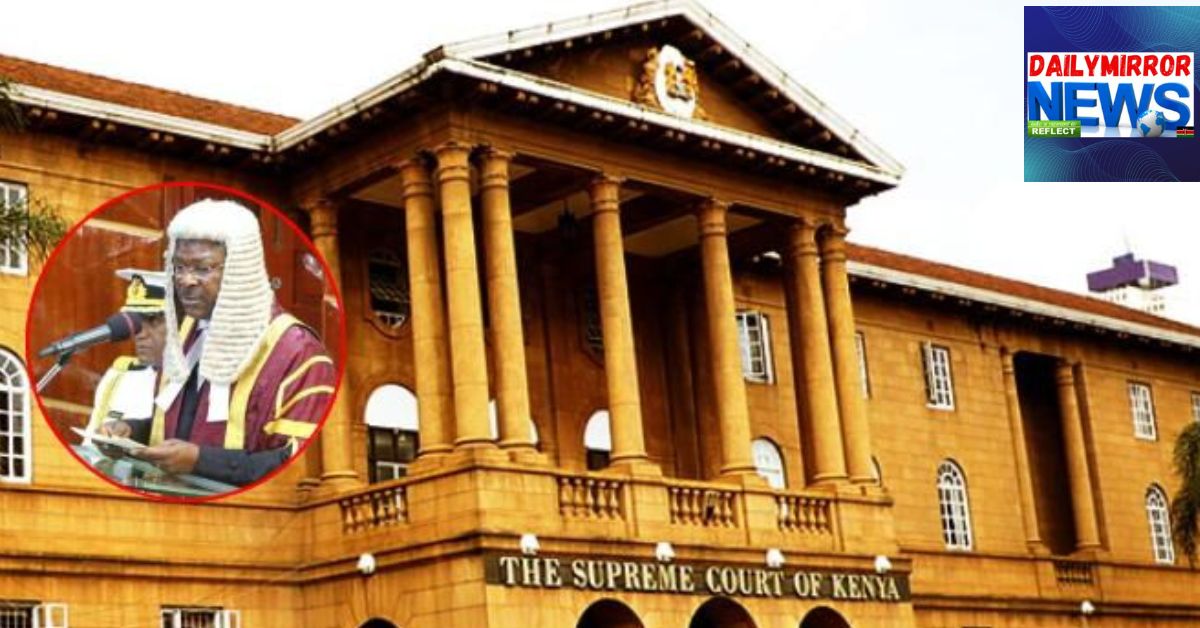
Court Dismisses Petition Seeking Contempt Charges Against Speaker Wetang’ula Over Majority Ruling
In a ruling delivered on Friday, May 29, a three-judge bench found that the petitioners had failed to meet the legal threshold required to prove that the Speaker deliberately disobeyed a previous court judgment relating to the composition of the House leadership.
The petition, led by Kenneth Njagi Njiru, sought to have Wetang’ula punished for alleged contempt and further asked the court to declare him unfit to continue serving as Speaker of the National Assembly.
However, the judges rejected the application, ruling that the evidence presented did not demonstrate any intentional or willful violation of the court’s earlier orders.
The dispute traces its roots to a landmark judgment delivered on February 7, 2025, in which the High Court declared that Wetang’ula’s October 6, 2022 ruling concerning the majority and minority status of political coalitions in the National Assembly violated Article 108 of the Constitution and was therefore null and void.
According to the applicants, the Speaker’s decision to recognize the Azimio la Umoja One Kenya Coalition Party as the minority side in Parliament amounted to a continuation of actions that had already been declared unconstitutional.
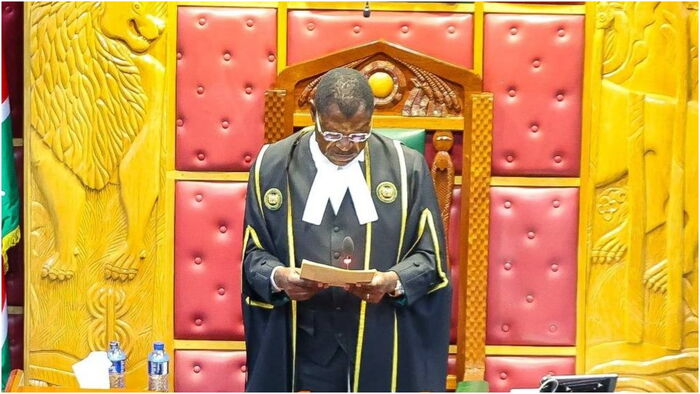
The petitioners further contended that the Speaker could not continue simultaneously serving as leader of Ford Kenya while presiding over parliamentary proceedings involving parties aligned to the Kenya Kwanza coalition.
The judges emphasized that for contempt of court to be established, several legal requirements must first be satisfied.
These include proof that the court order in question was clear and unambiguous, that the respondent was fully aware of the order, that there was an actual breach of the order, and that the breach was deliberate and intentional.
“We therefore find no proof of deliberate and willful disobedience by the respondent of the specific terms of the orders we issued. It is our finding that contempt of court has not been established. The application lacks merit.”
The bench further explained that the February judgment was largely declaratory in nature and did not contain mandatory directives requiring the Speaker to undertake or refrain from specific actions.
“A declaratory order means a ruling that is explanatory in purpose. It is designed to clarify what was previously uncertain.”

“In other words, it states the court’s authoritative opinion regarding the exact nature of the legal matter without requiring parties to do anything.”
The court also rejected requests seeking to bar Wetang’ula from performing his duties as Speaker and to invalidate all parliamentary proceedings conducted under his leadership following the February judgment.
According to the bench, such requests introduced new issues and circumstances that were not part of the original case and therefore could not be addressed through contempt proceedings.
The judges further observed that at least four appeals challenging the February judgment had already been filed before higher courts.
The court advised that parties dissatisfied with the interpretation or effect of the February ruling should pursue the available appeal mechanisms rather than seek contempt sanctions.
In the end, the petition was dismissed in its entirety, with the court directing that each party bear its own legal costs.
ALSO READ: CS Ruku Orders State Agencies to Adopt New HRIS System or Risk Salary Payments Freeze
Court Dismisses Petition Seeking Contempt Charges Against Speaker Wetang’ula Over Majority Ruling
