



Wetang’ula Raises Alarm Over Teacher Shortage in Rural Schools, Calls for Urgent Redistribution
The Speaker pointed out that while the government has made significant strides in hiring teachers under President William Ruto’s administration, the benefits have not been evenly felt across the country.
“The Principal here said that there are not enough teachers, and this is something that I want to take up with our Education CS. Since President William Ruto came into power, he has employed 100,000 teachers, with an additional 20,000 planned in June and July this year. Therefore, we should not have a situation where we have an unfair ratio of teachers,” Wetang’ula said.
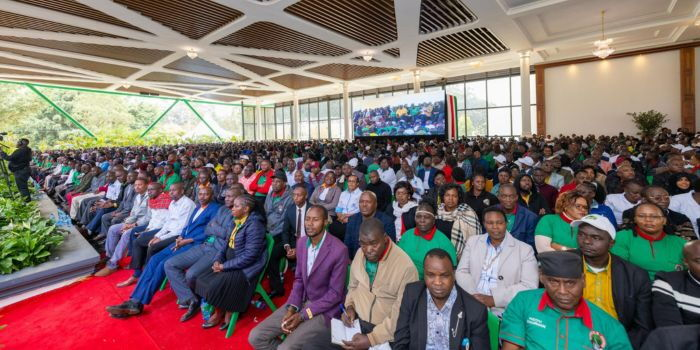
PCS
According to the Speaker, the challenge is no longer primarily about recruitment, but rather the equitable distribution of available personnel. He warned that some regions continue to suffer due to what he described as imbalanced deployment policies.
Wetang’ula highlighted that in certain schools, including Kolongolo Secondary School, the shortage of teachers is severe, with deficits reportedly reaching up to 28 educators. Such gaps, he said, undermine the quality of education and place undue strain on existing staff and students.
“When teachers are being employed, they say that they are ready to serve in any part of the republic; however, when they are posted to rural areas, they start bargaining to be moved to urban areas, leaving rural areas understaffed,” he observed.
The Speaker stressed that the current imbalance is unjustifiable, particularly at a time when the government has invested heavily in improving the teacher-to-learner ratio nationwide. He argued that ensuring fairness in deployment is now more critical than increasing the number of teachers.
“We must ensure equitable distribution of teachers. No region should be disadvantaged because of poor deployment policies,” he added.
Wetang’ula called on Education Cabinet Secretary Julius Ogamba to implement measures that guarantee fairness in postings, warning against allowing personal preferences to dictate assignments.
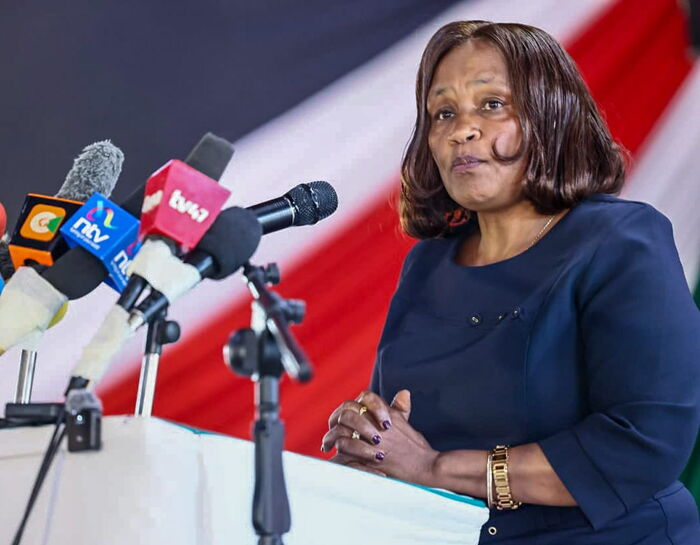
The infrastructure upgrade is expected to support improved coordination in teacher management, including recruitment, deployment, and monitoring of staffing levels across schools.
Analysts say that while recruitment remains important, effective deployment and retention strategies will be key to addressing systemic inequalities in the education sector.

As calls for reform intensify, the spotlight is now on the Ministry of Education and the TSC to implement policies that ensure all learners, regardless of location, have access to adequate teaching staff.
The issue is expected to remain a central focus in education policy discussions, particularly as the government seeks to improve learning outcomes and bridge disparities between urban and rural schools.
ALSO READ: Nigerian President Tinubu Accused of Dismissing Kenya in Fuel Crisis Remarks
Wetang’ula Raises Alarm Over Teacher Shortage in Rural Schools, Calls for Urgent Redistribution
