



Mining Communities Dispute Kenya’s New Royalty Sharing Formula, Demand Higher Share of Revenues
However, this structure has sparked growing discontent among mining communities, who now claim that the formula fails to reflect the social, environmental, and economic burdens they bear.
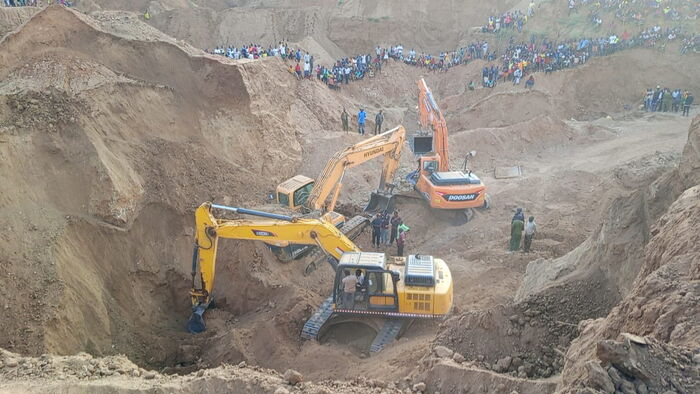
Local miners and community representatives have criticised both the proportion allocated to communities and the mechanisms used to disburse the funds, saying the benefits rarely reach the intended recipients.
“We cannot allow for the community to get 10 per cent. That 10 per cent is not even given to the community directly. It goes to the county government, which then uses it for development,” said Hesborn Musambayi, a representative of miners working with Rosterman, a gold mining company in Kakamega. “Even when we ask for our community share, we never get it.”
The concerns highlight longstanding tensions between local communities, county governments, and the national administration over resource control and equitable benefit-sharing.
“The 10 per cent should be given directly to the community through registered groups or administrations,” said George Mbavi, chair of miners at Rosterman. “But saying it should go to the National Treasury and be disbursed through the development fund, we feel we are being taken advantage of.”
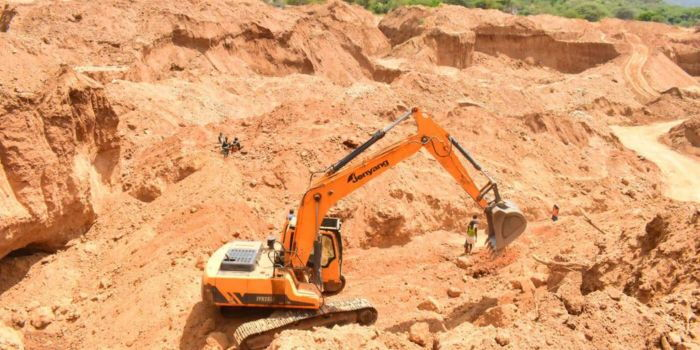
Members of the committee have argued that communities hosting mining operations should receive a larger share of royalties, given their exposure to environmental degradation, land displacement, and health risks associated with extractive activities.
Despite the criticism, Mining Cabinet Secretary Hassan Ali Joho has defended the regulations, stating that they provide a structured and transparent system for managing mining revenues across the country.
He noted that the framework was developed to ensure accountability and consistency in the distribution of funds, while also supporting national development priorities.
However, the CS acknowledged challenges in the rollout of the system, particularly delays in the disbursement of funds to beneficiaries.
“The Treasury sometimes takes too long to disburse funds to the community. We want to see timely disbursements,” Joho admitted during his appearance before the parliamentary committee.
The delays have further fuelled frustration among communities, many of whom say they have yet to see tangible benefits despite ongoing mining activities in their regions.

As debate over the regulations intensifies, pressure is mounting on the government to review the framework and address concerns raised by communities, lawmakers, and industry stakeholders.
For many residents in mining zones, the issue goes beyond percentages, centring on fairness, transparency, and the right to benefit from resources extracted from their own land.
ALSO READ: CCTV Footage Shows Final Moments of 22-Year-Old Woman Before Fatal Fall from Kileleshwa Airbnb
Mining Communities Dispute Kenya’s New Royalty Sharing Formula, Demand Higher Share of Revenues
