



Strait of Hormuz Tensions Raise Fuel, Shipping Cost Concerns in Kenya
The narrow waterway, located between Iran and Oman, handles more than 20 percent of global crude oil and liquefied natural gas shipments. Any disruption to traffic through the strait can quickly send shockwaves across international energy markets, affecting countries that rely heavily on imported fuel.
The situation intensified after Donald Trump issued a stark warning to Tehran, threatening severe military retaliation if shipping lanes were not kept open.
“The US will obliterate Iranian power plants if the Strait of Hormuz is not open before a 48-hour deadline,” Trump warned, according to international reports.
Iranian state media responded with its own warning, stating that any attack on the country’s energy infrastructure would trigger retaliatory strikes against U.S. and Israeli assets in the region, including energy facilities. The exchange of threats has heightened fears that the ongoing conflict between the U.S., Israel, and Iran — now entering its fourth week — could escalate further.
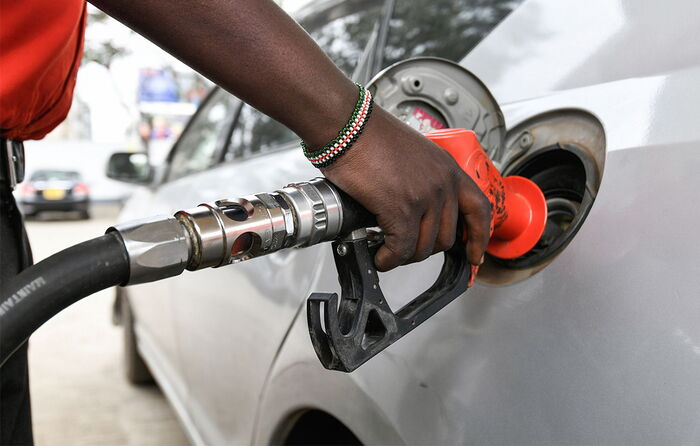
For Kenya, the implications are immediate and potentially severe. The country imports nearly all of its refined petroleum products, making it highly vulnerable to global oil price fluctuations and disruptions in maritime supply chains.
Any increase in international oil prices or shipping costs translates directly into higher landing costs for fuel imports, which are eventually passed on to consumers through pump prices. Higher fuel costs can also ripple through the economy, driving up transport expenses, food prices, and the cost of goods and services.\
During the latest review period from March 15 to April 14, the Energy and Petroleum Regulatory Authority (EPRA) opted to maintain fuel prices despite the rising tensions. Analysts attribute this to the fact that most of the cargoes currently being sold were priced in February, before the latest escalation in the Middle East.
However, market observers warn that the next pricing cycle could reflect the full impact of the crisis if instability persists.

Kenya’s fuel pricing formula takes into account global oil benchmarks, exchange rate fluctuations, shipping costs, taxes, and government subsidies. While this mechanism smooths short-term volatility, prolonged disruptions could eventually overwhelm these safeguards.
One mitigating factor is that Iran has not fully closed the strait, allowing passage for certain vessels, though the criteria for exemptions remain unclear.

As diplomatic efforts continue and military tensions remain high, Kenyan policymakers, businesses, and consumers are bracing for potential economic fallout from a crisis unfolding thousands of kilometers away but with direct consequences at home.
ALSO READ: Talks Over Collaboration with UDA to Dominate Upcoming ODM NDC Meeting, Otiende Amollo Reveals
Strait of Hormuz Tensions Raise Fuel, Shipping Cost Concerns in Kenya
