


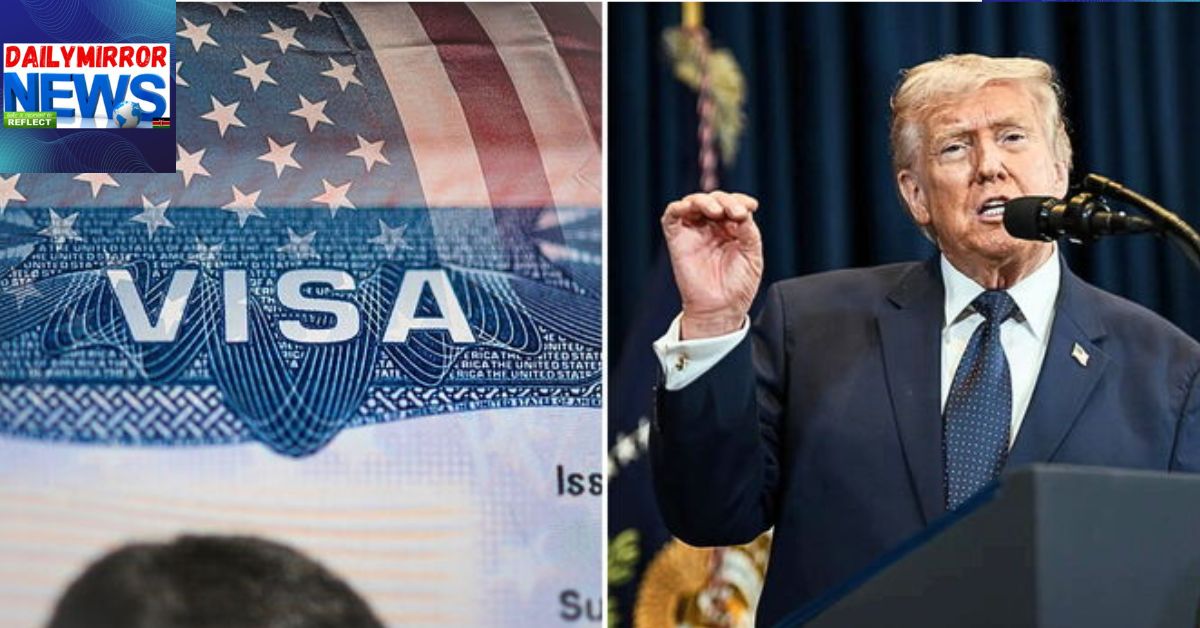
US Embassy in Uganda Warns Travellers Against Relying on Public Benefits Abroad
In a statement released on Sunday, March 22, the mission emphasized that visitors must be able to support themselves throughout their stay, including during emergencies such as medical crises or unexpected travel disruptions. The warning comes amid increasingly strict immigration enforcement policies affecting several countries.
“If you’re planning travel to the United States, make sure you have the financial means to pay your own way — including any travel disruptions or medical emergencies that could arise,” the embassy said.
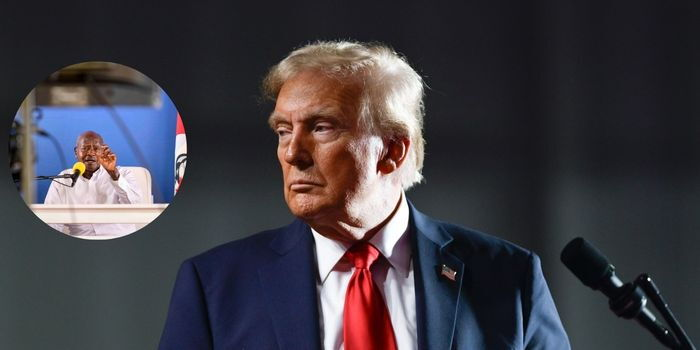
“Abusing U.S. taxpayer-funded benefits may have permanent consequences that make you ineligible to travel, study, or work in the United States in the future,” the advisory added.
The warning is particularly relevant for citizens of Uganda, which has recently faced tighter visa scrutiny from the administration of Donald Trump following the country’s 2026 general election, in which President Yoweri Museveni secured a seventh term in office.
Earlier this year, William Popp, the U.S. Ambassador to Uganda, announced new requirements for applicants seeking B-1/B-2 business or tourist visas. Under the revised rules, eligible travellers must post a refundable bond of $15,000 (approximately KSh1.9 million) before a visa can be issued.
The embassy also indicated that, beginning this year, B-1/B-2 visas issued to Ugandan nationals will be valid for a maximum of three months — significantly shorter than previous durations. In addition, the U.S. government has temporarily paused the issuance of immigrant visas to Ugandans while it reviews vetting procedures to ensure applicants meet eligibility standards.
Officials clarified, however, that the pause does not affect most non-immigrant visas, including those for tourists, students, skilled workers, and their immediate family members.
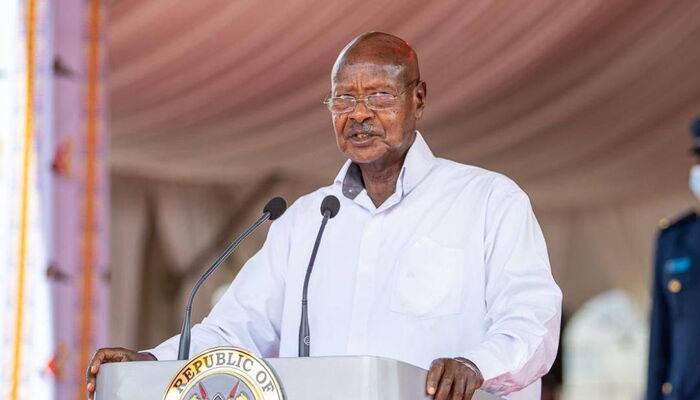
According to that guidance, a visa merely allows a traveller to present themselves at a port of entry, where immigration officials ultimately determine whether to admit the individual and for how long. The embassy stressed that the visa expiration date should not be confused with the authorized duration of stay.
Immigration experts say the latest advisory underscores a broader policy shift emphasizing self-sufficiency among visitors and stricter enforcement against overstays and public-benefit dependency.
For prospective travellers, the message is clear: adequate financial preparation is now a critical factor in securing and maintaining the privilege of visiting the United States.
ALSO READ: Kindiki Declares All-Out War on Nyambene Bandits, Sets Two-Week Ultimatum
US Embassy in Uganda Warns Travellers Against Relying on Public Benefits Abroad
