



10Kg Maize Seed to Sell for KSh2,625 as Govt Rolls Out KSh2 Billion Subsidy
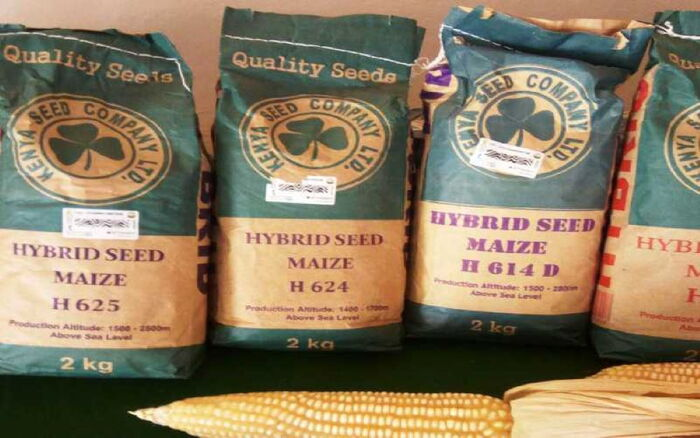
In a directive issued by the Ministry of Agriculture and Livestock Development, farmers across the country will now purchase subsidised maize seeds at significantly lower prices, with a 10-kilogram packet set to retail at KSh2,625.
Agriculture Cabinet Secretary Mutahi Kagwe said the intervention is designed to increase planting acreage, improve harvests, and stabilise food prices in the long term.
“Big win to our farmers as subsidised maize seed prices take effect tomorrow at 11am (Wednesday) after the Kenya Seed system update. We are making seeds more affordable nationwide,” Kagwe announced.
The subsidy will be implemented through Kenya Seed Company, the state-backed firm responsible for producing and distributing certified seeds to farmers nationwide. In a letter dated March 23 addressed to Managing Director Sammy Chepsiror, the ministry outlined the new prices and instructed immediate rollout.
Farmers have repeatedly called for input subsidies, arguing that high seed and fertiliser prices have discouraged cultivation and reduced productivity in recent seasons.
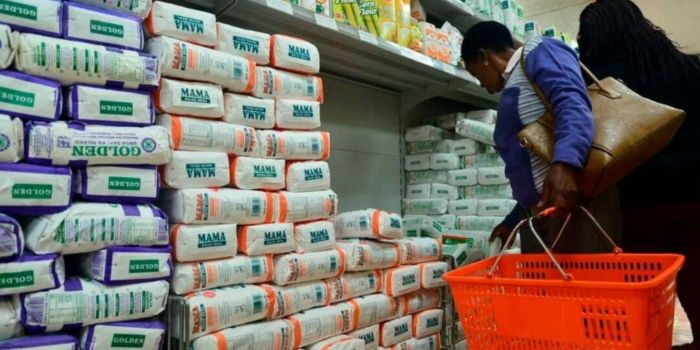
Maize is Kenya’s primary staple crop, and fluctuations in production directly affect the cost of maize flour, a dietary mainstay for millions of households.
Last year’s production targets — estimated between 70 and 80 million bags — were disrupted by erratic rainfall patterns, leaving many farmers with poor yields.
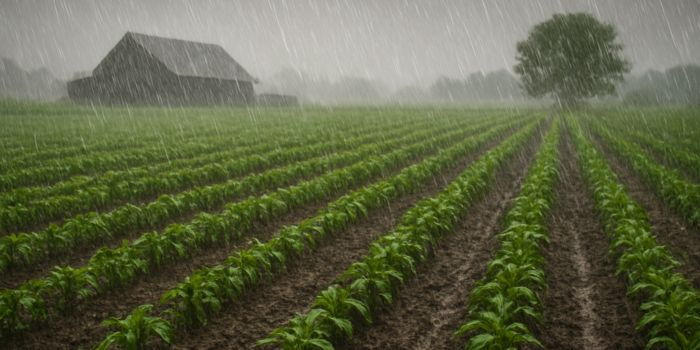
However, the Kenya Meteorological Department has projected a possible return of the El Niño weather phenomenon later this year, which typically brings above-average rainfall to parts of the country.
While excessive rainfall can sometimes cause flooding and crop damage, moderate El Niño conditions are often associated with improved agricultural output in rain-fed farming regions.
Economists also note that increased domestic supply could stabilise inflation in the food sector, which has been a key driver of the cost-of-living crisis.
Nonetheless, some experts caution that timely distribution and accessibility in remote areas will determine the programme’s success, warning that logistical challenges have undermined past subsidy efforts.
For many small-scale farmers, the reduced prices represent a critical lifeline as they prepare their fields amid tight financial conditions.
As planting season begins, all eyes will be on whether the cheaper seeds translate into fuller granaries and more stable food prices for Kenyan households in the months ahead.

ALSO READ: Former Meru Governor Kiraitu Calls It Quits After Three Decades in Politics
10Kg Maize Seed to Sell for KSh2,625 as Govt Rolls Out KSh2 Billion Subsidy
