


U.S. Embassies in Africa Suspend Routine Updates Amid Federal Funding Lapse
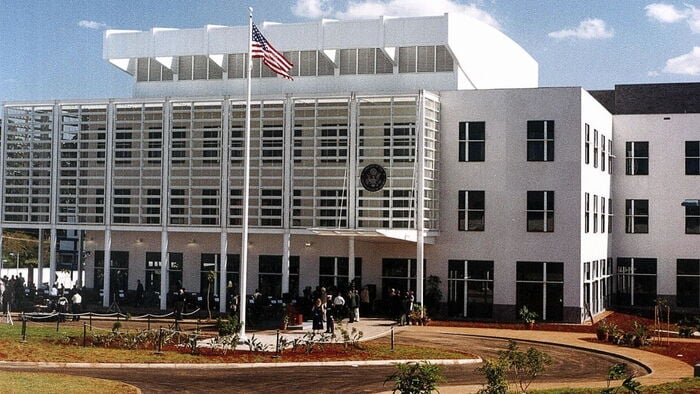
Several United States embassies across Africa have temporarily suspended routine public updates following a lapse in U.S. federal government funding, even as they reassured citizens and travellers that essential consular services will continue where operationally possible.
In notices issued through official social media platforms, the affected embassies said the suspension of regular updates is a direct consequence of the shutdown triggered after the U.S. Congress failed to pass a funding bill. The embassies, however, emphasised that urgent safety and security communications would still be shared.
“Due to the lapse in appropriations, this X account will not be updated regularly until full operations resume, with the exception of urgent safety and security information,” read a notice issued by one of the embassies.

While the U.S. Embassy in Nairobi has not formally announced a suspension of routine updates, several missions across the continent, including those in Tanzania and Zimbabwe, have confirmed the move. The selective nature of the announcements reflects differing operational capacities and staffing levels at individual missions during the funding lapse.
Despite the communication slowdown, U.S. authorities have clarified that critical services remain unaffected. Scheduled passport services, visa processing, and emergency consular assistance are expected to continue both within the United States and at overseas embassies and consulates, subject to local conditions.
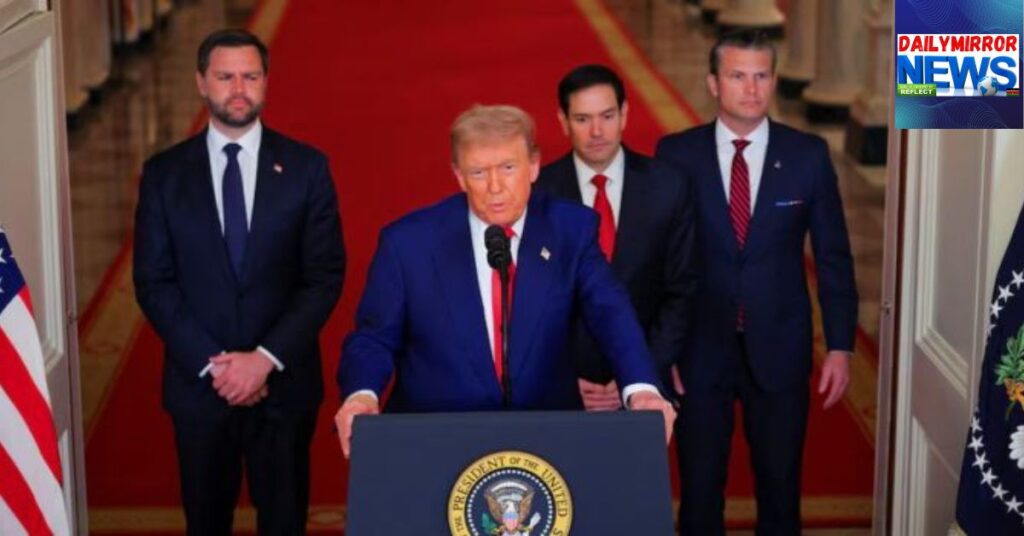
The disruption follows a breakdown in negotiations in Washington after Congress failed to agree on a comprehensive funding package. The impasse was largely driven by disagreements over immigration enforcement and funding for the Department of Homeland Security (DHS).
According to U.S. officials familiar with the talks, Senate Democrats declined to support the proposed funding bill unless it included stricter guardrails on immigration and customs enforcement. The lawmakers also cited public backlash over recent Immigration and Customs Enforcement (ICE) operations, including raids reported in Minneapolis.
Among the demands raised by senators were the introduction of a mandatory code of conduct for immigration agents, clear use-of-force guidelines, and requirements for officers to display identification and wear body cameras during enforcement operations.
Although a bipartisan compromise was reached in the Senate on Friday, January 30, to fund federal agencies through September 2026, the agreement came too late to avert the shutdown. The House of Representatives had already recessed for the weekend and was unable to reconvene in time to vote on the amended Senate bill.
As a result, the funding lapse took effect as early as Saturday, triggering partial shutdown measures across several federal departments and agencies. U.S. embassies, which rely on congressional appropriations for staffing and communications, were among the institutions affected.
Political analysts say the situation underscores how domestic political gridlock in Washington can have immediate international consequences, particularly for diplomatic missions and U.S. citizens living or travelling abroad.
For African countries hosting U.S. missions, the temporary suspension of routine embassy updates has raised concerns about access to timely information, especially for travellers, students, and businesses that depend on regular consular communication.
U.S. officials have maintained that once Congress passes a funding bill and full operations resume, embassy communications and services will return to normal. Until then, citizens are encouraged to monitor official embassy websites and remain alert for urgent safety notices.
ALSO READ: Countries on Alert as WHO Confirms Nipah Virus Outbreak in India\
U.S. Embassies in Africa Suspend Routine Updates Amid Federal Funding Lapse
