



Ruto Directs Treasury to File Proposal for PAYE Removal for Kenyans Earning Ksh30,000 & Below
The directive, announced during a government economic forum in Nairobi, comes amid mounting pressure from workers, business groups, and economic experts who have repeatedly argued that the high cost of living and rising statutory deductions are heavily burdening low-income earners.
According to the President, the proposal seeks to cushion ordinary Kenyans struggling with increased expenses on food, housing, transport, and healthcare, while also stimulating spending power among lower-income households.
“I have instructed the National Treasury to develop a framework that will see Kenyans earning Ksh30,000 and below exempted from PAYE taxation,” President Ruto stated during the address.
“We must ease the burden on hardworking Kenyans who are carrying the weight of rising living costs while trying to support their families and contribute to the economy,” he added.
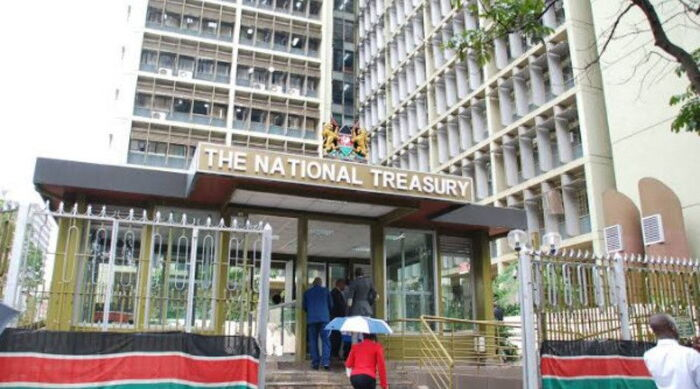
Treasury officials are now expected to conduct financial impact assessments and submit recommendations on how the proposed tax relief would affect government revenue collections.
The President’s announcement comes just days after the Law Society of Kenya (LSK), tax advisory firms, and private sector players urged Parliament to lower PAYE rates and increase the tax-free income threshold to Ksh30,000.
Currently, salaried Kenyans begin paying PAYE on monthly income exceeding the existing tax relief structure, with critics arguing that inflation and increased deductions have significantly eroded disposable income for workers.
Several stakeholders have also proposed reducing the top individual income tax rate from 35 per cent to 30 per cent, saying the current tax structure disproportionately punishes formal sector employees.
However, experts caution that the move could also create a substantial revenue gap for the government unless alternative revenue streams or spending cuts are identified.
During the same forum, President Ruto defended his administration’s economic policies, insisting that ongoing reforms are designed to stabilize the economy, create jobs, and expand opportunities for young people.
“The purpose of our reforms is not to overburden citizens but to build a stronger and more sustainable economy that works for everyone,” the President said.
The proposal is likely to receive strong support from labour unions and civil society groups, many of which have repeatedly criticized the government over increased taxation since the introduction of several new levies under previous finance bills.
The Central Organization of Trade Unions (COTU) has previously argued that the accumulation of PAYE, housing levy deductions, pension contributions, and other statutory charges has left many salaried workers with little disposable income.\
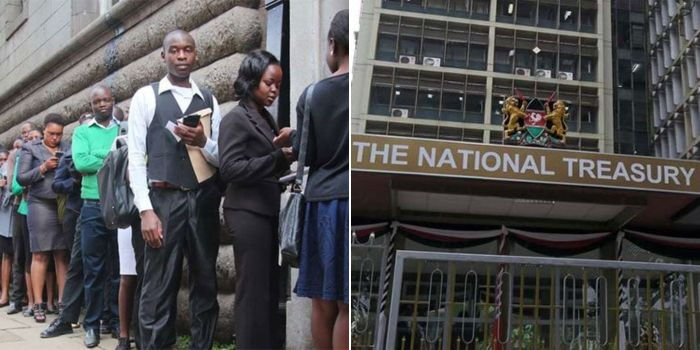
Business groups have also warned that declining purchasing power among workers is affecting consumer spending and slowing economic growth in key sectors.
Even so, some economists argue that while tax relief measures are politically popular, the government must strike a balance between easing the tax burden and maintaining adequate funding for public services and development projects.
If implemented, the proposed exemption would represent a major policy shift for Kenya’s tax system and could significantly affect millions of workers across the country.

Ruto Directs Treasury to File Proposal for PAYE Removal for Kenyans Earning Ksh30,000 & Below
