


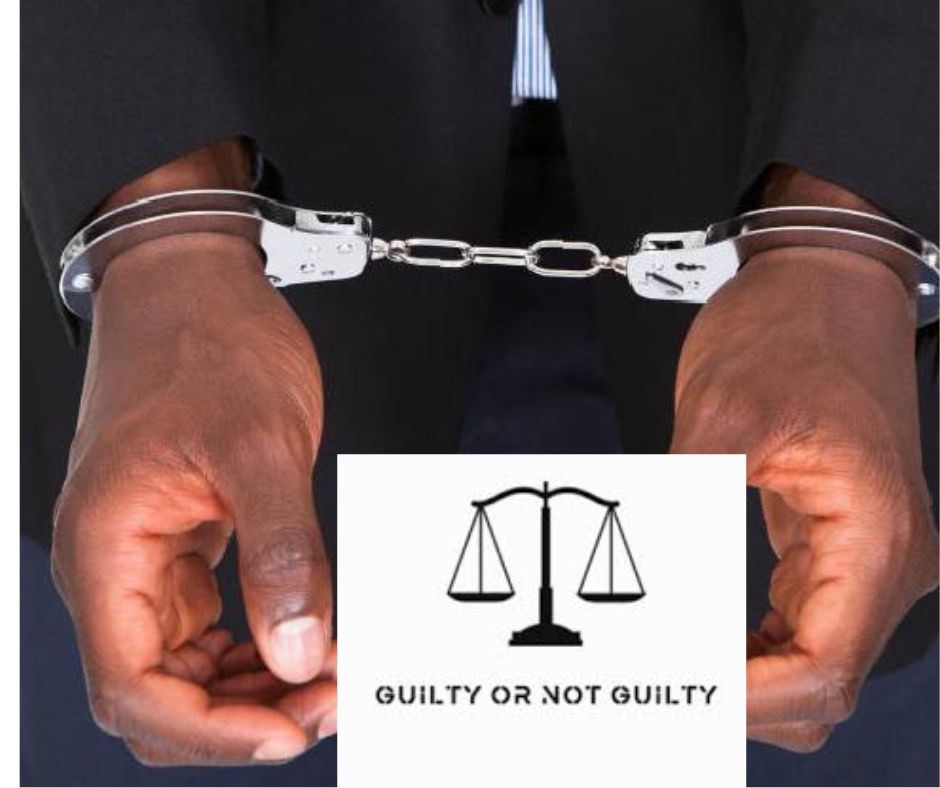
NCRC Report Reveals Struggles in Kenya’s Bail System, Calls for Awareness”
A shocking new report by the National Crime Research Centre (NCRC) exposes a significant gap in basic legal knowledge among Kenyans, especially regarding their rights to bail and bond. This deficiency extends beyond the public, affecting individuals within the criminal justice system itself, highlighting a critical need for legal education and support.
Report states
“The accused persons largely are unaware of what happens upon arrest and going forward. This may explain the myriad of challenges that accused persons face in their quest for justice.” Many who are arrested find themselves uncertain about the legal process, which often leads to a cycle of confusion, prolonged detention, and feeling mistreated.
Among those most knowledgeable about bail and bond procedures are judicial officers, lawyers, and senior police officials. However, lower-ranking officers remain largely uninformed, which poses obstacles at key stages of the justice process. In many cases, Officers Commanding Stations (OCS) merely collect bail without fully engaging in procedural decisions, reducing their role to cash collection.
The report also captures the frustrations within the police force. Many officers feel that granting bail or bond undermines their efforts against crime, and some officers question judicial decisions to release suspects on bail. One officer remarked, “The courts ignore us in deciding on bail and bond decisions… they later issue warrants of arrest… why don’t they make those arrests themselves?”
You Should know that;
Judicial officers encounter scrutiny and suspicion when they grant bail, with some police officers suspecting them of malpractice. “The judicial officers are often suspected of malpractices yet the (Bail and Bond Policy Guidelines) BBPGs are largely for application by the courts, and other judicial officers who very clearly understand them,” the report notes.
For many Kenyans, securing bond or bail remains a struggle, especially for the economically disadvantaged, who lack access to crucial bond documents like title deeds. Often, those unable to produce sureties face prolonged detention, compounding prison overcrowding.

The report emphasizes the need for greater public awareness and for accessible legal services. Inaccurate probation reports due to lack of funding and limited access to effective legal counsel are also cited as serious challenges. In conclusion, NCRC’s findings stress the importance of a fairer, more transparent system that considers the socio-economic and individual needs of all Kenyans in their pursuit of justice.
ALSO READ:Hostility in Nyeri: MP Duncan Mathenge Faces Backlash Over Gachagua Impeachment Support
NCRC Report Reveals Struggles in Kenya’s Bail System, Calls for Awareness”
