


Nairobi Water Announces Widespread Disruption After Burst on Kabete–Kilimani Transmission Line
In a public notice issued on Saturday, March 21, the Nairobi City Water and Sewerage Company confirmed that a burst on the main Kabete–Kilimani transmission pipeline had forced an emergency shutdown of water distribution to several estates.
According to the utility provider, the incident occurred in the early hours of Friday at approximately 1 a.m., triggering an urgent deployment of technical teams to assess the damage and begin repairs on the critical infrastructure.

“This is to inform you of a temporary water supply interruption in your area due to a burst pipe on the major Kabete–Kilimani transmission pipeline, which occurred last night at 1 a.m.,” the company said in its notice. “Our technical teams responded immediately, and repairs are ongoing to replace the damaged section, conduct pressure testing, and safely restore the system.”
State House Among Affected Facilities
Among the locations affected by the disruption is State House Nairobi, the official residence of the President, underscoring the scale and significance of the outage.
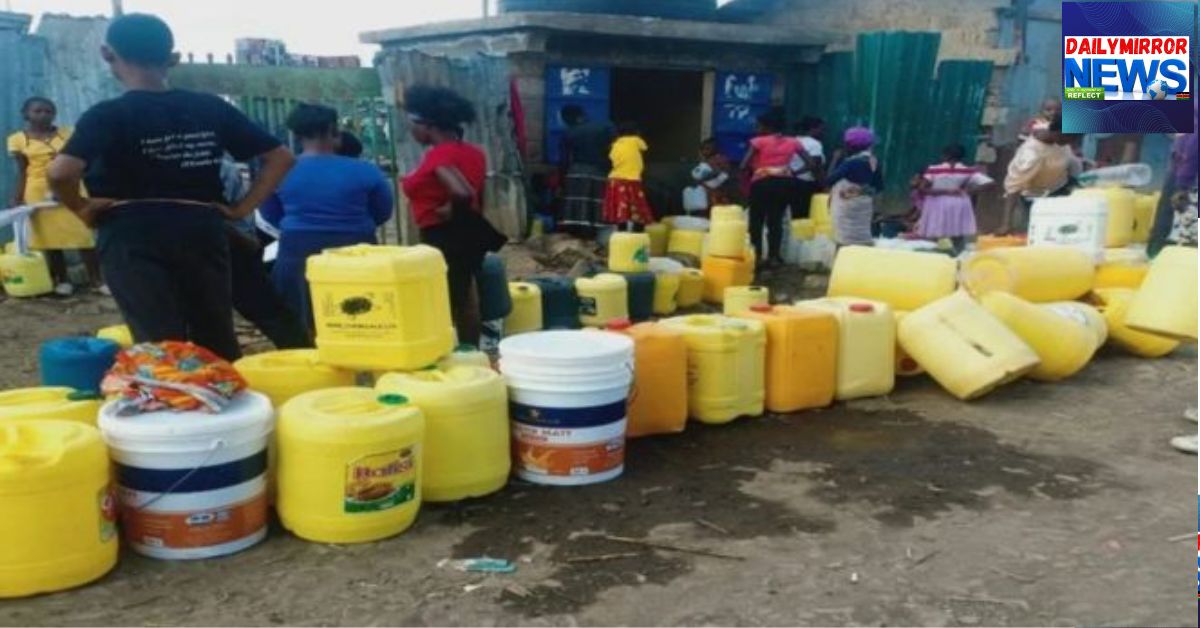
Residents in these areas reported dry taps and declining water pressure throughout Saturday, forcing households and businesses to rely on stored supplies or private vendors.
Repair Works Underway
Engineers are working to replace the damaged pipe segment and restore the integrity of the transmission line, one of the city’s major conduits for treated water.
“This timeline allows for thorough repairs on this critical transmission line while prioritising safety and infrastructure integrity,” the company emphasised.
If the works proceed without complications, normal supply is expected to resume by Sunday, March 22, at approximately 6 p.m.
Residents Urged to Conserve Water
In the interim, the water utility has urged residents to use stored water sparingly and prioritise essential needs such as drinking, cooking, and sanitation.
The disruption comes at a time when parts of Nairobi are also grappling with heavy rains and flooding, further straining urban services and infrastructure.
Urban planners note that aging pipelines, rapid population growth, and increased demand have made the city’s water system vulnerable to breakdowns.
Emergency Tanker Services Activated
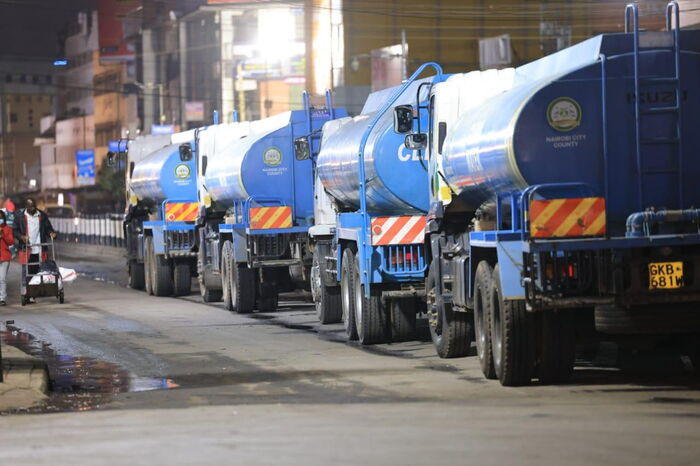
To mitigate the impact on vulnerable communities and critical institutions, the company has deployed water tanker services to deliver emergency supplies where needed.
Hospitals, schools, and densely populated residential areas are expected to receive priority during the distribution process.
Broader Infrastructure Challenges
Water experts say such incidents highlight the urgent need for long-term investment in Nairobi’s aging distribution network, much of which was built decades ago for a smaller population.
Frequent pipe bursts not only interrupt supply but also lead to water losses, road damage, and costly emergency repairs.
For many residents, the outage serves as a reminder of the fragile balance between infrastructure capacity and the demands of a rapidly expanding metropolis.
As repair crews work around the clock, city dwellers are hoping for a swift restoration of services to avoid prolonged disruptions that could affect businesses, healthcare facilities, and daily life across the capital.
ALSO READ: Laikipia University Students Block Nyahururu–Nakuru Highway in Protests Over Colleague’s Death
Nairobi Water Announces Widespread Disruption After Burst on Kabete–Kilimani Transmission Line
