


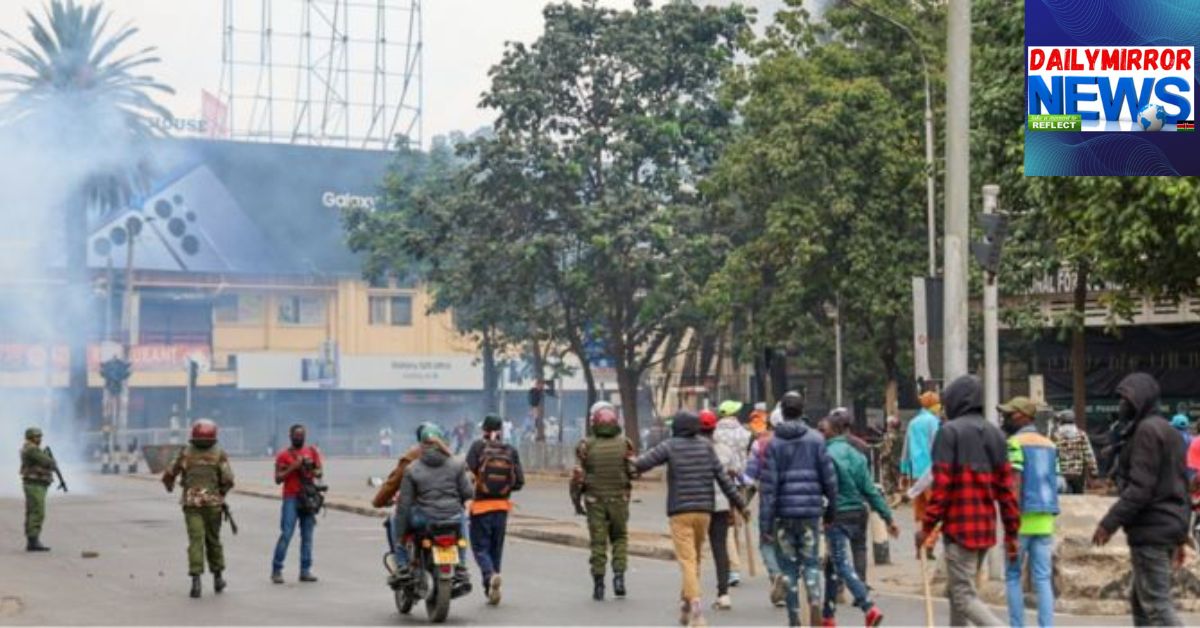
Nairobi Regional Commander Warns Against ‘Illegal’ Protests in Nairobi CBD Ahead of Planned Demonstrations
Addressing the press on Friday, April 17, Mohamud reiterated that while the Constitution guarantees the right to peaceful assembly, such demonstrations must strictly comply with legal requirements, including prior notification to security agencies.
“The right to assemble is constitutional, but it must be exercised within the law. We have not received any formal notification regarding the planned protests,” Mohamud stated.
He emphasized that notifying the police in advance is a mandatory requirement meant to facilitate coordination, ensure public safety, and prevent potential disruption within the city. The commander urged organizers to engage law enforcement early to enable adequate planning and security arrangements.
The warning comes amid growing calls for nationwide demonstrations driven by public frustration over the rising cost of living, particularly following recent fuel price hikes. Many Kenyans have expressed concern over the escalating cost of transport, food, and other essential commodities, with some describing the situation as increasingly unsustainable.
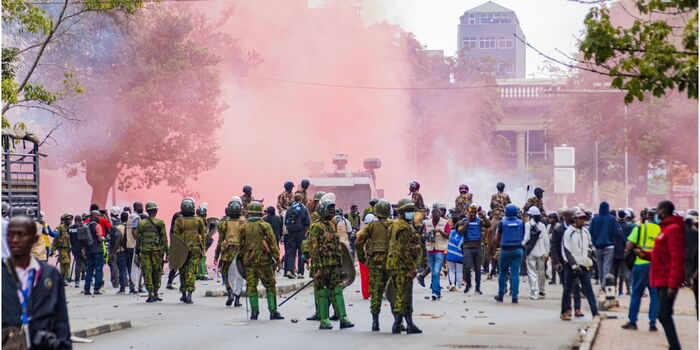
Despite the police advisory, a section of citizens has insisted that the protests will proceed as planned, arguing that the economic pressures facing households demand urgent action and public expression.
Gachagua further proposed the abolition of the National Infrastructure Fund, suggesting that proceeds from the sale of government assets should instead be redirected to cushion Kenyans from what he termed a historic surge in fuel prices.
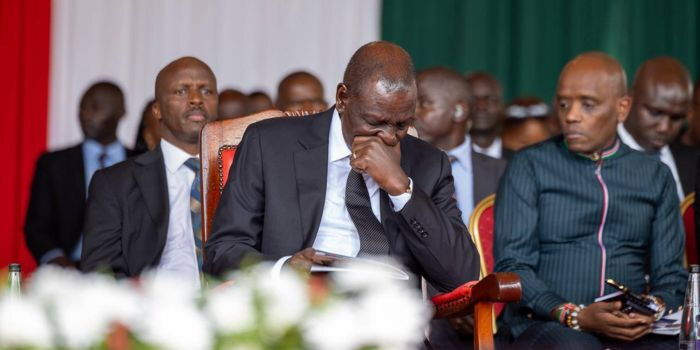
Speaking during a rally in Suneka, Kisii County, the Head of State urged Kenyans to adopt a more pragmatic approach rather than resorting to mass action.
“Some people are now claiming that since fuel prices have increased globally, they are going to hold protests. Do you think protests will make fuel prices come down? We must use our senses to manage this issue,” Ruto posed.

The remarks have sparked debate, with critics accusing the administration of downplaying public grievances and attempting to discourage dissent. Others, however, have defended the government, pointing to global economic pressures as a key driver of rising fuel prices.
Observers note that the situation reflects a broader tension between economic hardship and civil liberties, particularly the right to protest. Human rights advocates have maintained that peaceful demonstrations remain a legitimate avenue for citizens to express dissatisfaction, provided they are conducted within the law.
“We are calling for cooperation from all stakeholders to ensure that peace and security are upheld in the city,” Mohamud added.
As the date approaches, the planned demonstrations are shaping up to be a critical test of how authorities balance enforcement of public order with the constitutional right to assembly. The outcome is likely to influence not only the immediate situation in Nairobi but also the broader national discourse on governance, economic policy, and civic engagement.
ALSO READ: TSC Begins Nationwide Mass Teacher Transfers Ahead of Second Term Reopening
Nairobi Regional Commander Warns Against ‘Illegal’ Protests in Nairobi CBD Ahead of Planned Demonstrations
