


Motorists Call for Return of Fuel Subsidies, Price Caps Amid Rising Costs
Nairobi — Pressure is mounting on the government as transport sector players across Kenya call for urgent intervention to address surging fuel prices, warning that continued inaction could trigger widespread disruption and possible mass action.
In a joint statement released on Monday, stakeholders drawn from various transport associations outlined a raft of proposals aimed at cushioning operators and stabilising the sector, which they say has been severely strained by recent price increases announced by the Energy and Petroleum Regulatory Authority (EPRA).
Among the most striking demands is a proposal to cap pump prices at significantly lower levels than current rates.
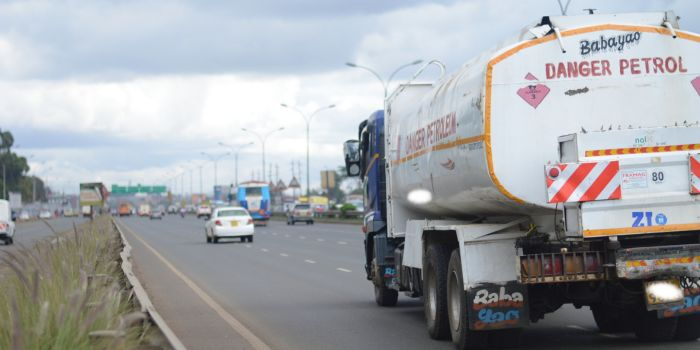
“We propose that diesel be capped at Ksh140 and petrol at Ksh150 per litre,” the group stated, warning that failure to act could prompt coordinated industrial action across the country.
Push for Subsidies and Market Reforms
The transport operators are also calling for the immediate reinstatement of fuel subsidies, arguing that government intervention is necessary to shield businesses and consumers from volatile global oil markets.
“This measure is crucial to cushion members from artificial shortages, combat fuel adulteration, and eliminate other forms of exploitation prevalent in the market,” the statement added, while proposing that the National Oil Corporation of Kenya be designated as the primary agency for government-to-government fuel import arrangements.
According to the stakeholders, centralising fuel procurement under a state entity would enhance transparency and reduce market distortions often blamed on intermediaries.
Criticism of Current Pricing Model
They argued that the earlier model relied on a predictable and “scientific” formula, which they believe ensured greater transparency and consistency compared to what they described as a politically influenced process today.
Additionally, the stakeholders are demanding inclusion in the fuel pricing process, insisting that their participation would improve accountability and ensure that decisions reflect the realities faced by industry players.
Rising Operational Costs
“The current volatile fuel pricing regime has inflicted immense losses across the transport sector, particularly impacting players who rely on early quotations for their services,” the group emphasised.
They noted that many transport businesses operate on fixed contracts or advance pricing models, making it difficult to adjust to sudden increases in operational expenses.
Demand for Predictability
To address planning challenges, the stakeholders are also proposing a minimum three-month notice period before any future fuel price increases are implemented.
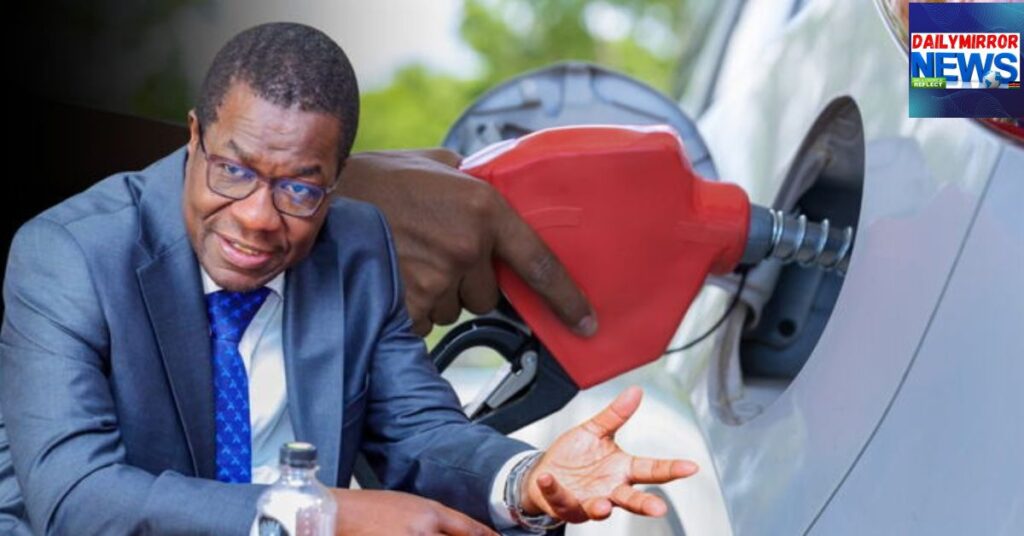
The group has formally requested an urgent meeting with Energy Cabinet Secretary Opiyo Wandayi to present their concerns and negotiate a way forward.
Growing National Concern
While the government has previously implemented tax adjustments and subsidies to stabilise prices, the latest push from transport stakeholders signals increasing pressure for more structural and predictable interventions
As discussions loom, the government faces a delicate balancing act between maintaining fiscal discipline and responding to mounting calls for relief from a sector critical to the country’s economic stability.
ALSO READ: Kenya Railways Flags Over 251 Fake Jobs Circulating Online
Motorists Call for Return of Fuel Subsidies, Price Caps Amid Rising Costs
