



Inside Kenya’s Long-Term Plan to Build Fuel Reserves and End Shortage Fears
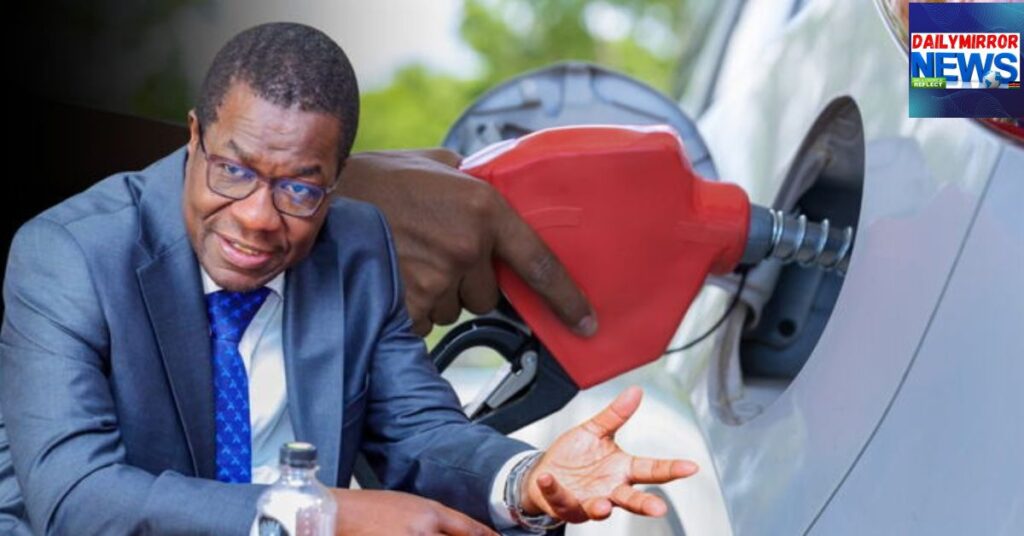
Energy and Petroleum Cabinet Secretary Opiyo Wandayi revealed that the government is working on a long-term strategy to partner with private investors in building fuel storage infrastructure capable of sustaining the country for extended periods.
The announcement comes at a time when Kenya is grappling with supply uncertainties linked to geopolitical tensions in the Middle East, which have disrupted global oil supply chains and raised concerns over possible shortages and price hikes.

“We are yet to establish fuel reserves. We are working closely with private players who want to partner with the government on storage, but as of now, the country relies on fuel as it comes,” Wandayi stated.
Currently, Kenya operates on a just-in-time fuel supply system, where imported petroleum products are consumed almost immediately upon arrival. According to the Kenya Pipeline Company, existing infrastructure can only sustain the country for a limited period, typically between 14 and 21 days, depending on demand and supply flow.
This limited capacity has exposed the country to frequent supply shocks, particularly when disruptions occur along the import chain. Recent developments have highlighted this vulnerability, with fears of shortages emerging whenever shipments are delayed or global prices surge.
Officials say that under the current system, a single shipment—often around 60,000 metric tonnes—can only sustain the market for roughly two weeks before another consignment is required. Any delay in subsequent deliveries risks creating supply gaps that ripple across the economy.
The proposed reserve system aims to change this dynamic by ensuring that the country maintains a strategic buffer stock, allowing it to absorb external shocks without immediate impact on fuel availability or pricing.
“If implemented, Kenya will become among the countries in Africa where disruptions in fuel distribution will not have an immediate impact on the economy,” a senior official involved in the planning process noted.

Under this model, private investors will finance, construct, and operate fuel storage facilities, while the government retains a portion of the capacity for strategic national reserves. The approach is expected to reduce the financial burden on the state while accelerating the development of critical infrastructure.
“Rather than building and managing reserves alone, the government is seeking to leverage private investment in storage facilities, with part of the capacity dedicated to strategic national reserves,” Wandayi explained.
The initiative comes against the backdrop of recent controversy in the energy sector, including the importation of substandard fuel that triggered investigations and heightened scrutiny of procurement processes. The incident underscored the need for stronger systems not only in quality control but also in supply management.
Analysts argue that establishing fuel reserves could enhance market confidence, reduce panic buying, and provide policymakers with greater flexibility in managing price fluctuations.
In addition to improving energy security, the reserves are expected to support long-term economic planning by stabilising fuel supply for key sectors such as transport, manufacturing, and agriculture.
However, experts caution that the success of the plan will depend on effective regulation, transparency in partnerships, and proper integration with existing infrastructure.
As Kenya moves to implement the strategy, the proposed reserves could mark a turning point in the country’s energy sector, offering a more resilient system capable of withstanding global disruptions while safeguarding local economic stability.
ALSO READ: Wandayi Dismisses Resignation Calls Over Substandard Fuel Saga
Inside Kenya’s Long-Term Plan to Build Fuel Reserves and End Shortage Fears
