


Fuel Dealers Warn Petrol Could Hit Ksh231.68 From Next Week
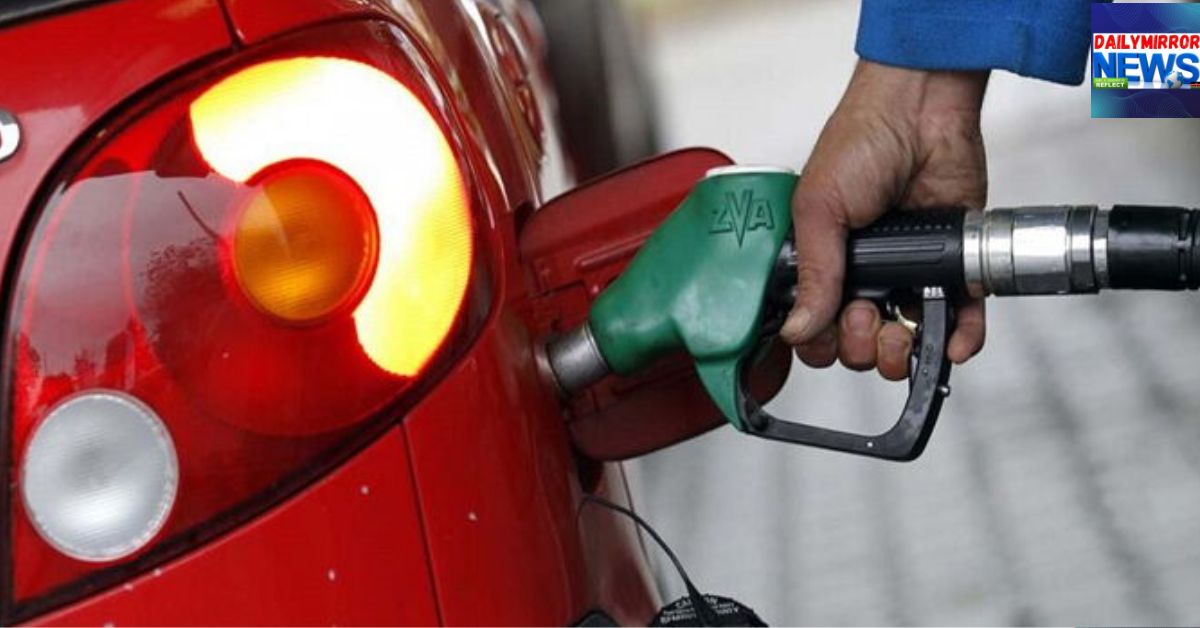
Kenyans could soon face a sharp increase in fuel prices, with petrol projected to rise to as high as Ksh231.68 per litre in the next pricing cycle, according to industry players warning of mounting global and local pressures on supply.
Speaking during an interview on April 7, Martin Chomba, Chair of the Petroleum Outlets Association of Kenya (POAK), said the anticipated increase could range between Ksh30 and Ksh60 per litre.

“Without lying to Kenyans, fuel prices must go up. If the prices don’t go up, then it will be difficult to find the fuel,” Chomba stated.
According to him, the projections are based on a weighted average of fuel shipments that arrived at the Port of Mombasa between March 9 and April 10. He explained that the current relative stability in pump prices is temporary, as most of the fuel currently in circulation was imported before recent global price surges.
If implemented, such an increase could push petrol prices up by approximately Ksh53.4 per litre, placing additional pressure on consumers already grappling with a high cost of living.
“We do not have reserves. Today, we would have a big crisis if no ship docked at the Port of Mombasa,” he said, adding that existing stock in the pipeline can only sustain the country for between 21 and 30 days.
“We do not, at the moment, consider increasing the prices in the next review… we already have a consignment in advance,” Mwaura said, urging Kenyans to wait until the end of April for a clearer assessment.
He added that the country typically imports up to eight shiploads of fuel monthly and maintains mechanisms to stabilise supply, insisting there is no immediate cause for alarm.

P
Industry stakeholders attribute part of the delay to logistical and administrative processes within the supply chain. Once shipments arrive at the Port of Mombasa, fuel is stored in facilities managed by entities such as the Kenya Pipeline Company, but remains under the ownership of importing firms until duties and taxes are cleared by the Kenya Revenue Authority.
These clearance procedures can take several days, slowing down the release of fuel to the market.
Although the government could intervene using mechanisms such as the Petroleum Development Levy to cushion consumers, Chomba emphasised that global market forces and private sector dynamics will ultimately dictate pump prices.

As the next EPRA review approaches, attention will remain focused on how regulators balance rising global costs with the need to protect consumers from steep price increases.
ALSO READ: Francis Atwoli Hilariously Responds to Uhuru Kenyatta after Criticising Ruto
Fuel Dealers Warn Petrol Could Hit Ksh231.68 From Next Week
