



Motorists Association Demands G-to-G Fuel Audit After Museveni’s Middlemen Claims
In a statement issued on Saturday, September 19, MAK said Museveni’s remarks had raised fresh questions about how petroleum products are procured, priced and distributed in Kenya. The association wants authorities to establish the role of intermediaries, the commissions paid and the companies that have benefited from the arrangement.
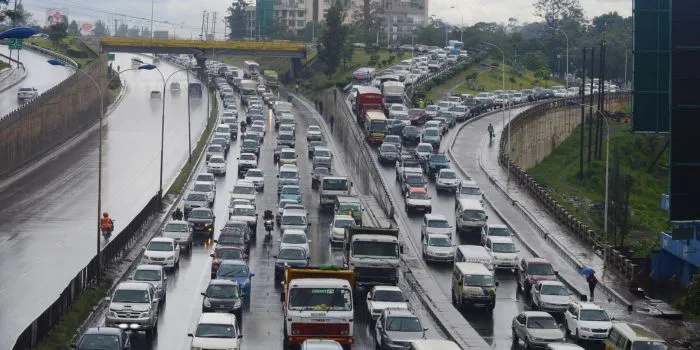
MAK has specifically called for an independent review covering fuel import contracts, pricing formulas, commissions, landed costs and the beneficiaries involved in the G-to-G procurement system.
“MAK therefore demands: First, a full forensic audit of the G-to-G petroleum procurement system, including all intermediaries, commissions, contracts, pricing formulas and beneficiaries.”
The demands follow remarks by Museveni on Thursday, September 17, when he said a Kenyan senator had alerted him that Uganda was purchasing petroleum products through middlemen in Kenya.
Museveni said the information prompted his government to reconsider its fuel procurement model and move towards direct sourcing. Uganda has since worked with the Uganda National Oil Company (UNOC) and global energy trader Vitol as part of its revised procurement approach.
“The Republic of Uganda was buying petroleum products through middlemen in Kenya. The person who woke me up first was a senator from Kenya.”
MAK questioned how intermediaries could feature in a system described as government-to-government procurement and called for documentation showing how the supply chain operates.
“The question Kenyans must now ask is simple: If governments were supposedly buying directly from governments, why were middlemen sitting between governments and the petroleum suppliers? Who benefited from this arrangement, and at whose expense?”
The association also wants an independent review of the Energy and Petroleum Regulatory Authority (EPRA) pricing framework.
The debate comes as fuel prices remain a major concern for motorists, transport operators and businesses because petroleum costs affect transportation and the prices of goods and services.
MAK said any investigation that establishes fraud, abuse of office, unlawful enrichment or other criminal conduct should result in appropriate legal action, including recovery of public funds where applicable.
The call for an audit now places renewed attention on the government-to-government fuel import framework, its procurement structures and the costs ultimately passed on to Kenyan consumers.

ALSO READ: Millicent Omanga Disowns Viral Gazette Notice Naming Her to Govt Board
Motorists Association Demands G-to-G Fuel Audit After Museveni’s Middlemen Claims
