


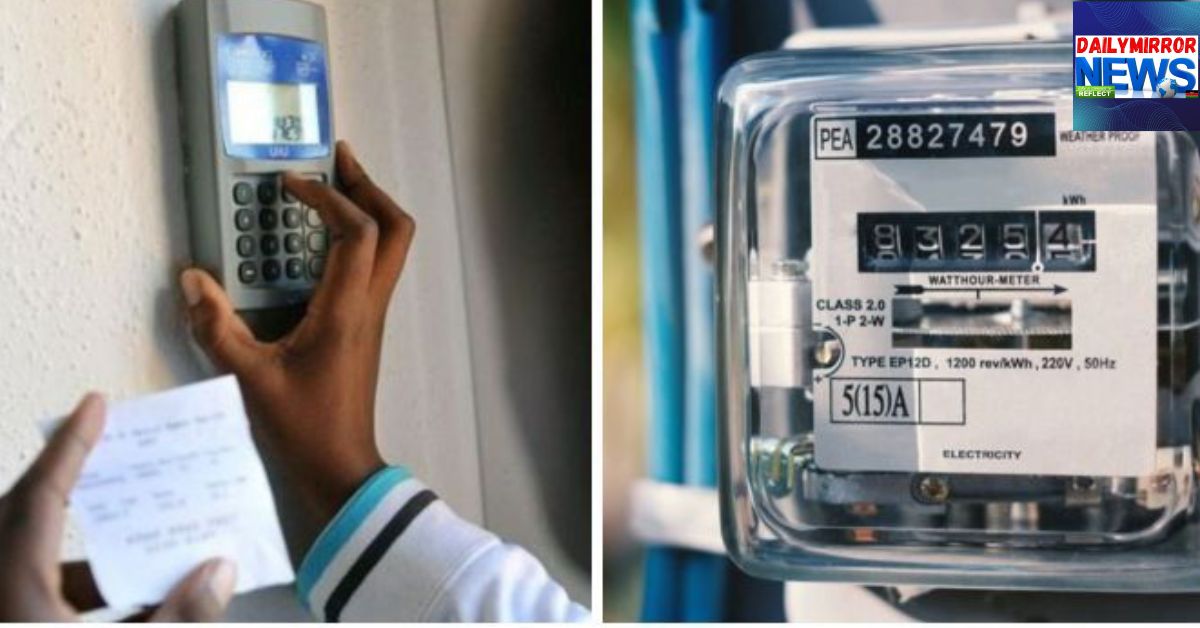
Ministry Withdraws Proposed Electricity Tariff Hike, Offering Relief to Kenyan Consumers
The decision, announced on Wednesday, June 3, by Energy and Petroleum Cabinet Secretary Opiyo Wandayi, effectively halts a review application that had been submitted by the Kenya Power and Lighting Company (KPLC) earlier this year and was expected to trigger widespread changes in electricity pricing from July 2026.
The move comes amid growing concerns from consumers, manufacturers and business groups who had warned that higher electricity costs would increase the cost of living and raise the cost of doing business at a time when many Kenyans are already grappling with economic pressures.
Announcing the decision, Wandayi said the government had reached the conclusion after extensive consultations with key stakeholders within the energy sector.

“Following consultations within government and key stakeholders in the sector, the retail electricity tariff review application submitted in March this year by KPLC has been withdrawn,” Wandayi stated.
The Cabinet Secretary explained that the government had carefully weighed the potential impact of the proposed review against the need to maintain affordability and economic stability.
“The decision reflects the need to address a sustainable energy sector while protecting households, businesses, and industries from possible cost escalation,” he added.
The withdrawn proposal had sparked intense public debate after details emerged showing that millions of consumers could have faced higher electricity bills under a revised tariff structure.
KPLC had formally submitted the tariff review application on March 31, 2026, seeking approval for a new pricing framework that would have been implemented between July 1, 2026, and June 2029.
One of the most controversial elements of the proposal involved changes to the subsidised lifeline tariff category, which is designed to protect low-income consumers from high electricity costs.
Under the proposal, the threshold for consumers benefiting from subsidised rates would have been reduced dramatically from 100 kilowatt-hours (kWh) per month to only 30 kWh per month.
The proposal indicated that consumers using up to 30 kWh monthly would pay a subsidised rate of Ksh14 per kWh, while those exceeding the threshold would be charged Ksh21.68 per kWh under the standard domestic tariff.

Industry players and consumer groups had expressed fears that the changes would disproportionately affect ordinary households and small businesses that rely heavily on electricity for daily operations.
The review process had already advanced to the public participation stage after the Energy and Petroleum Regulatory Authority (EPRA) announced plans to collect views from members of the public and stakeholders before making a determination.
However, the government’s latest intervention has now stopped the process before any changes could take effect.
Wandayi emphasized that any future review of electricity tariffs must strictly follow the legal framework established under the Energy Act.
“Any adjustment to electricity tariffs must undergo the prescribed legal processes, including evaluation and public participation before approval,” he said.
The Cabinet Secretary further reassured consumers that electricity supply and services would not be affected by the withdrawal of the application.
“The current tariff shall remain in force and unchanged unless lawfully reviewed in accordance with the Energy Act and prescribed procedures,” Wandayi affirmed.
While the government has signaled its commitment to maintaining a financially sustainable energy sector, the withdrawal underscores the balancing act between supporting utility providers and protecting consumers from additional financial burdens.
ALSO READ: KALRO, KEBS Warn of Dangerous Aflatoxin Levels in Cereals Sold in Kenyan Markets
Ministry Withdraws Proposed Electricity Tariff Hike, Offering Relief to Kenyan Consumers
