


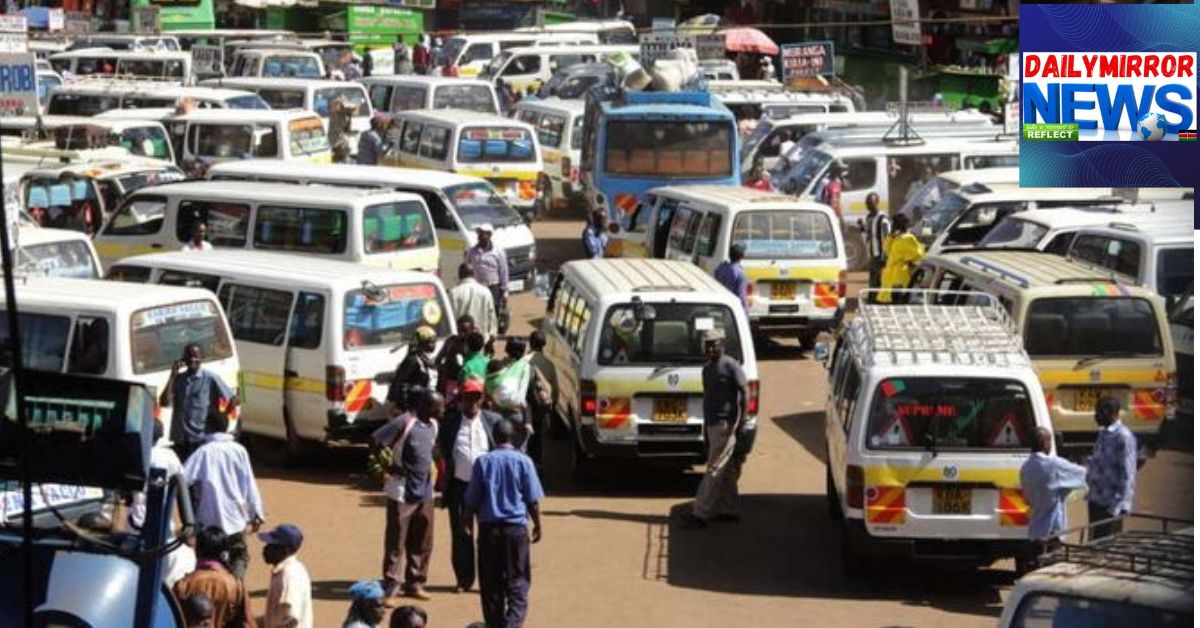
Matatu Operators Vow to Continue Weekly Monday Strikes, Demand Direct Talks With President Ruto
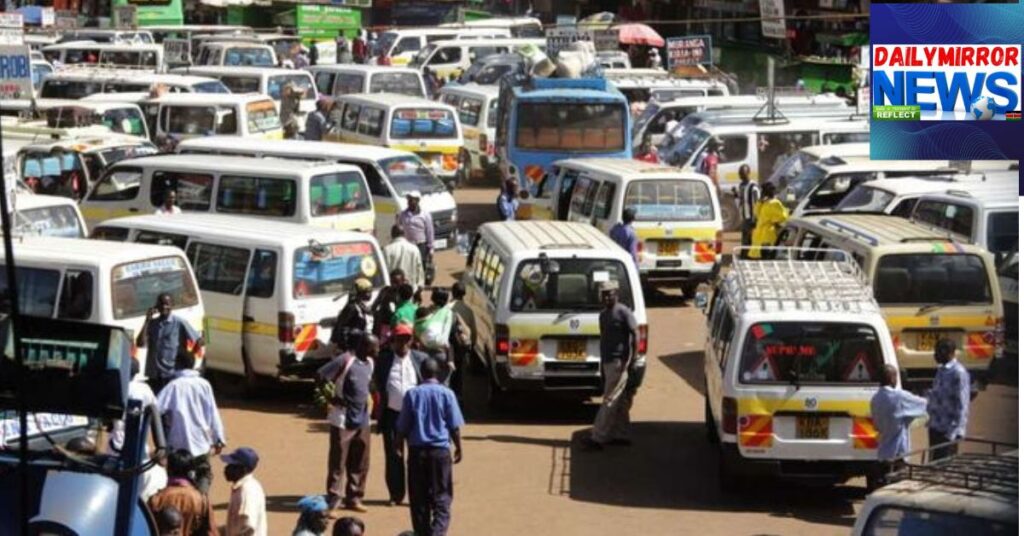
Matatu operators have announced plans to resume nationwide protests every Monday beginning February 9, escalating pressure on the government to address what they describe as rising lawlessness and insecurity caused by boda boda operators across the country.
The Matatu Owners Association (MOA) said the weekly strikes will continue indefinitely until President William Ruto personally engages them in dialogue to resolve their grievances, which include attacks on public service vehicles (PSVs), destruction of property, and alleged selective enforcement of the law.
Speaking during a press briefing on Monday, MOA President Albert Karagacha said matatu operators had reached a breaking point after repeated incidents in which vehicles were vandalised or torched following road disputes, often without sufficient police intervention.
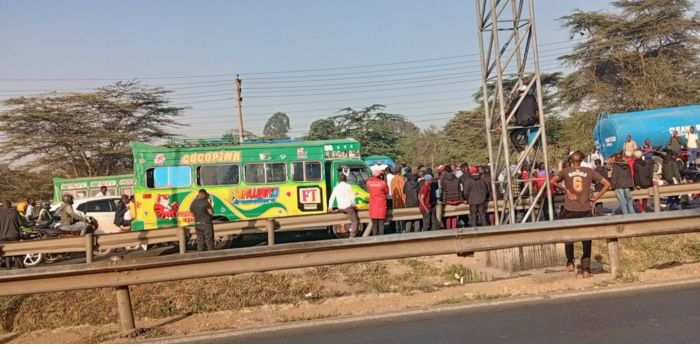
“We will be back in the streets on Monday, and we want to tell our passengers that we are very sorry,” Karagacha said. “But we are fighting for your rights as well, because when a vehicle is burnt with passengers inside, everyone could perish.”
“We want to talk to the president himself. If there are no negotiations, the strike will happen every Monday,” he added.
According to the operators, engagement with President Ruto is critical to crafting effective security strategies to protect public transport workers, passengers, and private property, while restoring order on Kenyan roads.
The announcement follows a nationwide strike staged on January 28, during which matatu operators temporarily withdrew services to protest what they termed government inaction on escalating hostility against PSVs. The strike disrupted transport services in several towns and highlighted deep divisions within the public transport sector.
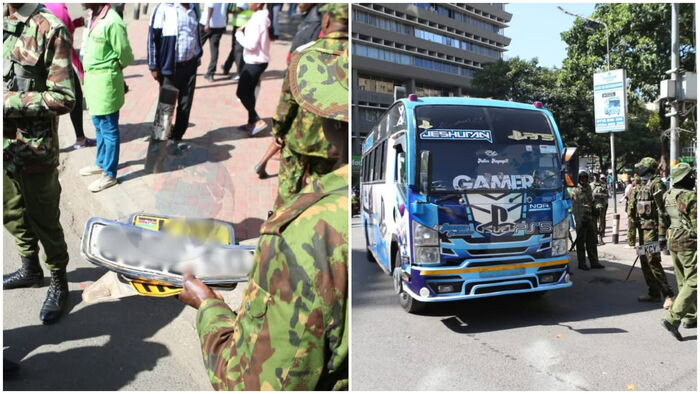
Some PSV owners also accused the police of unfair treatment during the protests, claiming that law enforcement officers targeted matatu drivers and vehicles while failing to arrest those responsible for burning PSVs.
“The police detained our vehicles and drivers, yet no action has been taken against the people who burnt our matatus,” one operator said. “Today we are counting 70 per cent success, and this is just the beginning.”
The protests on Monday descended into chaos in parts of Nairobi after matatus were used to block major roads, including Thika Superhighway and Waiyaki Way, causing widespread traffic disruptions and delays for commuters. Police officers were deployed to disperse demonstrators, with authorities towing vehicles and removing number plates of matatus accused of obstructing traffic within the Central Business District.
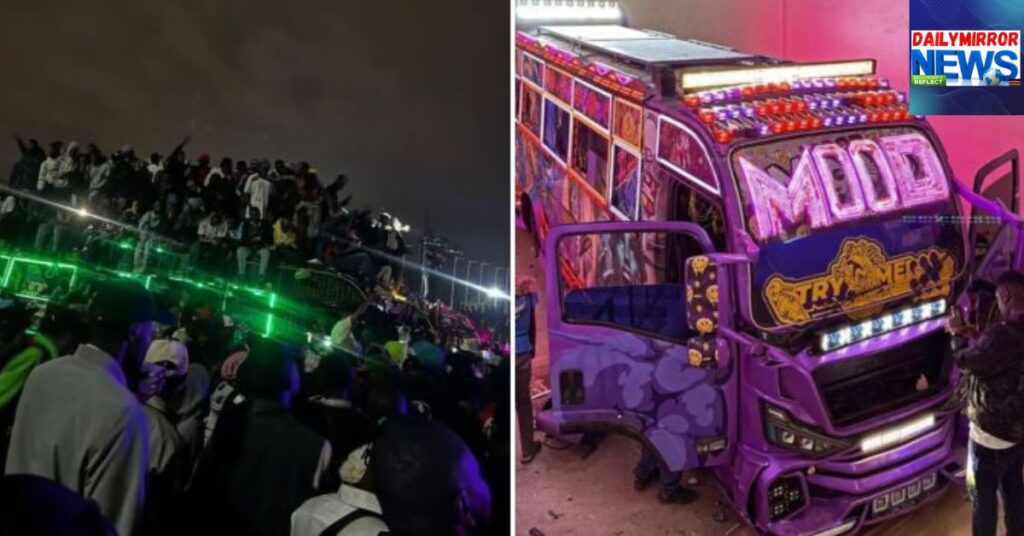
The Motorists Association of Kenya (MAK) had earlier announced that transport workers, truck drivers, private motorists, and bus operators would join the matatu strike in solidarity. However, this position appeared to conflict with a separate statement from the Federation of Public Transport Sector (FPTS), which later said it had suspended participation in the strike to allow room for dialogue with government stakeholders.
In a statement, MAK highlighted the severity of recent attacks on vehicles, noting that at least nine vehicles — including matatus, buses, trucks, and private cars — had been torched in areas such as Juja, Luanda in Vihiga County, and along the Thika Superhighway.
“These acts represent millions of shillings in losses, destroy years of hard work in minutes, and place innocent passengers, drivers, and bystanders in mortal danger,” the association said.
As the standoff continues, commuters face uncertainty over transport availability in the coming weeks, while pressure mounts on the government to intervene and avert prolonged disruption to public transport services.
ALSO READ: CBK Warns Against Using Kenya Shilling Notes for Decorative Bouquets
Matatu Operators Vow to Continue Weekly Monday Strikes, Demand Direct Talks With President Ruto
