


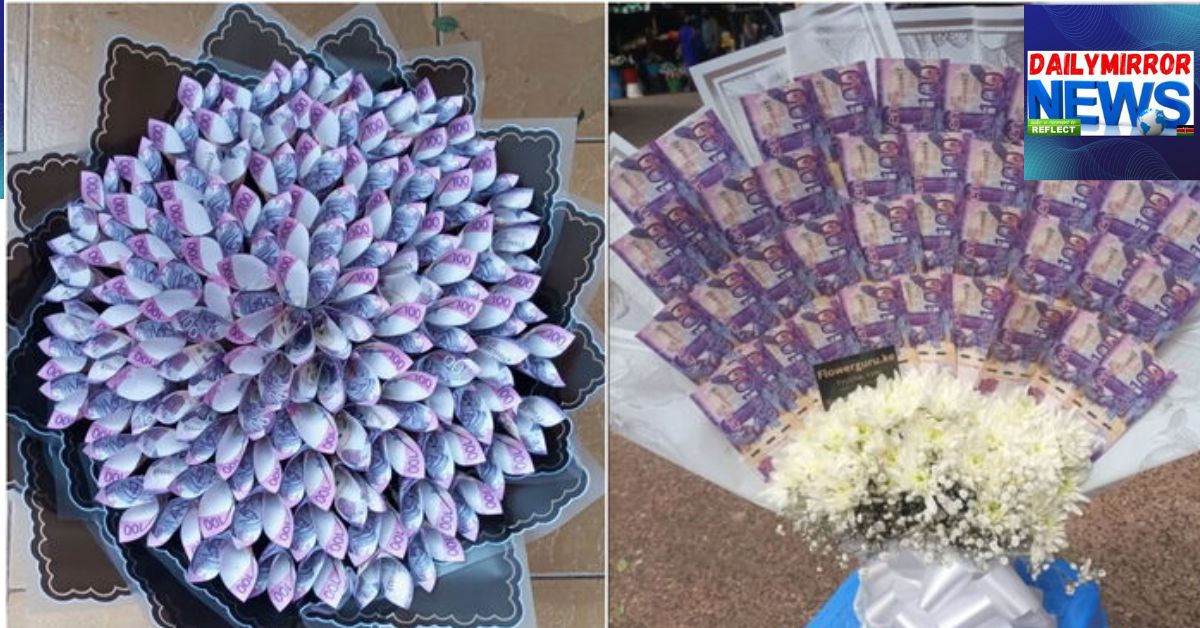
CBK Warns Against Using Kenya Shilling Notes for Decorative Bouquets
The Central Bank of Kenya (CBK) has issued a caution to the public over the rising trend of using Kenya Shilling banknotes for decorative and celebratory purposes, warning that such practices could attract legal consequences under existing laws.
In a statement released on Monday, February 2, 2026, the monetary authority expressed concern over the growing popularity of cash bouquets and ornamental displays made from banknotes, a practice that has gained traction on social media and during festive occasions.
“The Central Bank of Kenya (CBK) has noted a growing trend in the use of Kenya Shilling banknotes for decorative and celebratory purposes, including the preparation of cash flower bouquets, ornamental displays, and similar arrangements,” the bank said.
According to CBK, the process of folding, rolling, stapling, pinning, or gluing banknotes significantly damages the currency and compromises its usability. The bank warned that such alterations interfere with cash-handling infrastructure, including automated teller machines (ATMs), cash-counting equipment, and sorting devices used by financial institutions.
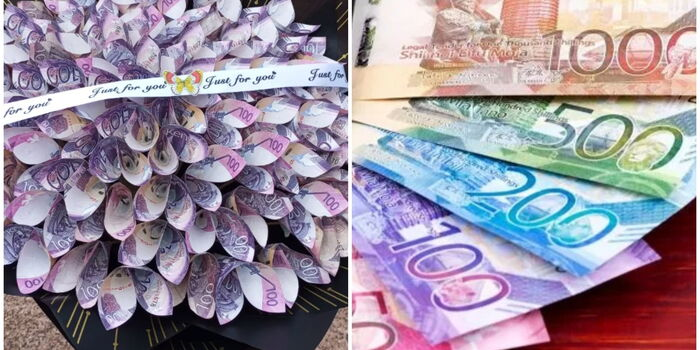
CBK explained that damaged notes are more likely to be rejected during processing, leading to premature withdrawal from circulation and replacement at considerable cost to both the public and the banking system.
“These actions damage banknotes and interfere with cash-handling equipment, resulting in higher rejection rates and unnecessary replacement of currency, which imposes avoidable costs,” the statement noted.
While acknowledging that cash gifts remain a common and acceptable practice, the central bank stressed that such gifts must not involve defacing or altering banknotes. CBK underscored that currency must remain fit for circulation to effectively serve its intended economic functions.
“While CBK does not object to the use of cash as a gift, such use should not involve any action that alters, damages, or defaces banknotes,” the statement read. “Currency should remain in a condition that allows it to circulate freely and perform its intended functions as a medium of exchange, unit of account, and store of value.”
The regulator further reminded Kenyans that defacing or mutilating currency is a criminal offence. Section 367 of the Penal Code (Cap. 63, Laws of Kenya) expressly prohibits the willful defacement, mutilation, or impairment of currency notes issued by a lawful authority.
Under the law, individuals found guilty of damaging banknotes may face prosecution, a warning CBK said should prompt the public to rethink the increasingly elaborate cash-based displays.
The advisory comes at a time when Kenya is approaching Valentine’s Day, traditionally marked by heightened displays of affection and gift-giving. In recent years, romantic gestures have evolved beyond flowers and chocolates, with cash bouquets emerging as a popular, and often viral, alternative.
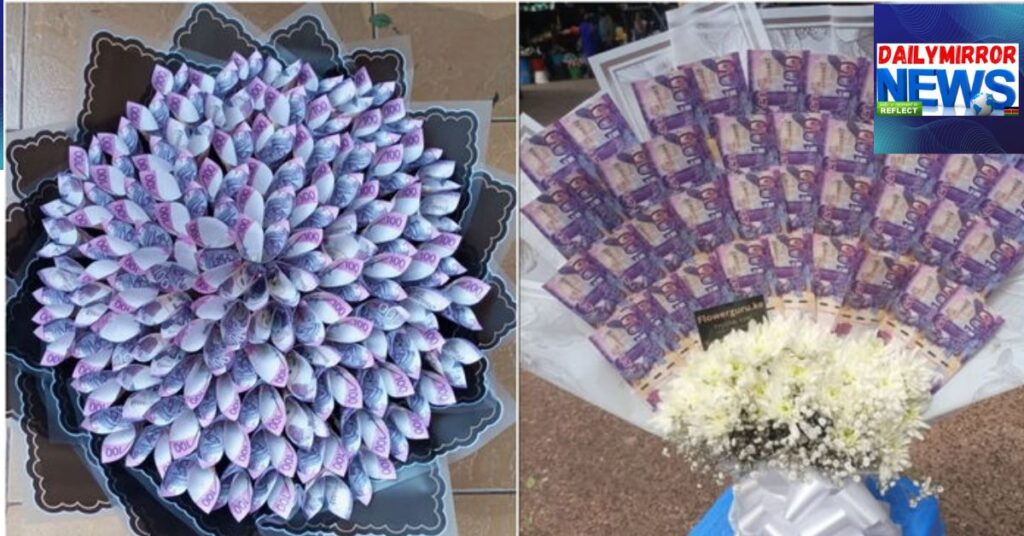
“The public is urged to refrain from practices that compromise the quality and longevity of Kenya Shilling notes,” the bank said, adding that responsible handling of currency is a shared civic duty.
The warning highlights a broader effort by the central bank to protect the quality of Kenya’s currency in circulation, ensure efficiency within the financial system, and uphold the law, even as social trends continue to reshape traditional forms of celebration.
ALSO READ: Oburu Odinga Denies Eyeing Deputy President Position in 2027 Talks With UDA
CBK Warns Against Using Kenya Shilling Notes for Decorative Bouquets
