


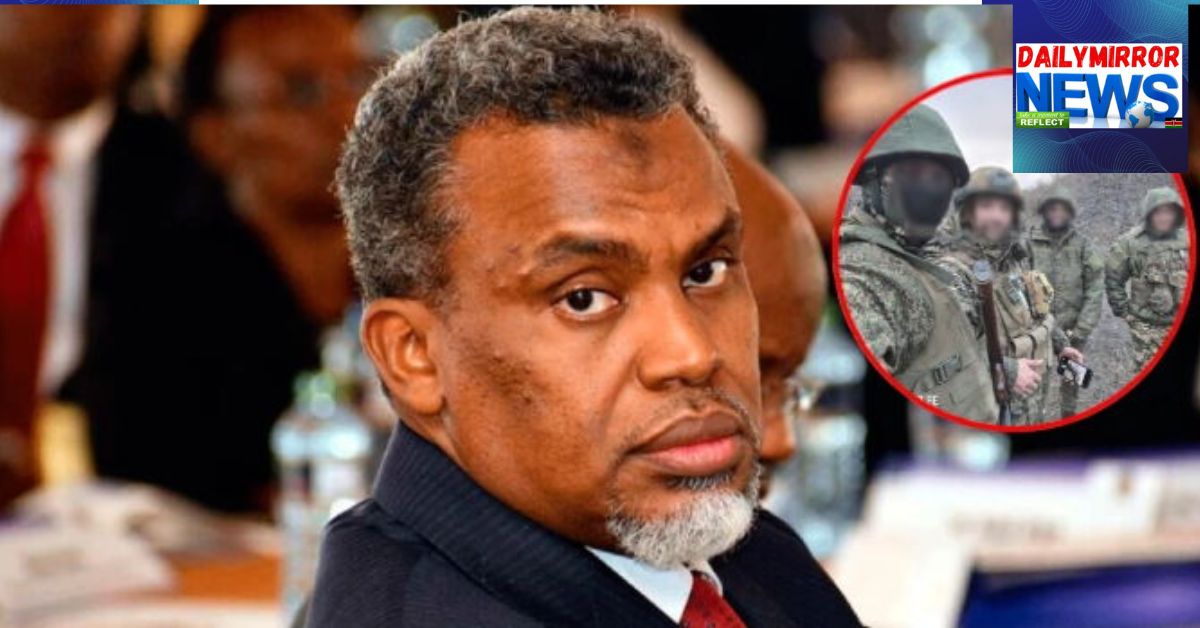
Kimani Ichung’wah Lists Kenyan Agencies Involved in Russian-Ukraine Recruitment
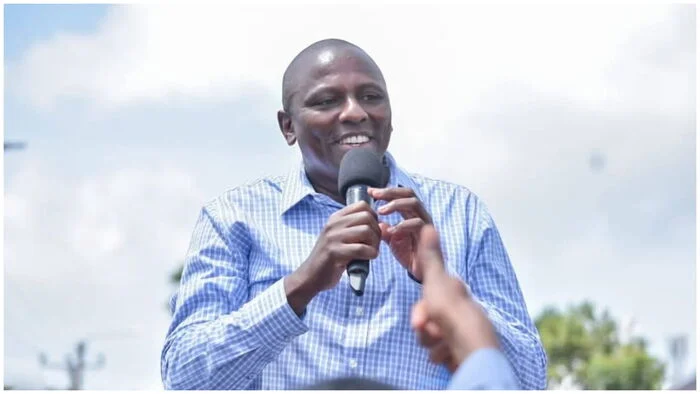
National Assembly Majority Leader Kimani Ichung’wah has outlined the Kenyan government agencies involved in addressing the recruitment of Kenyan nationals into the ongoing Russia-Ukraine conflict, revealing alarming figures on casualties, detentions, and those still deployed on the front line.
Speaking amid growing public concern, Ichung’wah disclosed that as of February 2026, dozens of Kenyans remain entangled in the conflict under varying circumstances.
“As of February 2026, 39 Kenyans are hospitalised, 30 have been repatriated, 28 are missing in action, 35 are stationed in camps, 89 are on the front line, one is detained, and one has completed his contract,” Ichung’wah stated.
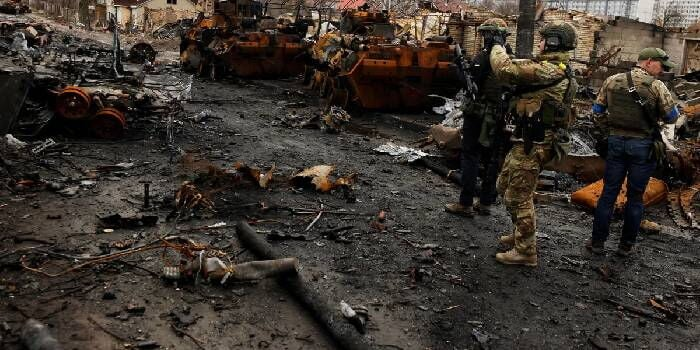
Separate tallies presented to Parliament indicate that at least 10 Kenyans have been confirmed dead, with the figure potentially rising to 18 as verification efforts continue. Additionally, four Kenyans are reported to be prisoners of war in Ukrainian custody, while approximately 27 others remain unaccounted for.
Agencies on alert
Ichung’wah noted that multiple state agencies are actively involved in monitoring, investigating, and responding to the recruitment networks facilitating the movement of Kenyans to Eastern Europe.
Among the agencies playing a role are the Ministry of Foreign and Diaspora Affairs, the Directorate of Criminal Investigations (DCI), and the National Intelligence Service (NIS), working alongside immigration and labour authorities.
“Our security and diplomatic agencies are coordinating efforts to trace recruitment networks, support affected families, and engage international partners where necessary,” he said.
The Majority Leader explained that some recruits did not depart directly from Kenya. Instead, several were already working abroad in countries such as Qatar, Saudi Arabia, Afghanistan, Dubai, Jordan, and parts of Asia before relocating to Russia.
P
This pattern, he said, has complicated tracking and verification processes.
“Many of these young men were already outside the country pursuing employment opportunities. The transition from labour migration to military recruitment often happened beyond our immediate jurisdiction,” Ichung’wah noted.
Diplomatic and security concerns
Security agencies have raised concerns that the recruitment trend could expose Kenya to diplomatic strain, particularly given the country’s neutral stance on the Russia-Ukraine war. Officials also warn of the growing risk of human trafficking networks exploiting vulnerable youth with promises of lucrative overseas contracts.
“We are treating this matter with the seriousness it deserves. Intelligence sharing is ongoing to dismantle any networks preying on desperate young Kenyans seeking better livelihoods,” a senior security official said.
The disclosures come against the backdrop of rising unemployment and economic pressures that have pushed many young Kenyans to seek work abroad. Experts say such conditions can make individuals susceptible to deceptive recruitment schemes.
Parliament has called for enhanced public awareness campaigns to caution job seekers against unverifiable foreign contracts and to encourage the use of licensed recruitment agencies.
Families seek answers
For families of those missing or confirmed dead, the statistics represent painful realities. Lawmakers have urged the government to prioritise repatriation efforts and psychosocial support for affected households.
“Our first responsibility is to account for every Kenyan citizen and to ensure that families receive accurate information and appropriate assistance,” Ichung’wah affirmed.
As investigations continue, the government maintains that it will intensify border monitoring, diplomatic engagement, and intelligence collaboration to curb further recruitment and safeguard Kenyan nationals abroad.
ALSO READ: CS Ruku Dismisses Claims of Plan to Reduce Civil Servants’ Salaries After SRC Pay Rise
Kimani Ichung’wah Lists Kenyan Agencies Involved in Russian-Ukraine Recruitment
