


High Court Dismisses Compensation Petition by 1998 U.S. Embassy Bombing Victims
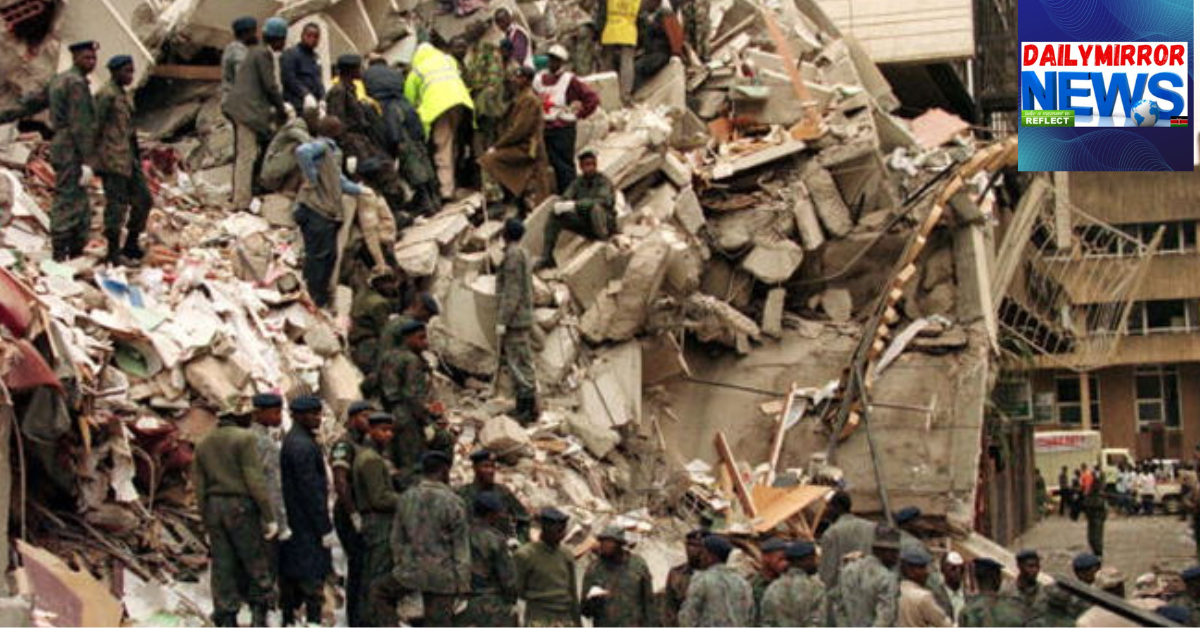
Victims and families affected by the August 7, 1998 U.S. Embassy bombing in Nairobi have suffered a major legal setback after the High Court dismissed a petition seeking compensation from the Kenyan government, nearly three decades after the deadly terror attack.
In a ruling delivered on Wednesday, January 28, the High Court found that the consolidated petitions lacked a sufficient legal and evidentiary basis to warrant compensation. Justice Lawrence Mugambi ruled that the petitioners failed to prove that the State had prior knowledge of the planned attack or actionable intelligence that could have enabled authorities to prevent the bombing.
The judge rejected claims that intelligence warnings were ignored by state agencies, stating that no credible evidence had been presented to support the allegation. “Based on the material placed before this court, there is no proof that the government had advance information of the attack or failed to act on such information,” Justice Mugambi ruled.
The petitioners had relied heavily on various intelligence and investigative reports to support their case. However, the court found that the documents were not supported by testimony from their authors, rendering them unreliable. Justice Mugambi noted that without direct evidence or expert witnesses to authenticate the reports, they amounted to hearsay.
“The reports relied upon by the petitioners were not subjected to examination in court. Their authors were not called as witnesses, and therefore the documents carry no probative value,” the judge observed.
In dismissing the case, the court further held that there was no evidence showing that the United States government had faulted Kenya for failing to prevent the attack. According to the judge, any indication of blame or liability from U.S. authorities could have strengthened the petitioners’ claim.
“Had there been evidence that the United States government blamed the Kenyan government for failing to prevent the bombing, the petitioners’ case would have been considerably stronger,” Justice Mugambi stated.
The court emphasised that while the Constitution places a duty on the State to protect life, that obligation must be assessed against the evidence presented. “The obligation placed on the State is clear. The State must take positive steps to prevent violations of the right to life,” the judge said. “However, the burden of proof lies with the petitioners to demonstrate that the State had actionable intelligence and failed to act. That burden has not been discharged.”
The petitioners had argued that the government breached its constitutional duty by failing to safeguard citizens despite alleged intelligence warnings. They told the court that the bombing caused loss of life, life-altering injuries, and long-term physical and psychological suffering, yet many victims and families had never received adequate compensation. This, they said, compelled them to seek redress through the courts.
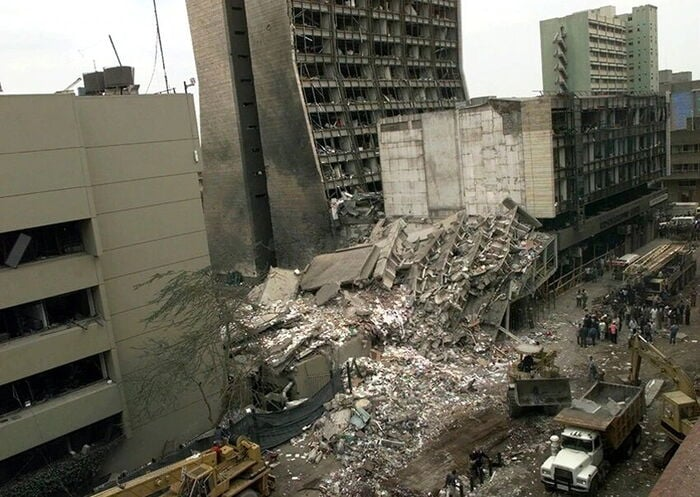
The August 7, 1998 attack remains one of the deadliest terror incidents in Kenya’s history. A powerful truck bomb detonated outside the U.S. Embassy in Nairobi, killing 213 people—most of them Kenyans—and injuring more than 4,000 others. The blast also caused extensive damage to surrounding buildings in the city’s central business district.
In the years since the attack, survivors have continued to grapple with medical complications, trauma, and economic hardship, while families of the deceased have pursued justice through various legal and diplomatic avenues.

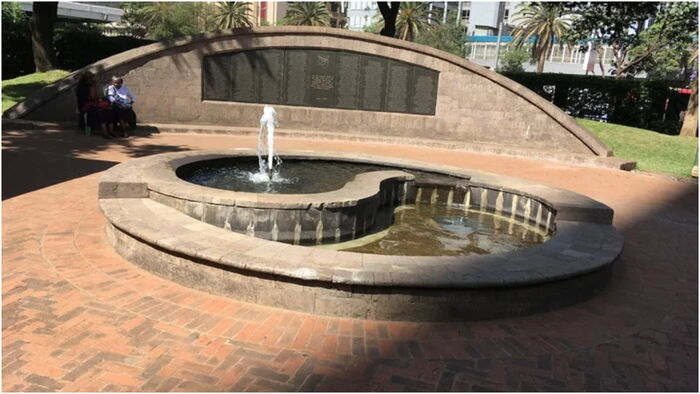
Today, the former embassy site stands as the August 7th Memorial Park, a place of remembrance dedicated to honouring the victims and celebrating the resilience of survivors. Despite the court’s ruling, the tragedy continues to occupy a significant place in Kenya’s collective memory and ongoing discussions around state responsibility, counterterrorism preparedness, and victim compensation.
ALSO READ: Ruto Blasts Judiciary in Front of CJ Koome, Criticizes Rulings Against His Projects
High Court Dismisses Compensation Petition by 1998 U.S. Embassy Bombing Victims
