


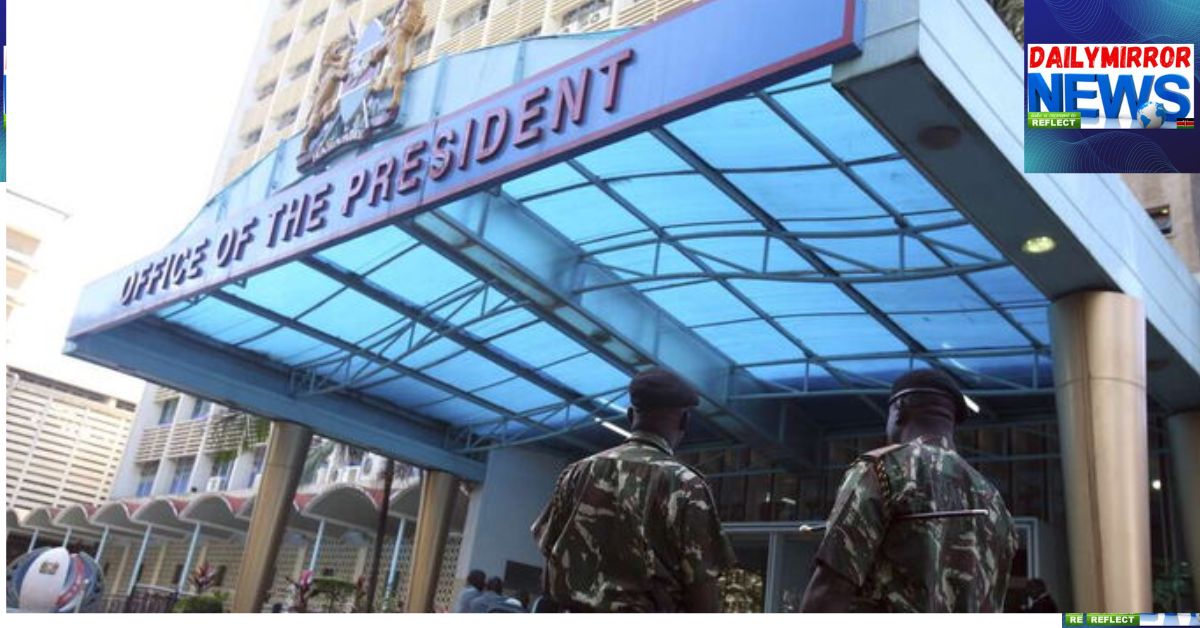
Cabinet Freezes Leasing of New Government Office Space in Major Cost-Cutting Drive
The decision, approved by the Cabinet, comes amid growing scrutiny over government spending and follows a series of reforms intended to eliminate wasteful expenditure while ensuring existing public infrastructure is fully utilized before additional financial commitments are made.
The audit is expected to establish how existing public buildings are being utilised, identify underused facilities, and determine whether government agencies genuinely require additional office accommodation.
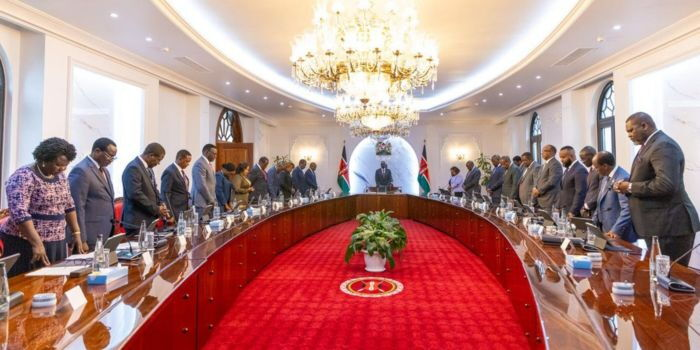
“In another cost-saving measure, Cabinet froze the leasing or hiring of additional office space pending an audit of Government office space and utilisation,” the Cabinet statement said.
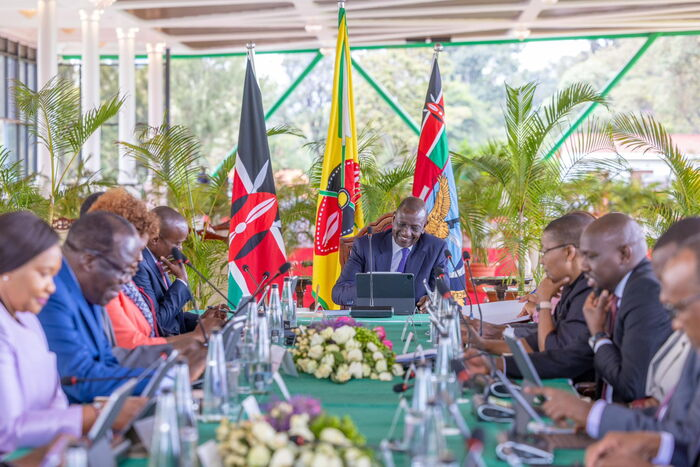
The move also signals a broader shift toward prudent financial management as the government seeks to contain recurrent expenditure while prioritising funding for critical development projects and essential public services.
Alongside the leasing freeze, Cabinet directed ministries and public institutions to focus on improving existing government buildings rather than acquiring new office space.
According to the statement, the government is preparing a nationwide programme to renovate and modernise public offices to make them more efficient and better suited for service delivery.
“The Government is developing a comprehensive programme to renovate public offices and make them more efficient and fit for service delivery,” the statement added.
Officials say upgrading existing facilities will improve working conditions for public servants while reducing the long-term costs associated with renting commercial office space.
The latest directive forms part of a wider package of expenditure control measures introduced as the government intensifies efforts to promote accountability and maximise value for taxpayers’ money.
Those concerns were reinforced by findings of the 2025 Auditor-General’s report, which revealed that millions of shillings continued to be spent on leased office space that remained vacant or underutilised.
The audit also highlighted significant rent arrears owed by several government institutions.
Collectively, the institutions were reported to owe approximately Ksh125 million in unpaid rent, raising questions over the efficiency of office space planning and financial management within government.
The Cabinet’s latest decision also follows earlier intervention by Parliament aimed at reducing unnecessary expenditure on leased buildings.
In May, lawmakers directed the National Treasury to stop allocating funds for renovations, partitioning and structural modifications of leased office premises.
The policy was subsequently reflected in the 2026/2027 Budget Policy measures, which discontinued government financing for alterations to rented office spaces.
Before the latest Cabinet directive, the government had also been exploring alternative financing mechanisms for future office developments.
Among the proposals under consideration were Public-Private Partnerships (PPPs), through which private investors would finance, construct, operate and maintain government office buildings under long-term agreements.
The government is expected to use the audit findings to determine future accommodation requirements, identify opportunities to consolidate offices and reduce rental costs across the public sector.
With the audit now set to begin, ministries and state agencies are expected to review their office occupancy levels while awaiting further guidance on future leasing arrangements, as the government pursues a leaner and more cost-effective public administration.
Cabinet Freezes Leasing of New Government Office Space in Major Cost-Cutting Drive
