


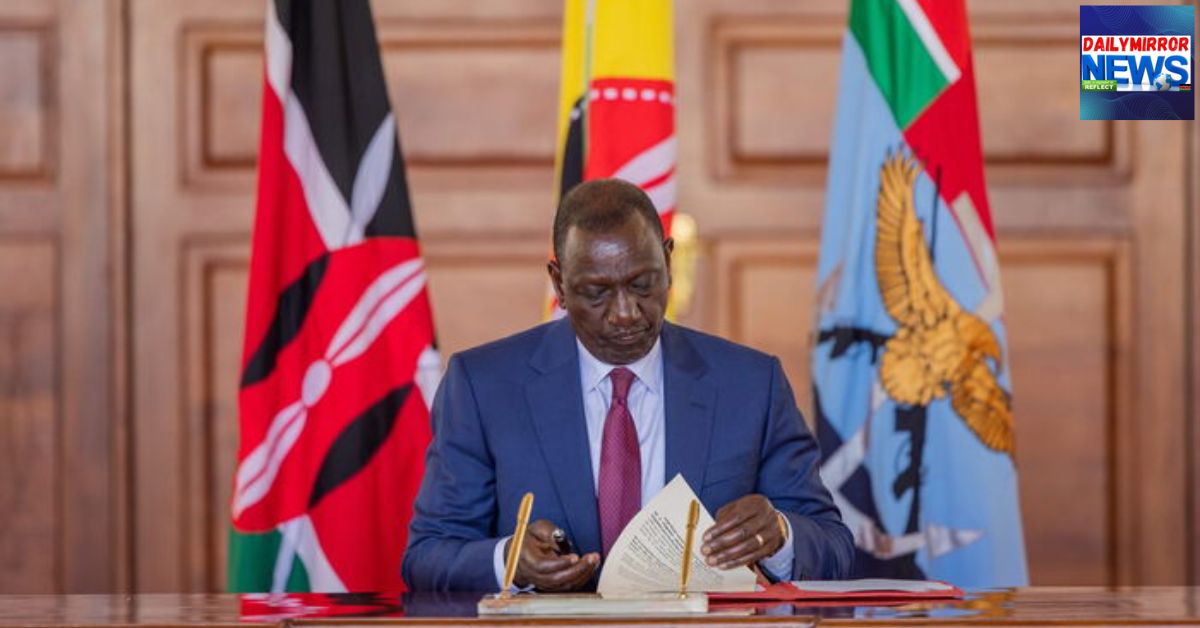
Cabinet Approves Finance Bill 2025: Relief for Retirees, Small Businesses as Government Closes Tax Loopholes
In a bold and strategic move, President William Ruto’s Cabinet approved the Finance Bill 2025 on Tuesday, April 29. This bill introduces sweeping economic reforms aimed at boosting efficiency, protecting public funds, and reducing the burden on ordinary citizens.
No New Taxes, Just Smarter Systems
Unlike previous finance laws, this year’s bill does not introduce new taxes. Instead, it focuses on minimizing unnecessary tax increases by tightening loopholes and reforming outdated tax systems.
The bill proposes amendments to four major laws: the Income Tax Act, VAT Act, Excise Duty Act, and Tax Procedures Act. These changes aim to streamline tax refunds, accelerate revenue collection, and reduce legal disputes between businesses and tax authorities.
Support for Small Enterprises
Small businesses finally have something to smile about. The bill allows them to deduct the full cost of essential tools and equipment in the year of purchase.
This bold measure will free up much-needed cash flow for micro and small enterprises struggling to stay afloat. It also shows that the government is listening to grassroots cries for real, meaningful support.
A Lifeline for Retirees
For retirees, the bill brings hope and dignity. All gratuity payments—whether from private or public schemes—will now be completely tax-free.
This historic move offers much-needed relief to thousands of senior citizens. It reflects a growing recognition of the need to protect Kenya’s aging population.
Strengthening Emergency Preparedness
During the same session, the Cabinet also approved the Public Finance Management (Amendment) Bill, 2024. This allows counties to establish County Emergency Funds.
According to the Cabinet dispatch, this change follows “serious gaps exposed by the 2023 El Niño rains.” It also aligns with resolutions made at the 24th IBEC session in August 2024.
These funds will help county governments respond quickly to floods, droughts, and other disasters—saving lives, infrastructure, and livelihoods.
A Shift from 2024’s Protests
This new approach marks a significant departure from last year’s Finance Bill 2024, which triggered nationwide protests. Kenyans rejected what they saw as punitive taxes.

By contrast, the 2025 version offers reforms, inclusivity, and a clear break from policies that once sparked outrage.
What Happens Next?
The bill will now head to Parliament for debate. If passed, these reforms could reshape Kenya’s economic future and restore public trust in fiscal policy.
Cabinet Approves Finance Bill 2025: Relief for Retirees, Small Businesses as Government Closes Tax Loopholes
