



Government Announces Free Health Services in New SHA Model
The government has announced the rollout of free primary healthcare services under a new framework within the Social Health Authority (SHA), a move officials say is aimed at easing the burden of unpaid hospital bills and restoring public confidence in the reformed health financing system.
Under the new arrangement, SHA has introduced Green Label Facilities, designated public health centres where registered beneficiaries can access comprehensive primary healthcare services at no cost. The initiative was officially launched at Bomet Health Centre, which has become the first facility in the country to receive the Green Label Service Charter.
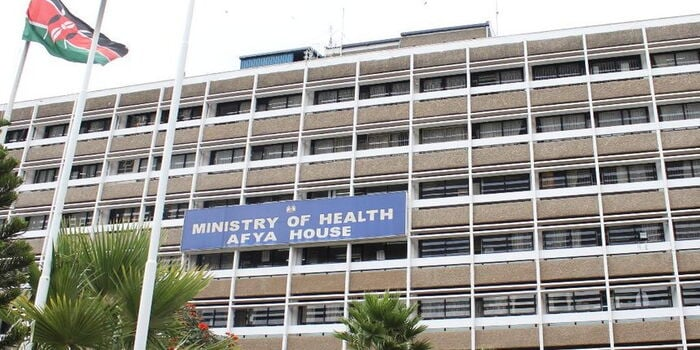
According to the Ministry of Health, accredited Green Label facilities will receive funding directly from the Primary Health Care Fund, effectively removing the need for patients to make out-of-pocket payments. Services covered under the programme include consultations, laboratory tests, diagnosis, medication, disease screening, immunisation, maternal and child healthcare, family planning, and treatment of common illnesses and chronic conditions such as diabetes.
Government officials say the new model is designed to demonstrate that universal health coverage can function effectively at the community level.
“Primary healthcare services at Level One to Level Three facilities are absolutely free for all registered SHA beneficiaries,” President William Ruto said while defending the reforms, adding that the government remains committed to ensuring equitable access to healthcare.
The announcement comes against the backdrop of growing public frustration since SHA replaced the National Health Insurance Fund (NHIF) in October 2024. Many Kenyans have complained that the new system has failed to meet expectations, citing low coverage levels and persistent out-of-pocket expenses.
Patients report that SHA covers less than 15 per cent of actual treatment costs in many cases, forcing families to shoulder the bulk of medical bills despite making mandatory monthly contributions. Those suffering from cancer and kidney failure say essential diagnostic tests and medications are often excluded from coverage, while intensive care unit bills reportedly attract reimbursements of as little as 10 per cent.
Private hospitals have also raised concerns, with some facilities declining to treat SHA patients or demanding cash payments in advance. Hospital administrators argue that delayed reimbursements from the government have resulted in mounting debts and unpaid claims.

Administrative challenges have further complicated access to care. Beneficiaries have cited mismatched identification numbers, mandatory full-year upfront contributions, and complex household registration requirements, particularly affecting individuals above the age of 25.
Despite the criticism, President Ruto maintains that the system is functioning and improving.
“Over 25 million Kenyans have already registered under SHA, and the initial challenges are behind us,” he said, describing the reforms as transformative and superior to the previous NHIF model.
The government has also highlighted measures taken to strengthen accountability within the sector. By August 2025, authorities had shut down approximately 1,000 fraudulent health facilities, while pledging to fully sponsor healthcare contributions for 2.2 million vulnerable Kenyans.
International support has bolstered the reforms, including a KSh208 billion health cooperation framework signed with the United States in December 2025. Officials say such partnerships will help improve infrastructure, service delivery, and financial sustainability.
Nevertheless, the president has acknowledged the political cost of the changes.
“These reforms are necessary, even though they have made our government unpopular,” Ruto admitted, arguing that long-term benefits would outweigh short-term dissatisfaction.
As Green Label Facilities begin operations, health analysts say the success of the model will depend on consistent funding, transparency, and the government’s ability to address systemic weaknesses that have plagued SHA since its inception.
ALSO READ: FIDA-Kenya Warns Public Against Sharing Private Images, Cites Criminal Liability
Government Announces Free Health Services in New SHA Model
