


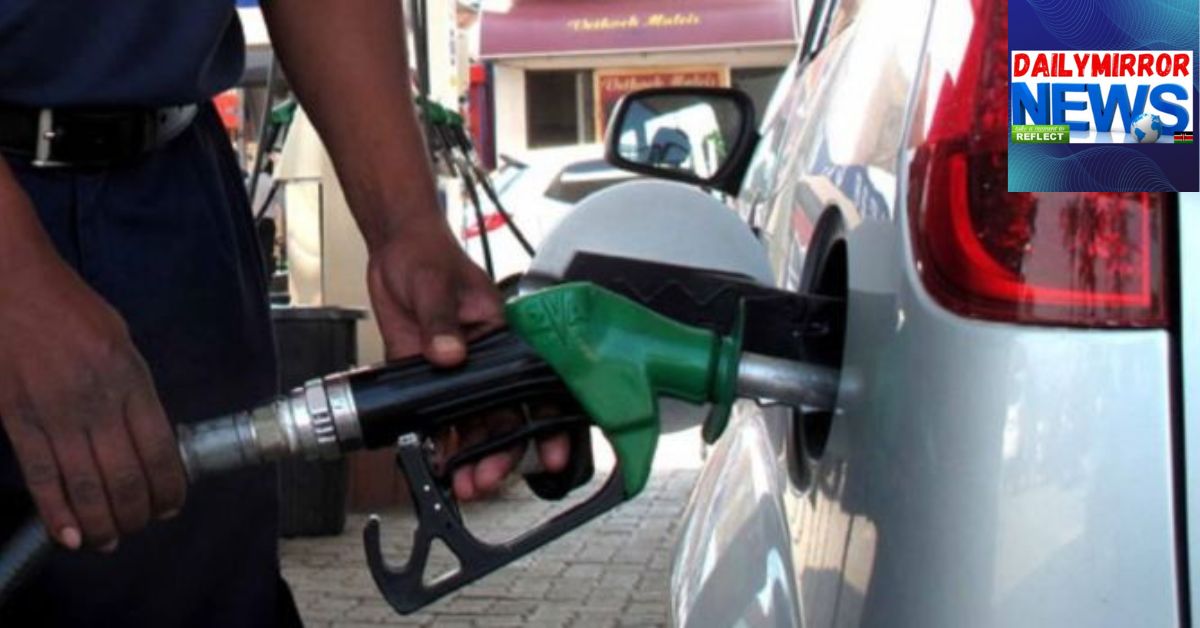
Energy PS Assures Kenyans of Enough Petrol Despite Shortage Concerns
In a statement relayed during a live media interview on Monday, March 23, the Principal Secretary for Petroleum, Mohamed Liban, said the State Department for Petroleum was closely monitoring supply levels and distribution patterns to prevent disruptions. The message was delivered to Nelson Koech, Member of Parliament for Belgut Constituency, amid growing public anxiety fueled by long queues at filling stations and reports of panic buying.
Authorities attributed the localized shortages not to an actual depletion of fuel stocks but to market behavior driven by speculation surrounding global oil supply risks, particularly tensions in the Middle East.

“We have sufficient stock in the country, and we had an operational issue with super petrol. In the run-up to the weekend, we have seen daily price speculation and panic buying over the last two weeks,” the statement said.
The Energy and Petroleum Regulatory Authority (EPRA), the sector regulator responsible for setting retail fuel prices and overseeing supply, is reportedly taking steps to curb hoarding and ensure equitable distribution across the country.
“EPRA is currently dealing with hoarding by oil marketers due to the anticipation of price jumps,” the statement noted, emphasizing that enforcement measures were underway to restore normal supply chains.
According to the government, Kenya received a major consignment of super petrol earlier in the week, significantly boosting available reserves. Officials confirmed that more than 100 million litres entered the distribution system on Thursday, March 19, a volume expected to stabilize the market in the short term.
“About 101 million litres of super petrol hit the system, which is expected to cover more than 10 days of consumption and ease the situation,” the Principal Secretary said.
Energy experts note that Kenya relies heavily on imported refined petroleum products, making domestic prices and supply vulnerable to global market fluctuations, shipping disruptions, and currency movements. The ongoing geopolitical tensions in key oil transit routes have heightened uncertainty, prompting both traders and consumers to stockpile fuel.
In recent days, motorists in parts of Nairobi, Rift Valley, and Western Kenya have reported long queues at petrol stations, with some outlets temporarily running dry. Public transport operators warned that prolonged shortages could lead to fare increases, affecting commuters and businesses alike.
Government officials, however, maintain that the situation is under control and that supply levels remain sufficient to meet national demand. They urged the public to avoid panic buying, cautioning that unnecessary stockpiling could worsen temporary distribution challenges.
Analysts say consumer confidence plays a critical role in fuel markets, where perceptions of scarcity can trigger self-reinforcing shortages even when overall supply is adequate.
The Ministry reiterated its commitment to maintaining energy security and stabilizing prices through regulatory oversight and coordination with industry stakeholders.\

For now, the government’s message is clear: there is no national fuel shortage — only localized disruptions driven by panic and market anticipation. Officials say cooperation from both industry players and consumers will be key to restoring stability in the days ahead.
ALSO READ: Allan Ademba Warns Politicians to Keep Off ‘Niko Kadi’ Youth Voter Registration Movement
Energy PS Assures Kenyans of Enough Petrol Despite Shortage Concerns
