


EACC Stops Ksh10.74 Billion Loss to Graft Amid Fresh Crackdown
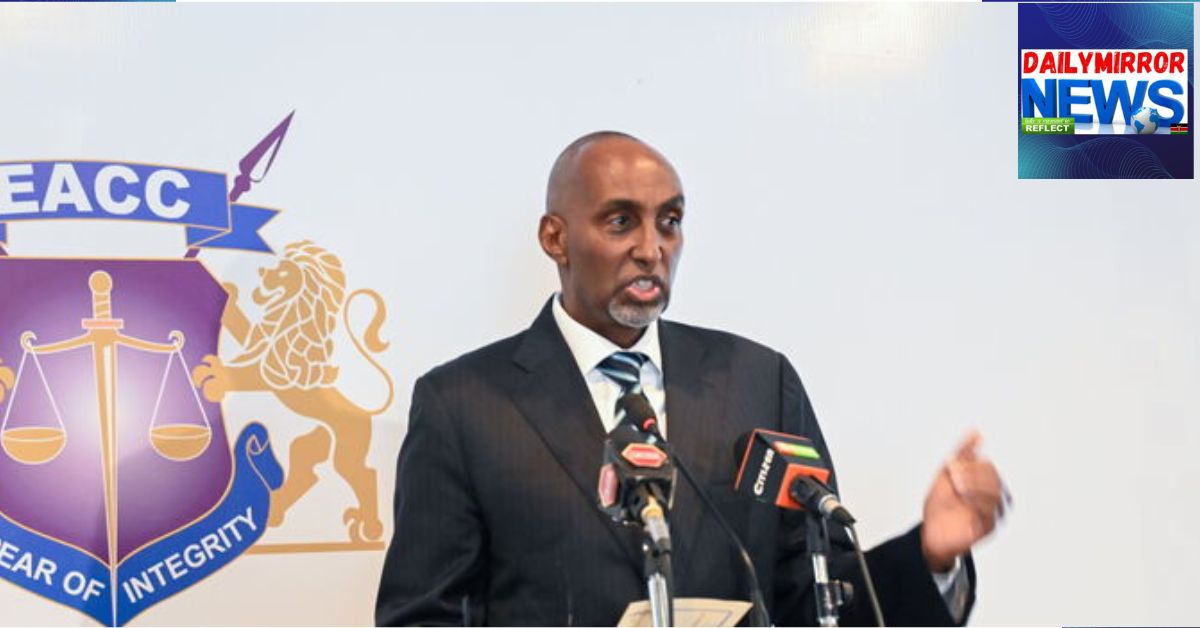
Speaking during a briefing on the commission’s recent performance, EACC Chief Executive Officer Abdi A. Mohamud said the amount represents funds that were at risk of being siphoned through fraudulent schemes but were safeguarded through timely investigations and intervention.
“As much as we are getting convictions and recovering assets, the situation is not changing as we would have wished. In the last three years, we averted the potential loss of Ksh10.74 billion,” Mohamud stated.
The disclosure paints a stark picture of the magnitude of corruption threats facing public institutions, even as authorities ramp up enforcement measures. According to the commission, the prevented losses stemmed from a wide range of irregular procurement deals, fraudulent payments, and abuse of office that were halted before funds could be disbursed.
Beyond prevention, the EACC also reported notable progress in prosecution and asset recovery. Over the same period, the commission recorded a conviction rate of 72 per cent and successfully recovered approximately Ksh7.4 billion in stolen public resources.
Mohamud warned that the continued emergence of high-value corruption cases points to entrenched systemic weaknesses that are still being exploited by individuals within public service.
He emphasised that while enforcement and prosecution are critical, a stronger focus on prevention mechanisms is necessary to achieve long-term success in combating corruption.
“The value of funds targeted by corrupt individuals shows that we still have significant gaps in our systems. Enforcement alone will not solve this problem,” he noted.
The commission has been working to strengthen internal controls within government agencies, including reviewing procurement processes, conducting risk assessments, and advising institutions on best practices to minimise opportunities for fraud.
However, EACC officials have also raised concerns over structural challenges that they say hinder the effective prosecution of corruption cases. Chief among these is the lack of prosecutorial powers, which currently lie with the Office of the Director of Public Prosecutions (ODPP).
According to the commission, cases forwarded to the ODPP often face delays or are weakened during the prosecution process, with some convictions later overturned on appeal due to procedural or evidentiary issues.
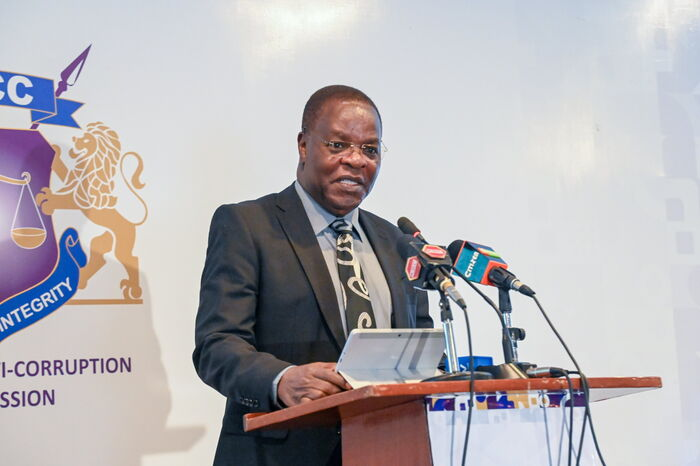
“Could we be given a chance to process these files all the way to the court and let the court be the adjudicator?” Oginde posed, highlighting the commission’s readiness to take on a more active prosecutorial role.
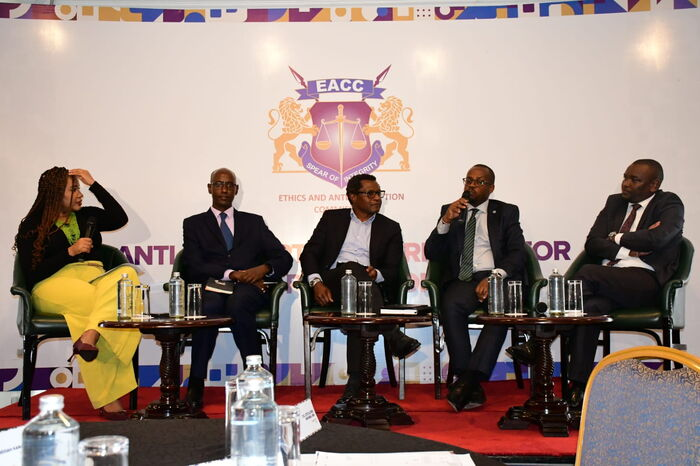
The proposal has reignited debate over the structure of Kenya’s anti-corruption framework, with proponents arguing that granting EACC prosecutorial authority could close gaps that allow suspects to evade justice. Critics, however, caution that such changes would require careful safeguards to maintain checks and balances within the legal system.
As the government continues to position anti-corruption efforts at the centre of public sector reforms, the latest figures from the EACC serve as both a sign of progress and a reminder of the persistent challenges ahead.
ALSO READ: CS Wandayi Says Ruto Ordered EPRA Not to Increase Kerosene Prices Amid Uproar
EACC Stops Ksh10.74 Billion Loss to Graft Amid Fresh Crackdown
