



Court Rejects DIG Lagat’s Bid to Dismiss Petition Over Blogger Albert Ojwang’s Death
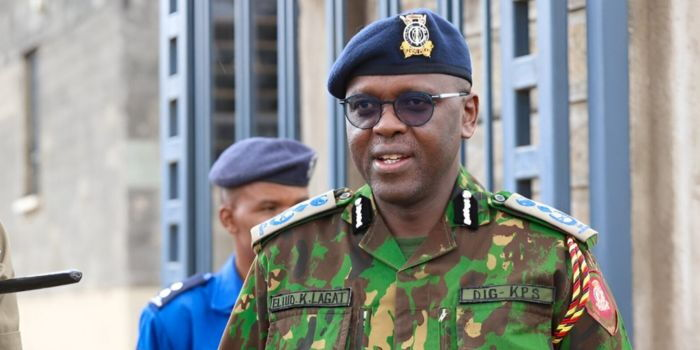
A fresh wave of public emotion surged on Friday, October 3, after the High Court declined Deputy Inspector General Eliud Lagat’s request to dismiss a petition seeking his suspension. The petition stems from the controversial death of teacher and blogger Albert Ojwang, who died in police custody under unclear circumstances.
“This Court Has Jurisdiction”—Justice Mwita Shuts Down Lagat’s Argument
Lagat, through lawyer Cecil Miller, argued that the matter was purely administrative and employment-related. He insisted the Labour Relations Court should handle it.

“What is before you is an employment issue,” Miller told the court. “This court lacks jurisdiction,” he added.
However, Justice Chacha Mwita firmly disagreed.
“The petition raises constitutional questions beyond employment,” the judge ruled. “It involves legality and transparency in public office,” he emphasized.
“He Stepped Aside Without Process”—Petitioner Questions Lagat’s Conduct
The petitioner challenged the manner in which Lagat stepped aside following Ojwang’s death. They claimed his move lacked any formal procedure or legal framework.
“There was no structured process guiding his decision,” the petitioner stated. “He continues to operate as DIG despite announcing he stepped aside,” they added.
This contradiction has sparked widespread concern over accountability in the police service.
“Ojwang’s Death Sparked Outrage”—Nation Still Demands Answers
Ojwang died in June while detained at Nairobi Central Police Station. His death ignited protests across major cities, including Nairobi.
“We want justice for Albert,” shouted demonstrators in the capital. “No one should die in police custody,” another protester added.
Following the uproar, six suspects were arrested, including OCS Samson Taalam.
“This Is About Constitutional Integrity”—Court to Examine Legality
“We must determine if his conduct was legal and constitutional,” Mwita stated.
This ruling marks a critical moment in the fight for police accountability.
“Public Trust Is at Stake”—Kenyans Watch Closely
As the case unfolds, Kenyans are demanding transparency and justice. Many believe this could reshape how police leadership is held accountable.

“We need leaders who respect the law,” said a Nairobi resident. “No one is above the Constitution,” another added.
ALSO READ: Kenya Secures Ksh193 Billion from Global Investors, Pays Off Eurobond Early to Ease Debt Pressure
Court Rejects DIG Lagat’s Bid to Dismiss Petition Over Blogger Albert Ojwang’s Death
