



Concern for Kenya as Saudi Arabia Cuts Oil Supply to Asian Countries for Second Month
Kenya could soon feel the ripple effects of escalating tensions in the Middle East after Saudi Arabia reduced crude oil shipments to major Asian buyers for the second consecutive month, raising fears of tighter global fuel supplies and potential price increases at local pumps.
Energy analysts warn that the move by Saudi Aramco — the world’s largest oil exporter — could indirectly disrupt petroleum flows to African markets, including Kenya, which relies heavily on imported refined fuel.
The cuts, confirmed for April 2026, affect refineries across Asia, including those in India, China, South Korea, and the United Arab Emirates. These facilities depend on Saudi crude — particularly heavier grades — to produce petrol, diesel, and jet fuel for domestic use and export.
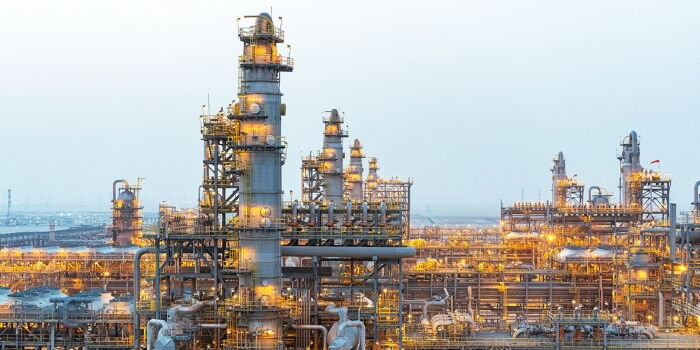
Kenya sources most of its petroleum products from Middle Eastern refiners, especially in the UAE and Saudi Arabia, as well as from Asian suppliers including India, Malaysia, Singapore, South Korea, and Thailand. A slowdown in refinery output across these regions could therefore squeeze multiple supply channels simultaneously.
Reports indicate that only Arab Light crude will be supplied to Asian customers in April, restricting refineries that are configured to process heavier grades and thereby reducing refined fuel production.
The impact is already being felt in Kenya, where motorists in some areas have reported panic buying and isolated cases of fuel hoarding at petrol stations amid fears of shortages.
“We have sufficient stock in the country, and we had an operational issue with super petrol. In the run-up to the weekend, we have seen a daily rise in petrol prices over the last two weeks because of speculation and panic buying,” Liban said in a statement.

Economists caution that even if Kenya’s immediate reserves are adequate, prolonged supply cuts could eventually push up import costs, especially if Asian refineries reduce exports or prioritise domestic consumption.
Higher global prices would likely translate into increased transport and production costs locally, potentially affecting food prices, electricity generation, and overall inflation.
Shipping disruptions and insurance costs for tankers operating in conflict-prone waters could further compound the situation, making fuel imports more expensive even if physical supply remains available.
For now, authorities are urging calm while monitoring developments in global energy markets. Analysts say the extent to which Kenyan consumers feel the impact will depend on how long the supply cuts persist and whether alternative sources can compensate for reduced output in Asia.

As geopolitical tensions continue to reshape global oil flows, Kenya’s dependence on imported fuel leaves it particularly vulnerable to shocks originating thousands of kilometres away — underscoring the fragile link between international conflicts and everyday life at the pump.
ALSO READ: Ford Kenya Rejects Calls to Dissolve and Merge With UDA Ahead of 2027 Elections
Concern for Kenya as Saudi Arabia Cuts Oil Supply to Asian Countries for Second Month
