


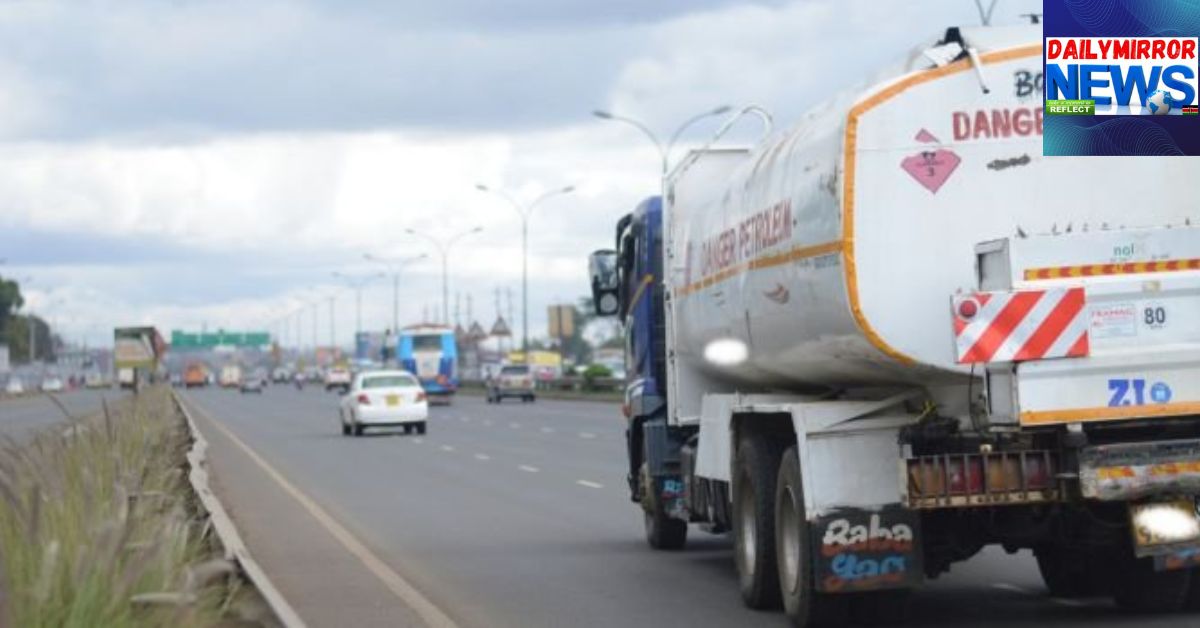
EPRA Warns of More Fuel Price Hikes if Middle East Conflict Escalates
Mwirigi issued the warning on Thursday, October 15, while appearing before the Special Funds Accounts Committee, where lawmakers questioned the authority over the latest increase in petrol, diesel and kerosene prices.
His remarks raised concerns about the possibility of additional increases in the coming months if international supply chains remain unstable.

EPRA Explains Why Fuel Prices Increased
Under the latest review, Nairobi motorists will pay KSh226.96 per litre of petrol, KSh227.76 for diesel and KSh219.87 for kerosene.
The increases have placed additional pressure on households, transport operators and businesses that depend on fuel to move people and goods.
The higher import costs have contributed to the increase in local pump prices, highlighting Kenya’s exposure to fluctuations in the international oil market.
“September has been the worst month ever since this war broke out. Super petrol has reached USD 1,300 per metric tonne from the initial USD $600 per metric tonne,” Mwirigi told journalists on Wednesday, October 14.
The increase in international petroleum product prices has intensified concerns about the cost of fuel imports and the pressure these costs could place on consumers.
MPs Question Government’s Fuel Price Position
During the committee session, lawmakers questioned why pump prices had risen despite President William Ruto’s assurances in May 2026 that fuel prices would remain stabilised.
Mwirigi told the committee that Saudi vessels had been targeted and maintained that Kenya’s fuel prices remained competitive compared with those in neighbouring countries.
However, his warning suggested that the domestic market could remain vulnerable to further international shocks.
Parliament Extends Reduced Fuel VAT Rate
Amid the rising prices, the National Assembly passed the Tax Laws (Amendment) Bill, 2026, seeking to retain the reduced 8% Value Added Tax (VAT) rate on petrol, diesel and kerosene for another three months.
The proposal, sponsored by National Assembly Majority Leader Kimani Ichung’wah, aims to prevent the VAT rate from reverting to the standard 16%.
Maintaining the reduced rate is intended to cushion consumers against additional costs, although it does not prevent pump prices from rising when international petroleum prices and importation expenses increase.
The impact of the measure will depend partly on how global oil prices and supply conditions develop.
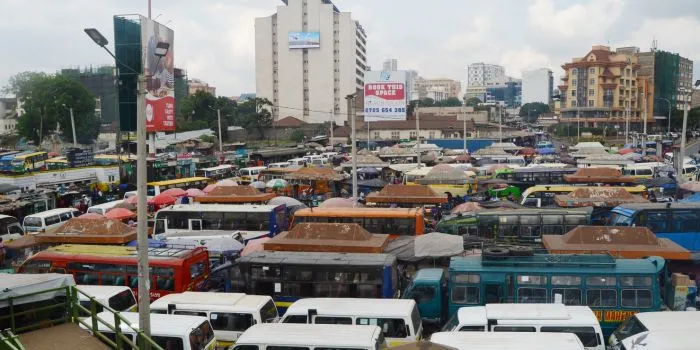
Matatu Operators Consider Fare Increases
The latest fuel price review has also raised concerns about public transport costs.
Higher transport costs could also affect the prices of food and other essential goods because fuel is a major expense in distribution and logistics.
For motorists and businesses, the immediate concern is whether international supply disruptions will ease before the next fuel price review.
EPRA’s warning indicates that further increases remain possible if the Middle East conflict escalates and continues to drive up petroleum import costs.
LSO READ: Winnie Odinga Announces Nairobi Senate Bid Ahead of 2027 Elections
EPRA Warns of More Fuel Price Hikes if Middle East Conflict Escalates
