


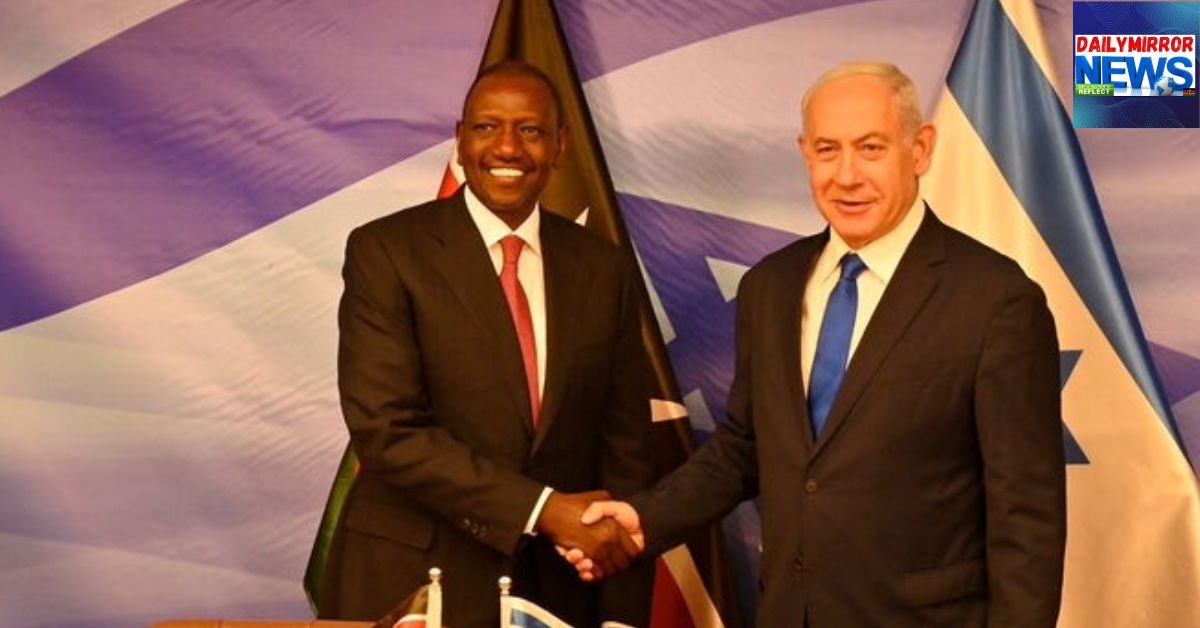
Relief as Israel Lifts Ebola-Related Travel Restrictions on Kenya Following Diplomatic Engagement
The announcement, made through the Israeli Embassy in Nairobi on Monday, June 15, also confirmed that neighboring Rwanda had been removed from the same list following a review by Israeli health authorities.
The decision comes as a relief to Kenya, which had strongly protested its inclusion in the restrictions despite having no confirmed cases of Ebola within its borders.
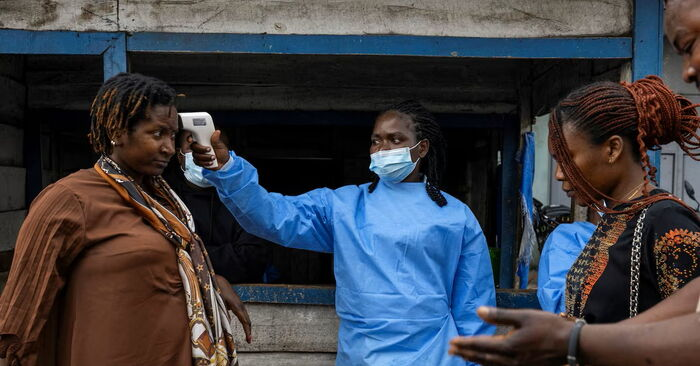
The restrictions had initially grouped Kenya and Rwanda together with countries experiencing Ebola outbreaks or heightened risks, including Uganda, South Sudan, and the Democratic Republic of Congo (DRC).
Kenya Protests Inclusion
The move to remove Kenya from the list followed swift diplomatic engagement by the Kenyan government, which argued that the country’s public health status did not justify the restrictions.
Foreign Affairs Principal Secretary Abraham Korir Sing’Oei welcomed Israel’s decision, describing it as a demonstration of the importance of evidence-based decision-making and strong bilateral relations.
“Israel’s decision to lift this restriction shows that science, dialogue and mutual trust work; that facts can beat fear; and that partnership beats barriers. This is how friends must act. Todah Rabah,” Sing’Oei stated.
The Principal Secretary had earlier expressed concern that Kenya’s inclusion could negatively affect tourism, business travel, diplomatic engagements, and investor confidence, particularly given the country’s extensive disease surveillance systems and preparedness measures.
The restrictions had been communicated through a notice issued by Israel’s Border Control Department on June 10, directing airlines to deny boarding to travelers originating from or recently visiting affected countries.
Under the directive, even foreign nationals who had traveled through listed countries within 21 days before departure were subject to the restrictions.
Kenya Defends Ebola Preparedness
Kenyan authorities maintained that the country remains Ebola-free and has invested heavily in preparedness mechanisms to prevent any possible outbreak.

Health officials have consistently emphasized that surveillance systems at airports, border crossings, and other entry points remain operational and effective.
According to government data, more than 100,000 international travelers have undergone Ebola screening at various entry points across the country since heightened surveillance measures were introduced.
The Ministry of Health has also intensified public awareness campaigns, emergency response training, and coordination with international health agencies to ensure rapid detection and containment of any suspected cases.
Controversial Isolation Facility Proposal
Kenya’s preparedness efforts have extended beyond border surveillance.
Earlier, Kenya and the United States announced plans to establish a specialized 50-bed Ebola quarantine and isolation facility at Laikipia Air Base. The facility was intended to support the monitoring and treatment of individuals exposed to the virus in high-risk regions.
However, the proposal generated significant public debate and legal challenges, with critics raising concerns over safety, transparency, and public consultation.
The matter is currently subject to court proceedings following a temporary suspension issued by the High Court.
Despite the controversy, government officials have maintained that the initiative forms part of a broader national preparedness strategy aimed at protecting public health and strengthening emergency response capabilities.
Strengthening Public Health Infrastructure
The government has further disclosed plans to establish 23 Ebola isolation and treatment facilities across the country in partnership with international health partners.
Officials say the facilities will improve the country’s ability to manage infectious disease outbreaks while enhancing overall healthcare resilience.
For Kenya, the development not only removes a potential obstacle to travel and trade but also reinforces confidence in the country’s health preparedness framework.
The lifting of the restrictions is expected to boost travel, strengthen diplomatic relations between Nairobi and Tel Aviv, and reassure international partners about Kenya’s readiness to respond to emerging health threats.
ALSO REA: Anti-G7 Summit Protests Erupt in Switzerland Ahead of President Ruto’s Visit to France
Relief as Israel Lifts Ebola-Related Travel Restrictions on Kenya Following Diplomatic Engagement
