


Questions Arise After Ruto Claims Affordable Housing Fund Has Generated Ksh1.2 Trillion in Investments
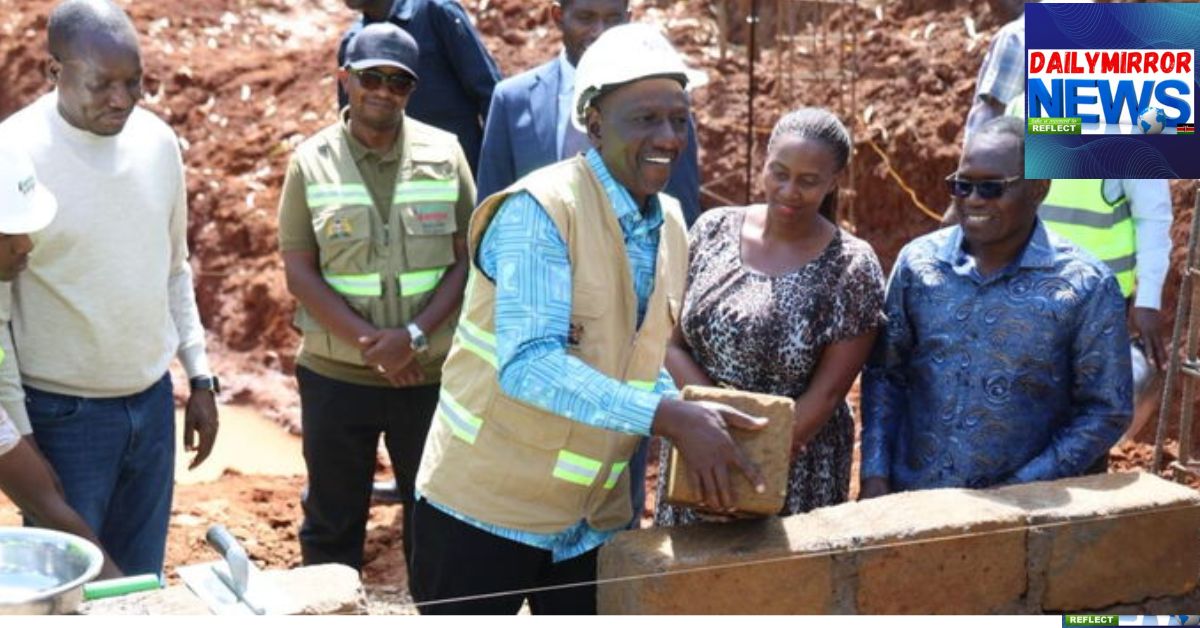
NAIROBI, Kenya — Fresh debate has emerged over the financing and scale of Kenya’s Affordable Housing Programme after President William Ruto stated that the initiative has generated investments worth Ksh1.2 trillion, a figure that has sparked widespread discussion among economists, policy analysts, and members of the public.
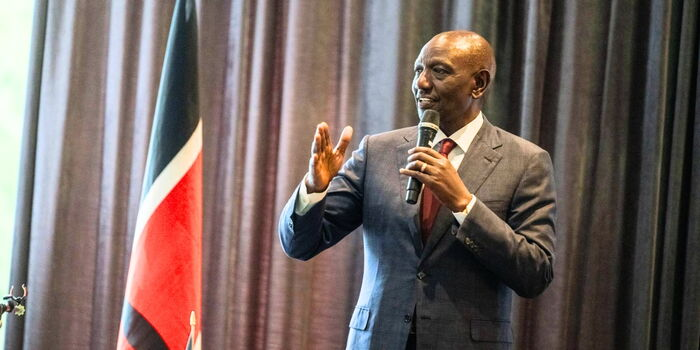
The President made the remarks while addressing Kenyans living in Finland, where he defended the government’s flagship housing project and highlighted its contribution to economic growth, employment creation, and infrastructure development.
“That housing fund has generated investments of USD 9.3 billion. This is not money we have borrowed; this is our money,” President Ruto said during the engagement in Helsinki.
He further added: “If I were to get that money from the IMF or the World Bank, I would grow grey hair before I got it.”

Affordable Housing Programme at the Centre of National Debate
The Affordable Housing Programme remains one of the Kenya Kwanza administration’s most ambitious projects, aimed at reducing the country’s housing deficit while creating employment opportunities for thousands of young people.
Since its rollout, the initiative has faced several legal and political challenges, including court battles over the legality of the levy and questions regarding transparency, affordability, and long-term sustainability.
Despite these concerns, the government has maintained that the programme is a key pillar of its economic transformation agenda.
Questions Over the Ksh1.2 Trillion Figure
President Ruto did not provide a detailed breakdown of how the Ksh1.2 trillion figure was calculated, leading to speculation over whether the amount represents actual funds collected, projected investments, private-sector commitments, or the total estimated value of housing projects associated with the programme.
Available government records indicate that collections from the Housing Levy since its introduction in 2023 amount to approximately Ksh127.36 billion.
However, without an official breakdown, questions remain regarding the methodology used to arrive at the figure.
Government Seeks Additional Financing
Interestingly, even as the government celebrates the programme’s progress, the housing sector continues to seek additional funding.
The Affordable Housing Board is reportedly pursuing plans to raise an additional Ksh100 billion through the financial markets to accelerate construction and bridge funding gaps.
PCS
The move suggests that while collections have been robust, the scale of the housing programme requires significantly more capital to meet its ambitious targets.
Housing Projects and Economic Impact
According to President Ruto, the programme has already supported the development of housing units, student accommodation facilities, and modern markets across the country.
“We are building 300,000 units, 180,000 student hostels, and 500 modern markets at a cost of Ksh93 billion, funds locally raised under the Affordable Housing Fund,” the President stated.
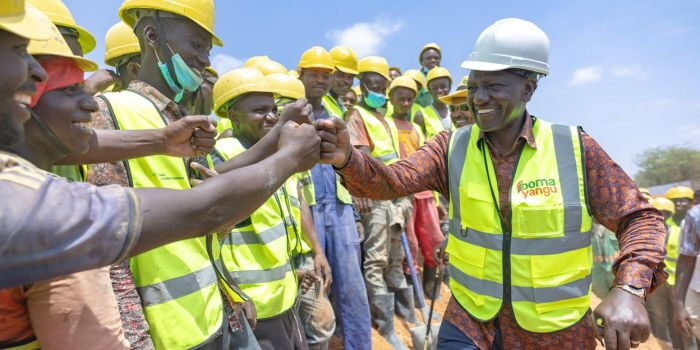
Government officials argue that beyond providing homes, the programme has become a major economic driver by creating jobs in construction, manufacturing, transport, and related sectors.
For now, the Affordable Housing Programme remains one of Kenya’s most significant and closely watched development initiatives, with its funding model continuing to generate both support and questions in equal measure
ALSO READ: U.S. Meat Exporters Urge Trump Administration to Pressure Kenya Over ‘Restrictive’ Trade Rules
Questions Arise After Ruto Claims Affordable Housing Fund Has Generated Ksh1.2 Trillion in Investments
