


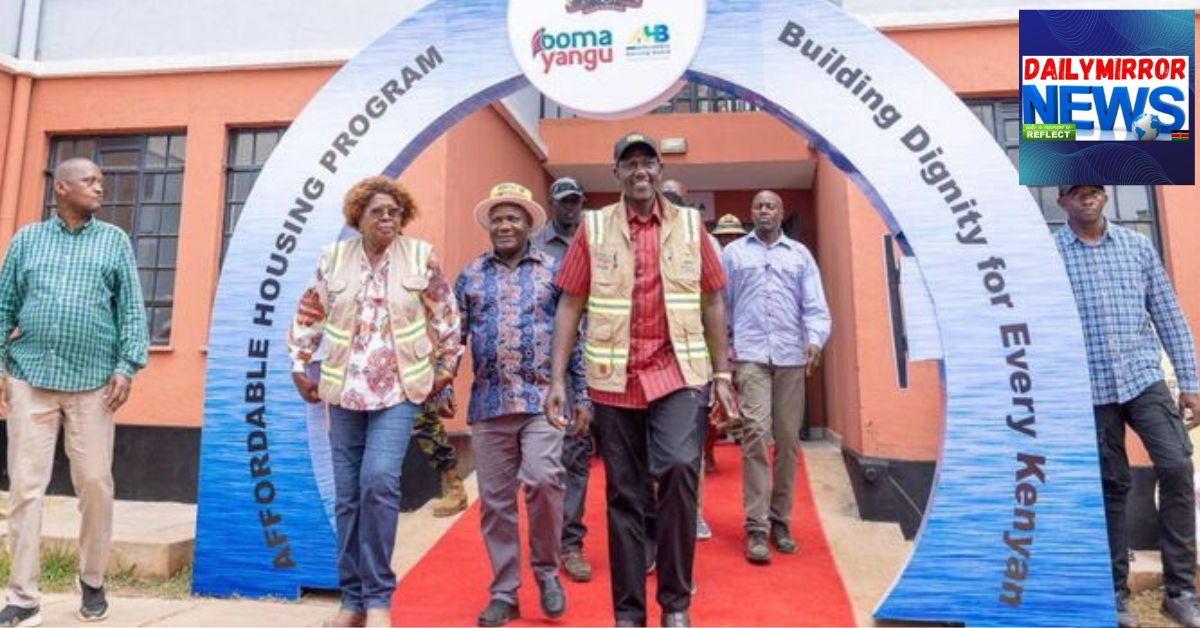
Ruto’s Affordable Housing Programme at Risk as Ksh800 Million Budget Cut Looms
Appearing before Parliament on Wednesday, Charles Hinga, Principal Secretary for the State Department for Housing, warned that donor funding for the programme has been cut by Ksh800 million under the FY 2025/2026 Supplementary Budget I. The allocation has been reduced from Ksh13.3 billion to Ksh12.5 billion.
Hinga cautioned lawmakers that the shortfall could severely disrupt ongoing developments across the country.
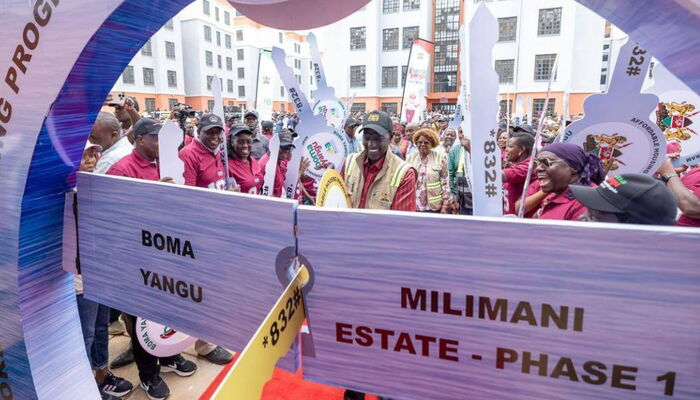
“The reduction could significantly disrupt ongoing projects and hamper the delivery of housing units to Kenyans,” he told the committee.
Hundreds of Projects at Stake
The Affordable Housing Programme, a central pillar of the administration’s economic agenda, currently has approximately 1,700 active construction sites nationwide. However, officials say the programme is already stretched thin due to limited personnel and rising operational demands.
Hinga revealed that some officers are working extended hours, including multiple shifts, to keep projects on schedule.
“We are experiencing a severe personnel shortage, with some officers working up to three shifts to meet timelines,” he said.
Members of Parliament questioned whether the department had anticipated the funding gap and why additional staff had not been recruited earlier to support the ambitious rollout.
The committee, chaired by Vice Chairperson Mugambi Rindikiri, pressed the housing department on contingency planning and project sustainability.
Budget Already Nearly Exhausted
“While some funds had been invested in Treasury Bills, the National Treasury has not granted access to them for project use,” he explained.
Lawmakers indicated they would engage John Mbadi, Cabinet Secretary for the National Treasury, to clarify the funding constraints and explore possible solutions.
Levy Compliance Problems
While the Kenya Revenue Authority collects the levy, enforcement remains limited due to legal gaps in the Affordable Housing Act of 2024. Responsibility for compliance lies with the Affordable Housing Board, which lacks access to taxpayer data needed to identify defaulters.
Auditors reported widespread non-compliance, including cases where companies either failed to deduct the levy or withheld contributions already collected from employees.
Output Far Below Targets
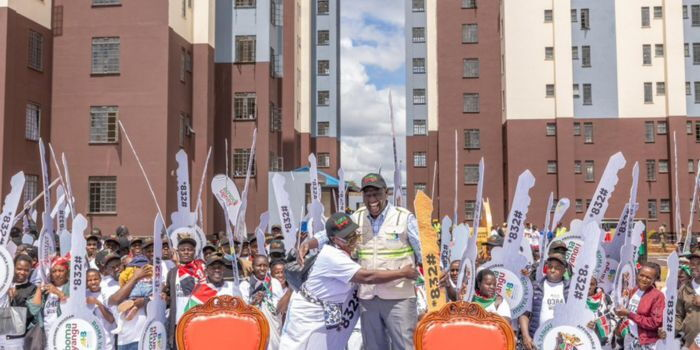
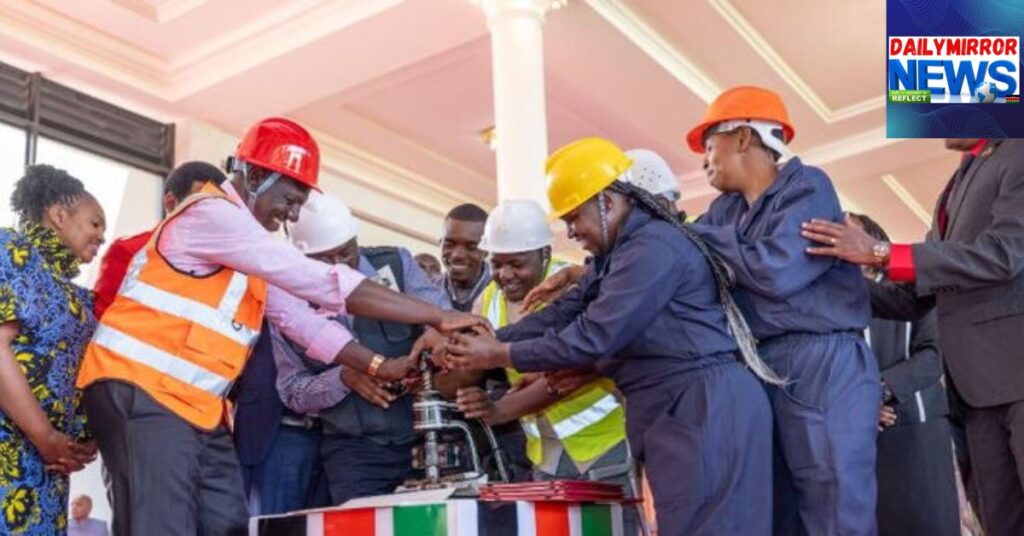
Despite raising Ksh73.19 billion by June 2025, the programme has delivered only 3,611 housing units—far short of the government’s target of 200,000 homes annually. Additionally, Ksh45.48 billion of the collected funds remains tied up in Treasury Bills, raising questions about the pace and efficiency of implementation.
Uncertain Outlook
Analysts warn that unless funding gaps, staffing shortages, and compliance issues are addressed, the programme could fall significantly behind schedule, undermining one of the government’s key social and economic initiatives.
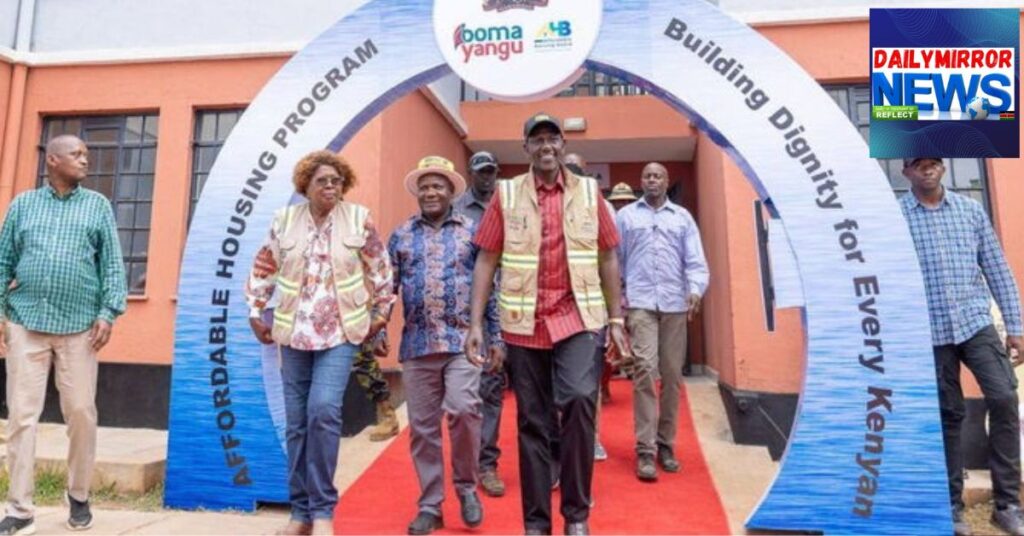
As Parliament weighs possible interventions, the future of the multi-billion-shilling initiative now hinges on whether additional resources can be secured to keep construction moving and restore confidence in the programme’s delivery timeline.
ALSO READ: Workers Trapped After 22-Storey Building Collapses in Westlands
Ruto’s Affordable Housing Programme at Risk as Ksh800 Million Budget Cut Looms
