


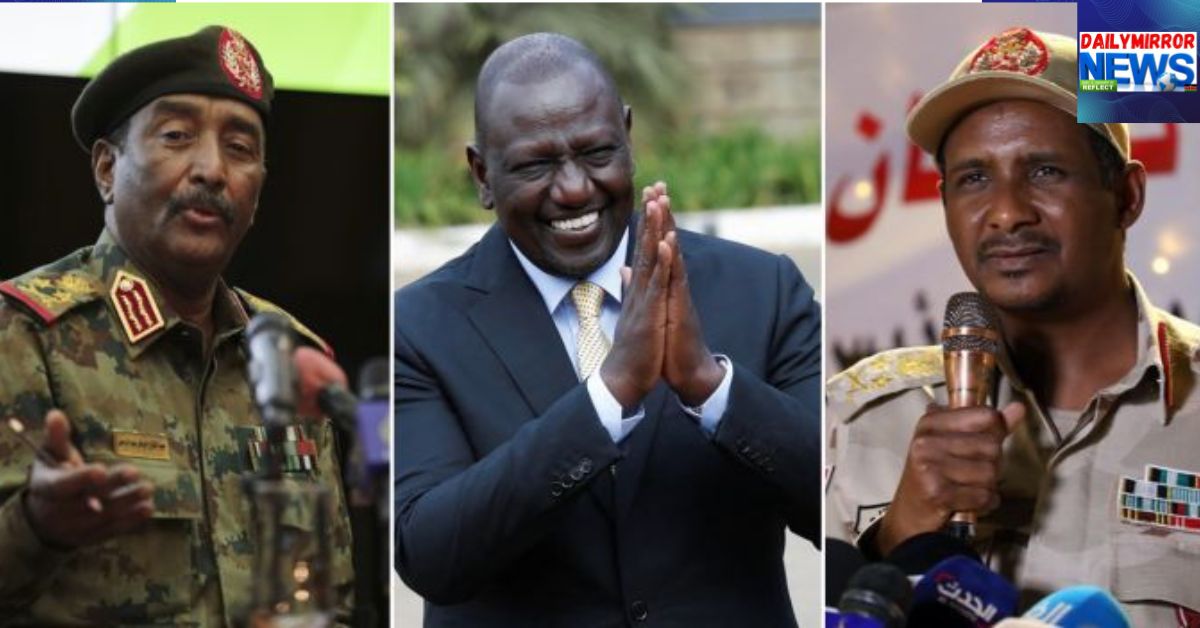
Global Powers Call for Immediate Ceasefire in Sudan After Berlin Talks
Global and regional powers have issued a renewed call for an immediate humanitarian truce and a sustained ceasefire in Sudan following high-level talks held in Berlin, Germany, as the country’s conflict enters its third year with no clear resolution in sight.
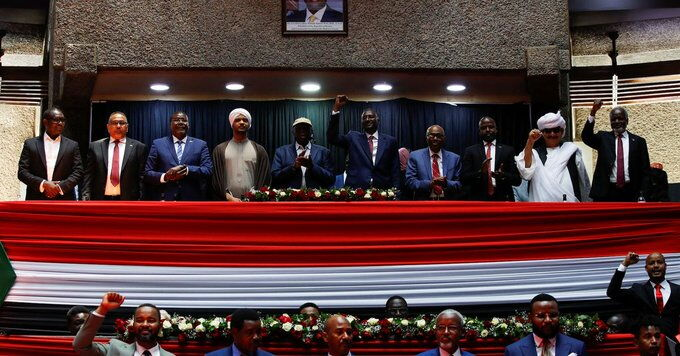
In a joint communiqué released on Thursday, April 30, representatives from key international bodies, including the African Union, European Union, United Nations, and the Intergovernmental Authority on Development (IGAD), alongside governments such as Kenya and Ethiopia, underscored the urgency of halting hostilities and prioritising humanitarian access.
The Berlin conference brought together diplomats, humanitarian agencies, and regional stakeholders to assess the worsening crisis in Sudan, where prolonged fighting has displaced millions and crippled essential services. The conflict, which erupted in 2023, has continued to intensify, with repeated attempts at mediation failing to produce lasting peace.
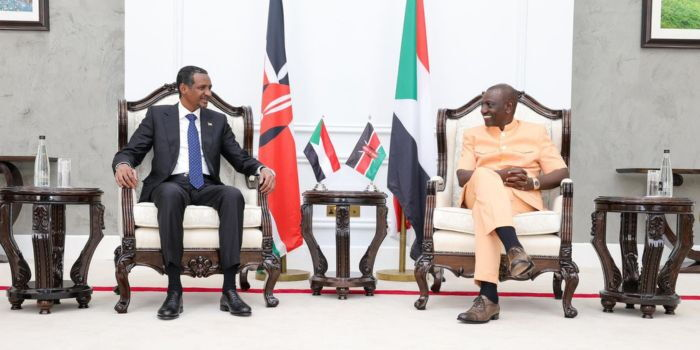
In their joint statement, participants made it clear that military confrontation cannot resolve the crisis, stressing that dialogue and civilian-led processes remain the only viable path forward. The statement emphasised that “there is no military solution to this conflict. It is critical that all agree to an immediate humanitarian truce, followed by a sustained ceasefire.”
The call for a humanitarian pause is aimed at enabling the safe delivery of aid to millions of Sudanese civilians caught in the crossfire. Aid agencies have repeatedly warned that restricted access has worsened food insecurity, healthcare shortages, and displacement, pushing the country toward a deeper humanitarian catastrophe.
Officials at the talks also highlighted the need for a structured political process that would restore civilian governance. The joint declaration urged all parties to commit to an inclusive transition framework, noting that “an independent, inclusive and transparent civilian-led dialogue and transition process is essential to lay the foundation for durable peace.”
Diplomatic sources indicate that the Berlin meeting sought to harmonise efforts by various actors who have previously pursued parallel mediation tracks. By presenting a unified position, stakeholders hope to increase pressure on warring factions to return to the negotiating table.
Despite the strong messaging, challenges remain. Previous ceasefire agreements have repeatedly collapsed, often within days of being announced, as both sides accused each other of violations. Analysts caution that without robust monitoring mechanisms and enforcement measures, the latest call may face similar hurdles.
Nonetheless, participants expressed cautious optimism that sustained international engagement could help shift the trajectory of the conflict. They emphasised the importance of accountability, trust-building measures, and the involvement of civil society in shaping Sudan’s future political framework.
For civilians on the ground, the stakes remain high. Reports from humanitarian organisations indicate that millions continue to face dire conditions, with limited access to food, clean water, and medical services. The urgency of the situation has placed additional pressure on global actors to move beyond statements and translate commitments into tangible action.
As the conflict marks its third year, the Berlin talks represent yet another attempt to break the cycle of violence that has gripped Sudan. Whether the latest calls for a ceasefire will translate into lasting peace remains uncertain, but the unified stance by global powers signals a growing recognition that time is running out for a diplomatic solution.
ALSO READ: IEBC Registers Over 2.3 Million New Voters, Rules Out 30 Day Extension
Global Powers Call for Immediate Ceasefire in Sudan After Berlin Talks
