


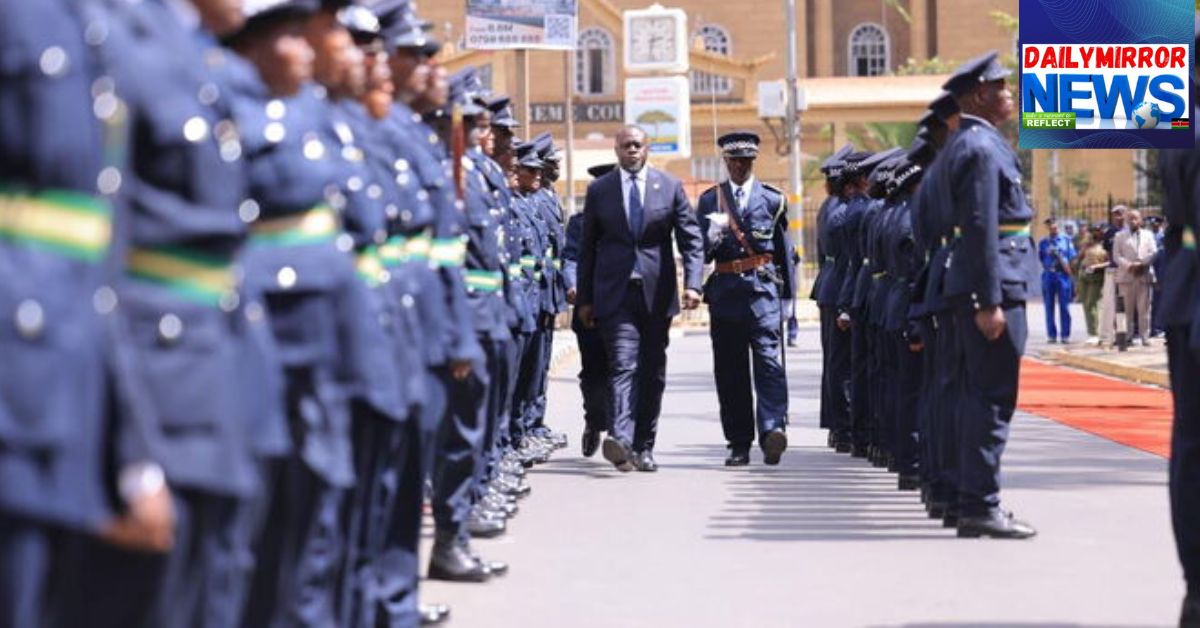
Governor Sakaja Dismisses Arrest Plans as Unwarranted Drama, Calls for Dialogue
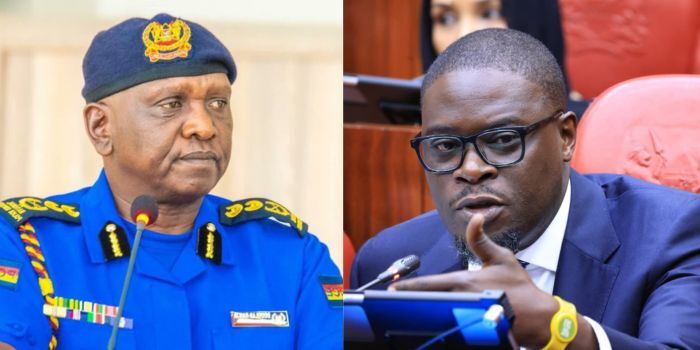
The remarks come amid heightened tensions following a directive linked to Inspector General of Police Douglas Kanja to effect the governor’s arrest over alleged failure to honour a summons issued by the Senate County Public Accounts Committee (CPAC).
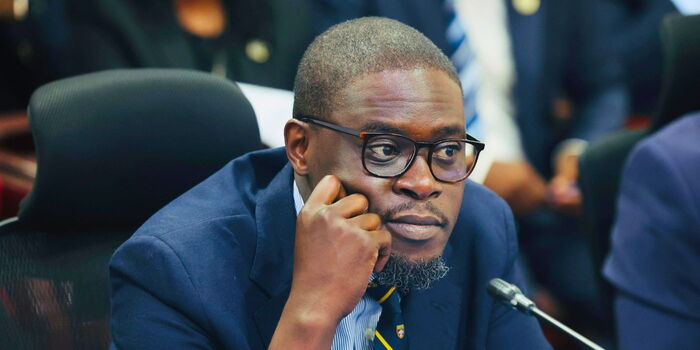
“The issue at hand is not a personal matter concerning Governor Sakaja Johnson but one that is being handled collectively by the Council of Governors,” he stated.
The arrest directive follows a resolution by the Senate watchdog committee, which last week fined the governor KSh500,000 and ordered his arrest for failing to appear before it. The committee had summoned Sakaja to respond to queries arising from an Auditor General’s report that flagged alleged irregularities within Nairobi County’s financial management.
However, Sakaja argued that the enforcement action failed to take into account a collective decision by governors to temporarily suspend appearances before the Senate oversight committee. According to him, the boycott stems from unresolved concerns regarding the committee’s conduct and its approach to oversight.
“It is therefore misleading to single out one Governor in a matter that is collective and consultative in nature,” Sakaja said, questioning what he termed as selective enforcement.
Sakaja further defended his record of cooperation with oversight bodies, pointing out that he has consistently engaged with various Senate committees in the past. He cited recent appearances before the Senate Lands and Environment Committee and multiple engagements with CPAC on audit issues dating back several years.
“I have always honoured invitations to appear before Senate committees and remain committed to doing so within the confines of the law,” he added.
The dispute highlights growing friction between the Senate and county governments over oversight roles, accountability mechanisms, and the interpretation of constitutional mandates. Governors have previously accused senators of overreach, while the Senate has maintained that it is exercising its constitutional duty to safeguard public resources.
Political analysts warn that the standoff could have wider implications for devolution if not resolved through structured engagement. The Senate’s oversight function remains a key pillar of accountability, particularly in light of increasing scrutiny over county spending and governance.
Sakaja urged all parties to adopt a more conciliatory approach, warning against what he described as escalation through arrests and intimidation.
“Disputes of this nature should be resolved through dialogue and institutional frameworks, not through actions that risk deepening divisions,” he said.
As the situation unfolds, attention now turns to whether both sides will engage in talks to defuse the standoff or continue on a collision course that could test the balance of power between Kenya’s devolved units and the national legislature.
ALSO READ: Ruto Unveils Measures to Shield Kenyans from Fuel Crisis
Governor Sakaja Dismisses Arrest Plans as Unwarranted Drama, Calls for Dialogue
