


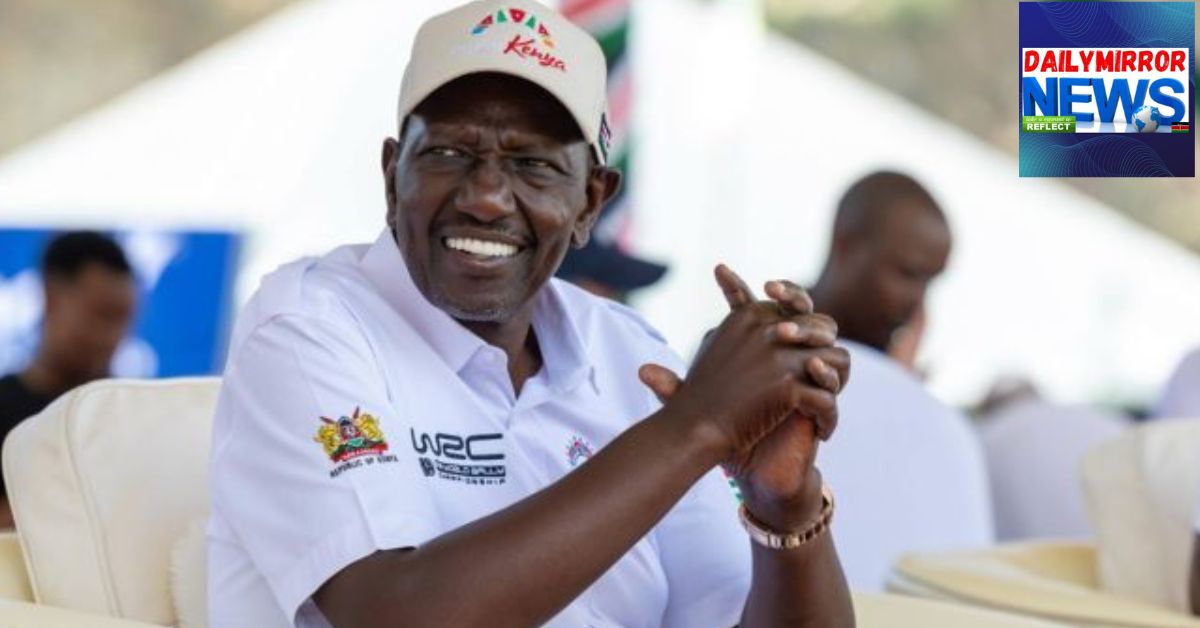
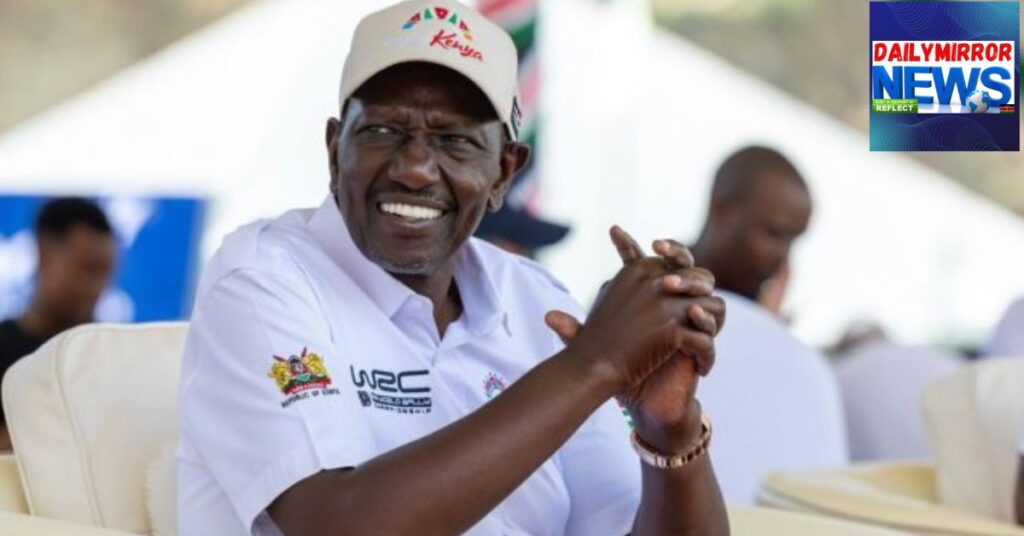
Ruto Confirms Transition of World Rally Championship in Kenya to Private Sector
Speaking in Naivasha on Sunday, March 15, during the closing ceremony of this year’s rally, the Head of State said the event will transition fully to private sector sponsorship and promotion beginning in 2027.
“This is the last Safari Rally where we will be spending public money to promote. From next year, this event will be fully funded and supported by the private sector,” Ruto declared to spectators, teams, and officials gathered at the lakeside town.
Ruto said funds previously allocated to the competition will instead be redirected toward grassroots development.
“The resources we have as a government will now be used to promote sports in our schools and other spheres,” he added, emphasising the administration’s focus on nurturing young talent and expanding sports infrastructure nationwide.
The policy shift follows earlier moves by the Ministry of Sports to involve corporate sponsors more heavily in organising the event. Prior to the 2026 rally, the ministry announced that it had signed agreements with private entities to play leading roles in coordination and financing, with the aim of reducing the government’s financial burden.
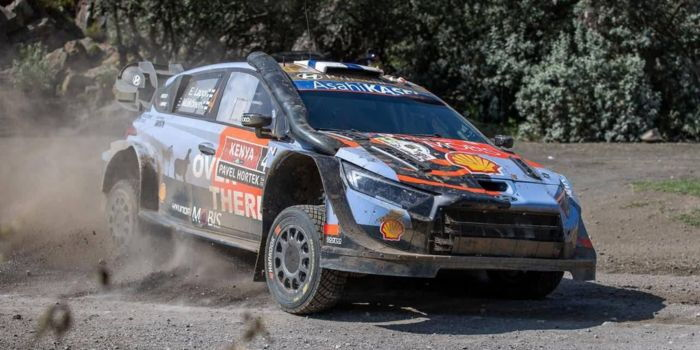
Kenya rejoined the WRC calendar in 2021 after a 19-year absence, reviving an event long celebrated for its rugged terrain, unpredictable weather, and demanding conditions that test both drivers and machines. Since then, the rally has regained its reputation as one of the toughest and most iconic rounds in global rally racing.
The current hosting agreement between Kenya and the FIA runs through 2026. Initially signed for five years, the deal was later extended by one additional year. However, officials have indicated that negotiations are underway for a further extension that could secure Kenya’s place on the WRC calendar for another five years.
Ruto’s announcement comes at a critical time, as the long-term future of the event in Kenya depends not only on contractual agreements but also on sustainable funding models.
Economists note that while hosting the rally requires significant investment in logistics, security, infrastructure, and environmental management, it also generates substantial economic benefits. Traders, hoteliers, transport operators, and small businesses—particularly in Nakuru County—report surges in revenue during rally season.
Tourism stakeholders say the event attracts thousands of international visitors, media coverage, and motorsport enthusiasts, positioning Kenya as a premier adventure destination.
Local residents in Naivasha and surrounding areas also benefit from temporary employment opportunities linked to event operations, hospitality services, and merchandise sales.
Despite the funding shift, the government says it will continue providing policy support, security, and infrastructure to ensure the rally’s success.
“Our role will be to create an enabling environment while allowing the private sector to lead,” a senior sports official said on the sidelines of the event.
As Kenya seeks to retain its place on the global motorsport map, the move marks a new chapter for the Safari Rally—one that could redefine how major international events are hosted in the country while balancing public spending priorities with economic opportunities.
ALSO READ: Injuries Reported as Violent Clashes Erupt Over Land Dispute in Muhoroni Border
Ruto Confirms Transition of World Rally Championship in Kenya to Private Sector
