


JKIA Expansion to Kick Off Under New National Infrastructure Fund, Ruto Reveals
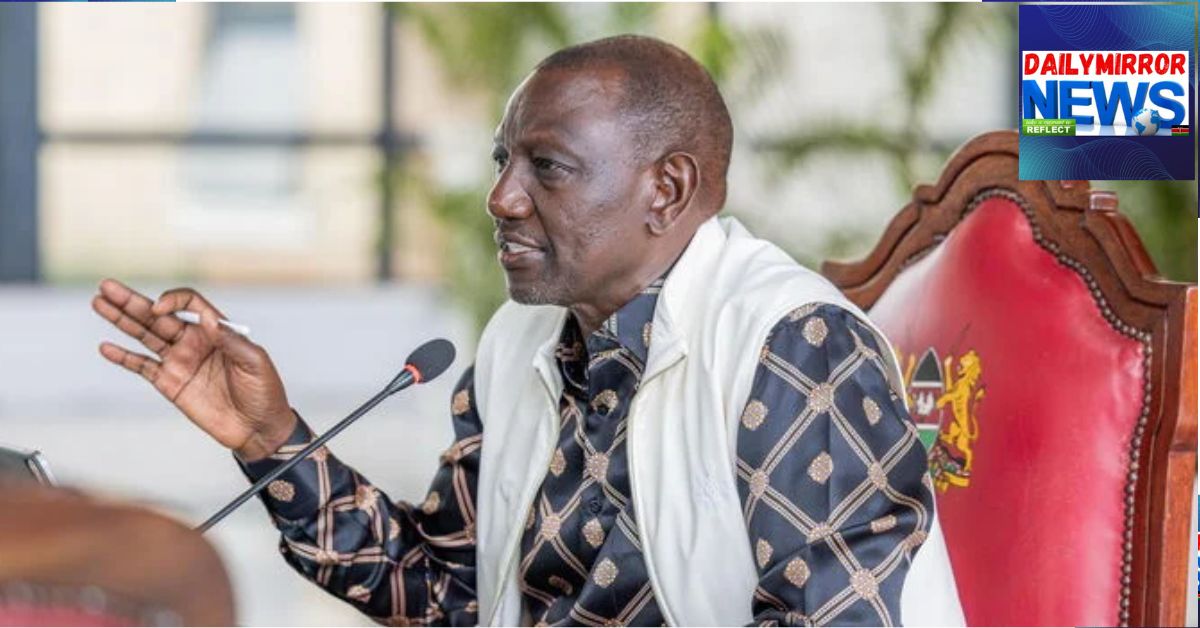
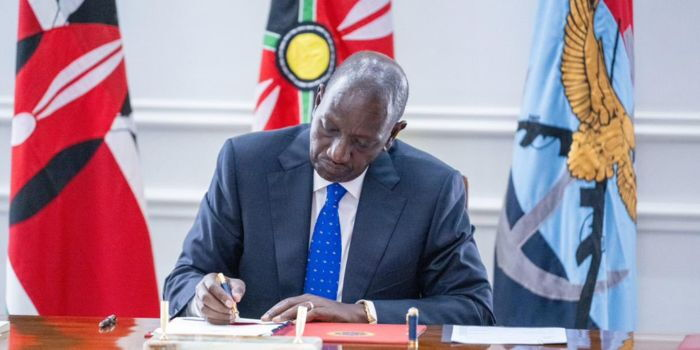
The Head of State made the announcement on Monday, March 9, shortly after signing into law the National Infrastructure Fund Bill, a legislative framework designed to mobilise large-scale funding for infrastructure development across the country.
According to the government, the fund aims to raise more than KSh5 trillion over the next decade to finance strategic projects in transport, energy, logistics, and urban development.
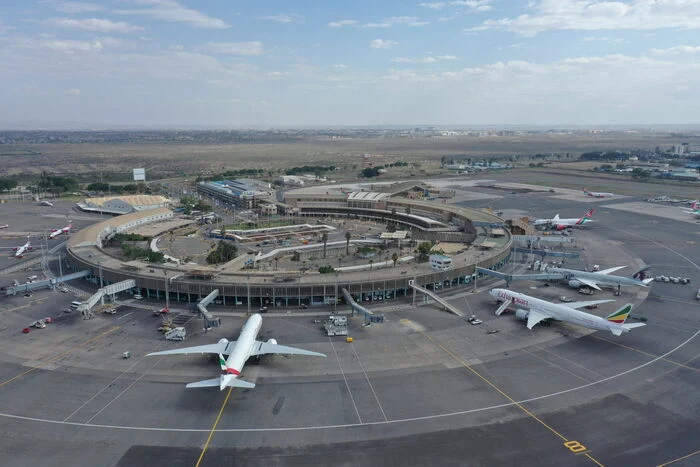
Speaking during the signing ceremony, President Ruto described the expansion of JKIA as a key priority in strengthening Kenya’s position as a regional aviation hub.
“I am pleased to announce that the expansion of JKIA will be the first major project financed under this new model of financing under the National Infrastructure Fund, and I know this looks too good to be real,” the President said.
The airport, located in Nairobi, is the country’s primary international gateway and one of the busiest aviation hubs in East Africa. Opened in 1958, the facility has undergone several upgrades over the decades but continues to face pressure from increasing passenger traffic and cargo demand.
The government hopes the initial capital will attract additional investments from institutional investors to support the airport’s modernisation and capacity expansion.
“We have just announced the contract for the expansion of JKIA, and we will use KSh20 billion from the proceeds of the Kenya Pipeline IPO as the seed money for the expansion of JKIA. Pension funds, insurance companies, and other collectives should use this opportunity to invest,” Ruto added.
Officials say the National Infrastructure Fund has been structured to operate as a corporate entity capable of owning property, entering into contracts, and investing directly in major projects.
The governance structure of the fund will include a seven-member Board of Directors tasked with overseeing its operations and ensuring transparency in the management of public resources.
The board will be chaired by an independent director and will include the Cabinet Secretary for the National Treasury of Kenya, alongside four independent directors and two development banking experts.
Authorities say strict eligibility rules will prevent individuals who have recently held political office or senior government positions from serving on the board, a measure intended to safeguard the fund’s independence.
During the signing ceremony, Treasury Cabinet Secretary John Mbadi outlined the governance and accountability framework that will guide the new institution.
He explained that the fund will operate under a multi-layer reporting system designed to ensure close oversight by both the executive and the legislature.
“We have two levels of management for this fund. The board will be reporting to the CS for Treasury four times in a year, and the CS will report to the Cabinet at least twice in a year. We will also be reporting to the National Assembly at least once a year,” Mbadi stated.
Infrastructure experts say the creation of the National Infrastructure Fund represents a shift toward alternative financing models aimed at reducing reliance on external borrowing while enabling the country to deliver major development projects.
If successfully implemented, the JKIA expansion could significantly increase passenger capacity, improve cargo handling facilities, and strengthen Kenya’s role as a key aviation and logistics hub linking Africa with global markets.
Government officials say additional flagship projects expected to be financed through the NIF will be announced in the coming months as the fund begins operations.
ALSO READ: Sakaja Announces Ngethu Water Treatment Plant as First Project Under Ruto–Nairobi Partnership
JKIA Expansion to Kick Off Under New National Infrastructure Fund, Ruto Reveals
