


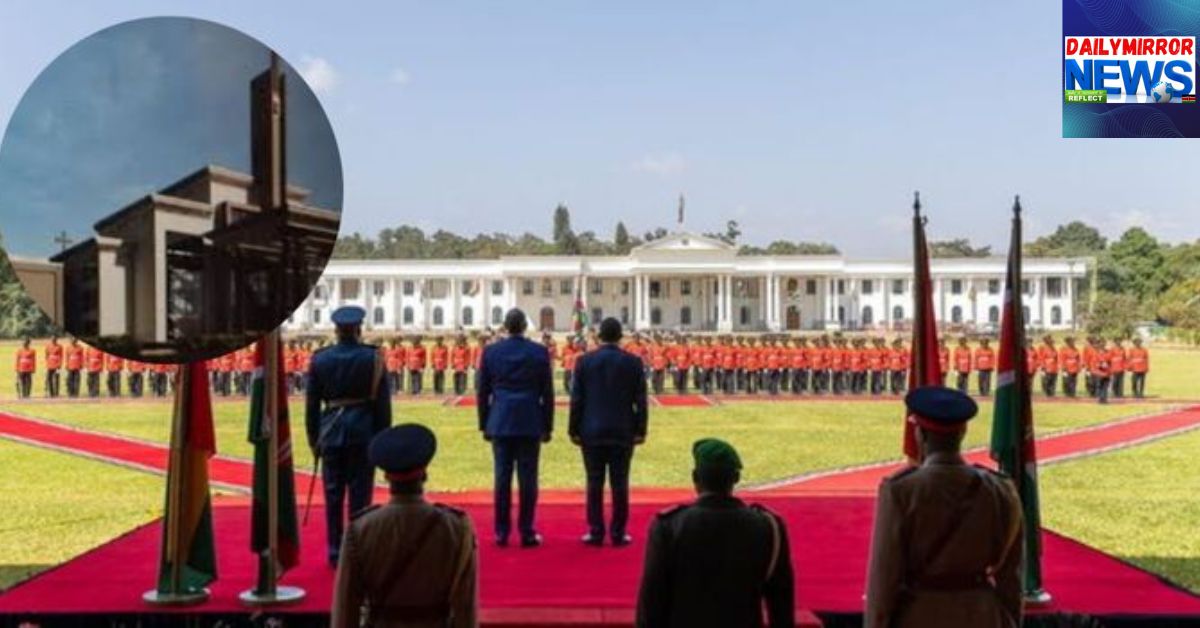
Court Bars Ruto From Building Religious Structures Within State House Premises
The High Court has temporarily stopped President William Ruto from constructing a permanent church inside State House, Nairobi.
Justice Chacha Mwita issued the ruling on Thursday, halting the planned multi-million-shilling project until further notice.
“A conservatory order is hereby issued restraining the government, its officers and or anyone acting on its behalf from constructing a permanent church or building associated with any religious faith within the grounds of State House, Nairobi or any other State House or State Lodges until November 18, 2025,” Justice Mwita ruled.
Petition Raises Tough Questions
According to Justice Mwita, the application raised deep constitutional and legal concerns. He noted that the matter touched on Kenya’s delicate relationship between the State and religion.
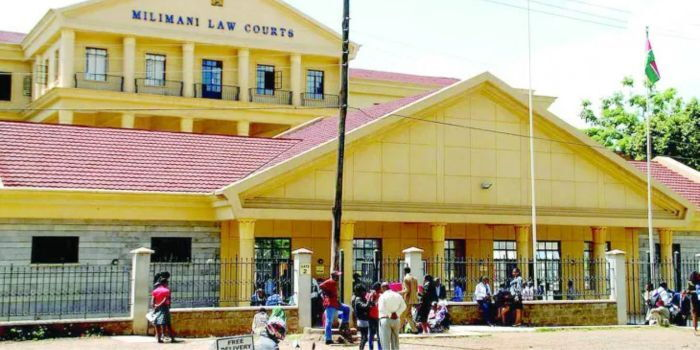
“The petition raises fundamental constitutional and legal questions touching on the State and religion, which require urgent investigation,” he stated.
The court also directed the petitioners to file additional affidavits and submissions within seven days. Respondents and other interested parties were equally given a week to respond.
Justice Mwita warned that anyone who disobeys the conservatory order will face penal consequences.
Ruto’s Controversial Plan
The ruling comes barely two months after President Ruto revealed his plan to construct a modern church within State House grounds.
Speaking on July 4 in Embu County, the Head of State defended his decision.
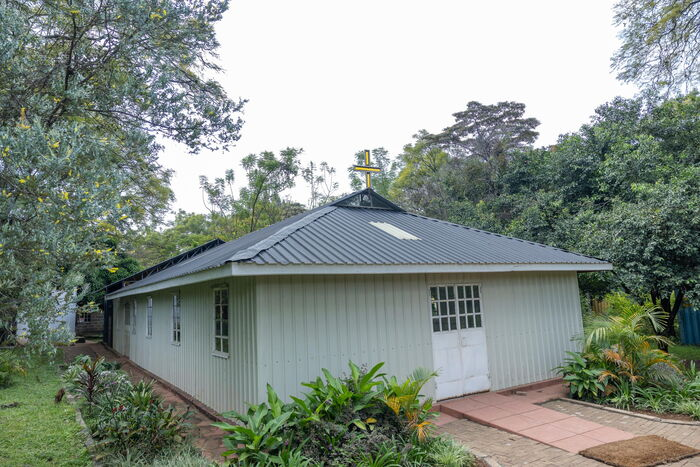
“This new development is only an improvement of the temporary and dilapidated structure previously used by State House officials,” Ruto explained.
The President had insisted that he would personally finance the project, which was expected to feature a massive seating area, frosted glass windows, and prominent crosses.
Heated Reactions
While supporters praised Ruto for his personal commitment to faith, critics argued that the move blurred the line between State and religion.
Many Kenyans took to social media, expressing fears that the project could set a dangerous precedent. Others, however, insisted that since the President planned to fund it privately, he should not face restrictions.
What Next?
The case is now headed for a full hearing, with both petitioners and government lawyers expected to present detailed submissions.
Kenyans will watch closely as the court navigates one of the most sensitive constitutional debates in recent years — the balance between faith and public office.
ALSO READ: Ruto Warns Harambee Stars Players Against Trading Affordable Houses
Court Bars Ruto From Building Religious Structures Within State House Premises
