



Ruto Signals Major HELB Reforms in Bid to End Student Funding Crisis
Speaking during the National Education Conference in Naivasha on Thursday, May 7, the Head of State acknowledged the long-standing frustrations faced by university and college students due to delays and uncertainty surrounding financial support.
The President said the government was now working on structural reforms that would ensure students receive funding in a more reliable and equitable manner.
Ruto stated, “We want to sort out HELB so that we can have clarity, and I have instructed Monari, together with my team, giving them some assignment that we must finally end up with predictable resources.”
The remarks come at a time when thousands of students across the country continue to grapple with delayed loan disbursements, tuition challenges, and uncertainty over the future of higher education financing.
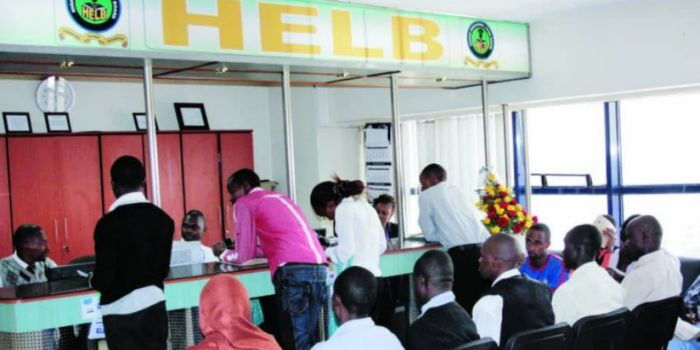
President Ruto admitted that previous funding structures placed more emphasis on institutions rather than the individual learner, a situation he said the government was now seeking to correct.
The President explained, “We had very serious challenges with the funding model that was more focused on the institution than the learner, and we have corrected that.”
The proposed reforms are expected to significantly reshape the way government support is distributed to university and Technical and Vocational Education and Training (TVET) students.
According to Ruto, digitisation will also help eliminate bureaucratic bottlenecks that have historically slowed down decision-making and delayed payments to students.
He added, “We will also digitise the whole system so that we improve on transparency, making it easy for decision making.”
Education stakeholders have long called for reforms within HELB, arguing that the current system has struggled to keep pace with the rising number of students joining universities and colleges every year.
The government has already introduced a mixed funding model that combines scholarships, loans, and family contributions based on a student’s financial background.
Under the revised approach, students classified as highly vulnerable receive a larger share of scholarships and loan support, while those from financially stable households are expected to contribute more toward their education costs.
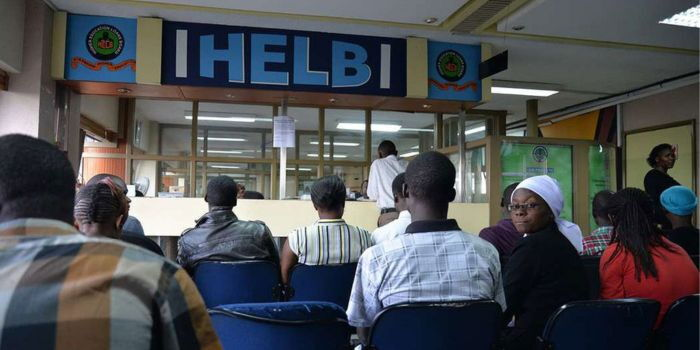
Despite the reforms, the funding model has continued to spark debate, with some student groups and education experts questioning its implementation and fairness.
Critics have particularly raised concerns about the categorisation process used to determine levels of need, arguing that some deserving students may still be left out.
Meanwhile, the Treasury has proposed an allocation of Ksh87.6 billion toward scholarships and student loans in the 2026/27 financial year, signalling the government’s intention to continue investing heavily in higher education financing.

The reforms are also expected to play a key role in supporting the government’s broader education agenda, especially as the country transitions toward a more skills-driven and competency-based economy.
ALSO READ: Germany Opens Scholarship Opportunities for Kenyans With Ksh106,000 Monthly Stipend
Ruto Signals Major HELB Reforms in Bid to End Student Funding Crisis
