


Ruto Announces Ksh10/kWh Electricity Tariff for SEZ Investors
President William Ruto has announced a preferential electricity tariff of KSh10 per kilowatt-hour (kWh) for investors operating in Kenya’s Special Economic Zones (SEZs).
The President said the lower electricity cost is part of the government’s strategy to reduce production expenses, attract investment and make goods manufactured in Kenya more competitive in regional and international markets.
Ruto made the announcement on Tuesday, September 8, during the signing of an agreement for the development of the Mombasa Special Economic Zone at State House, Nairobi.
He said affordable and reliable electricity would be a key part of Kenya’s industrialisation agenda.
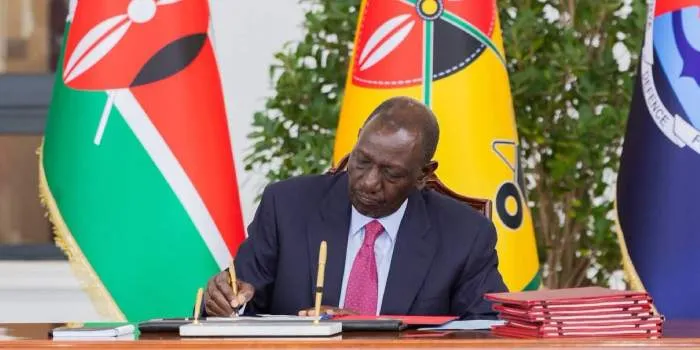
“The government will support this industrial ambition with the infrastructure required to make it competitive. This includes a preferential electricity tariff of KSh10/kWh for special economic zones investors.”
Ruto said the move was aimed at addressing the high cost of production faced by manufacturers and creating a more favourable environment for businesses operating in SEZs.
“Our objective is straightforward: to lower the cost of production so that goods made in Kenya can compete successfully in the region and the global market.”
Government Targets Lower Production Costs
The preferential electricity tariff is expected to benefit manufacturers and other businesses operating within designated Special Economic Zones.
Electricity is one of the major operating expenses for energy-intensive industries, meaning lower power costs could help companies reduce production expenses and improve their competitiveness.
The announcement comes as households and businesses outside the SEZ framework continue to face electricity costs that are considerably higher.
Kenyan consumers have reported paying between KSh20 and KSh28 per kWh, although the actual cost varies depending on consumption levels and monthly regulatory adjustments.
EPRA Charges Affect Electricity Bills
The Energy and Petroleum Regulatory Authority (EPRA) periodically adjusts electricity charges based on several factors, including fuel costs and foreign exchange movements.
In August, electricity consumers faced an additional KSh4.70 per kWh in charges.
The increase was attributed to components including the Fuel Energy Cost Charge, the Foreign Exchange Fluctuation Adjustment and the Water Resource Management Authority levy.
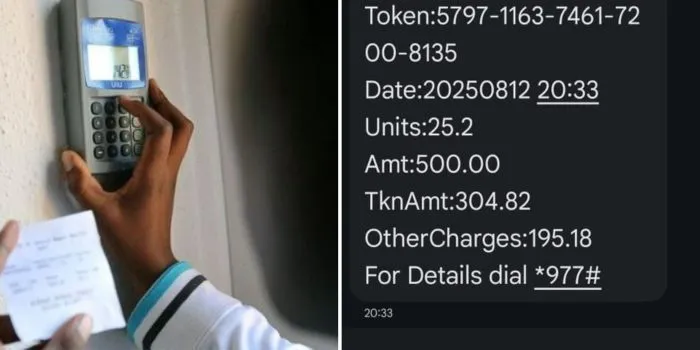
The difference between the general electricity costs and the proposed KSh10 per kWh SEZ tariff is therefore expected to be significant for qualifying investors.
The government hopes the preferential rate will encourage more manufacturers to establish operations within SEZs and expand production for both domestic and export markets.
Mombasa SEZ Development
The Mombasa Special Economic Zone will be developed in phases, with the first phase covering approximately 40 hectares.
The first phase is expected to be completed within six months.
Its proximity to the port could help businesses reduce the time and cost involved in transporting raw materials and finished products.
The government also expects the zone to strengthen Kenya’s position as a regional manufacturing and logistics hub.
Ruto Pushes Industrialisation Agenda
The KSh10 per kWh electricity tariff forms part of the broader government push to promote local manufacturing and attract private investment.
The administration has increasingly focused on lowering the cost of doing business, expanding industrial capacity and increasing the production of goods for export.
The government will now be expected to provide further details on the eligibility criteria and implementation of the preferential tariff for SEZ investors.
ALSO READ: KRA Directs Kenyans to File Tax Returns by April 30 From 2027
Ruto Announces Ksh10/kWh Electricity Tariff for SEZ Investors
