


President Ruto Intervenes as Nairobi Hospital Faces Board and Operational Disputes
In a statement issued on Monday, March 16, State House spokesperson Hussein Mohammed confirmed that the Head of State had been briefed on the crisis and had directed that all actions taken be transparent and lawful.
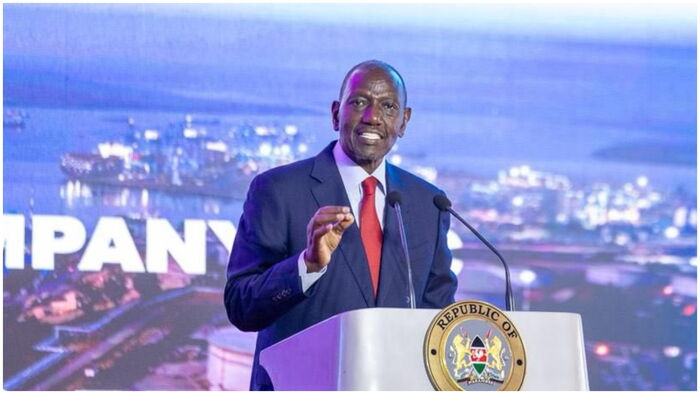
“President Ruto has been briefed on the challenges affecting Nairobi Hospital. He directs that all processes be conducted transparently to safeguard patient care, staff, and the institution’s long-term stability,” the statement read.

Mounting Pressure From Stakeholders
According to State House, the President’s intervention followed a wave of complaints from stakeholders, including medical staff, members of the hospital’s governing body, and patients. Many expressed fears that ongoing disputes could disrupt services at the facility, which handles thousands of patients each month.
The hospital is operated by the Kenya Hospital Association (KHA), a company limited by guarantee rather than shareholders, meaning it is structured as a membership-based institution rather than a profit-driven corporation.
“Over the past several months, President William Ruto has received written memoranda and representations from stakeholders of the Kenya Hospital Association, including doctors affiliated with Nairobi Hospital, members of the Association, and patients currently receiving care at the facility, seeking support in addressing governance, financial and operational challenges affecting the hospital,” the statement added.
Observers say the appeals highlighted fears that prolonged instability could undermine clinical governance, staff morale, and the hospital’s financial sustainability.
Rumours of Takeover Dismissed
State House firmly dismissed those claims, emphasizing that the intervention was supervisory rather than executive.
“The President’s direction is to allow all institutional processes to follow the law, protect staff, and guarantee uninterrupted service to patients,” the spokesperson said.
Officials stressed that the government does not intend to interfere with the hospital’s governance structures or influence board appointments.
Investigations and Legal Actions
Efforts to resolve the crisis have included high-level consultations led by Felix Koskei, Chief of Staff and Head of Public Service, who has facilitated meetings between rival factions and key stakeholders.

In addition, the Attorney General invoked Section 800 of the Companies Act to appoint inspectors to examine the affairs of the Kenya Hospital Association following formal petitions.
On Monday, prosecutors filed criminal charges against several doctors associated with the management of KHA, intensifying scrutiny of the hospital’s leadership.
Clarification From Health Ministry
Health Cabinet Secretary Aden Duale also addressed the issue, clarifying that the hospital’s legal structure prevents acquisition or privatization in the conventional sense.

Analysts say this structure is designed to ensure the institution operates primarily for public benefit rather than profit, though it also complicates governance disputes.
Balancing Stability and Autonomy
The Nairobi Hospital, founded in 1954, is widely regarded as a referral centre for complex medical cases and serves both local and international patients.
Government officials maintain that the priority is to restore stability while preserving the hospital’s independence.
“The focus remains on safeguarding uninterrupted healthcare services and protecting the institution’s integrity,” a senior official said.
ALSO READ: MOJA Expressway Issues Warning Over Overloaded Vehicles on Nairobi Expressway
President Ruto Intervenes as Nairobi Hospital Faces Board and Operational Disputes
