



Police to Wear Bodycams During Protests to Boost Transparency – CS Musalia Mudavadi
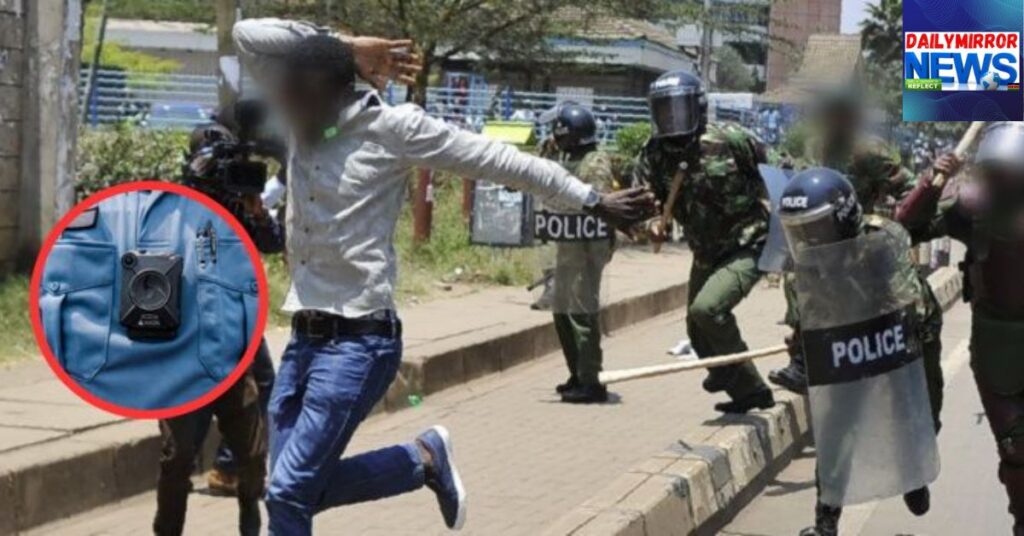
In a bold shift towards accountability, Prime Cabinet Secretary Musalia Mudavadi has announced that police officers will soon be equipped with body-worn cameras during public protests. The move, he said, is aimed at boosting transparency, professionalism, and public trust in the National Police Service.
Speaking during a candid interview on TV47, Mudavadi said the government had revived earlier plans to acquire and deploy the technology, with a specific focus on documenting police conduct and identifying troublemakers during demonstrations.
“The intention is to equip police with body cameras to identify the real provocateurs in demonstrations,” he revealed.
He emphasized that the cameras would offer a clear, unbiased record of events on the ground—something that has been missing amid claims of police brutality and violent clashes during recent protests.
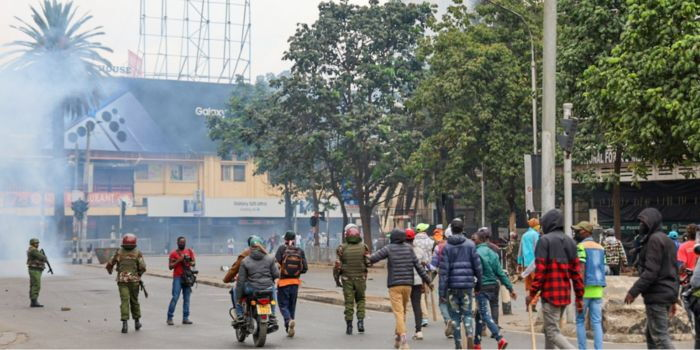
“This will provide clarity on who instigates violence—whether it is the protesters or officers,” he stated.
Cameras for Accountability, Not Just Surveillance
While the plan seems long overdue, Mudavadi was quick to point out that implementation won’t be rushed. The procurement and integration of the cameras will require systematic planning, significant investment, and a proper budgetary process.
“This initiative needs to be systematic and properly funded. It is not just about buying equipment but ensuring it is integrated into a broader accountability framework,” he added.
His remarks come just days after countrywide demonstrations led by Gen Zs and civil rights activists left dozens dead and hundreds injured—many allegedly shot or beaten by law enforcement. Videos shared on social media showed officers firing live bullets at unarmed youths, sparking national and internationAal outrage.
Defending the Police, But Pushing for Reform
Although Mudavadi acknowledged the public outcry, he also came to the defense of the police force, insisting the government has invested in professional training and expects officers to act with discipline and integrity.
“Our police officers receive consistent training. We expect them to uphold professionalism at all times,” he asserted.
However, he didn’t shy away from addressing deeper political tensions. Without naming names, he accused certain individuals of trying to destabilize the country.
“There are people who have attempted, and they continue to attempt, to engineer unconstitutional processes of trying to get to power,” he warned.
Call for Dialogue Over Destruction
As the country remains on edge, Mudavadi echoed sentiments expressed by opposition leader Raila Odinga. He called for urgent national dialogue to prevent further polarization and violence.

“The solution is this: if we do not talk to each other, we will graduate to talking at each other. Then from talking at each other to fighting with each other,” he cautioned.
He urged leaders from all walks—religious, political, and civic—to come together and agree on the structure and format of a national conversation.
“We must engage in dialogue. The alternative is far more painful and undesirable,” Mudavadi concluded.
A Step in the Right Direction?
While some see the bodycam initiative as a sign of progress, others remain skeptical. Civil society organizations insist the cameras must not be used selectively or turned off during critical moments.
ALSO READ: Politician Targeted as Armed Gang Storms Migori Church Graced by Governor Ayacko, Farouk Kibet
Police to Wear Bodycams During Protests to Boost Transparency – CS Musalia Mudavadi
