



NCAJ Explores Recovery Treatment Courts and Open Prisons in Bid to Reform Kenya’s Justice System
The proposals emerged during the Council’s 38th meeting, chaired by Chief Justice Martha Koome, where senior officials from the Judiciary, correctional services, prosecution agencies and other justice sector institutions deliberated on long-term strategies to modernize Kenya’s correctional system.
According to a statement released following the meeting, the Judiciary and the State Department for Correctional Services (SDCS) have been tasked with leading technical committees that will examine the feasibility of introducing the two reforms.

“The NCAJ established committees, led by the Judiciary and the State Department for Correctional Services, to explore the establishment of Specialised Recovery Treatment Courts and Open Prisons,” the Council said in a statement.
If implemented, the reforms would represent a significant shift from Kenya’s traditional punishment-based correctional model toward one that places greater emphasis on rehabilitation, recovery and successful reintegration into society.
Recovery Treatment Courts are specialised judicial forums commonly used in several jurisdictions to handle offenders whose criminal behaviour is linked to substance abuse, addiction or other behavioral challenges.
Instead of relying solely on imprisonment, such courts combine judicial supervision with treatment programmes, counseling and structured rehabilitation aimed at addressing the underlying causes of offending.
Justice sector officials believe the model could reduce repeat crime by helping offenders overcome addiction while remaining accountable through continuous court oversight.
“The Committees will assess the feasibility of establishing Recovery Treatment Courts and Open Prisons as innovative approaches to rehabilitation, reduced recidivism, and successful reintegration of offenders into society,” the NCAJ added.
Currently, Kenya’s correctional system is dominated by conventional closed prisons, which are characterized by high perimeter walls, controlled movement and intensive security measures.
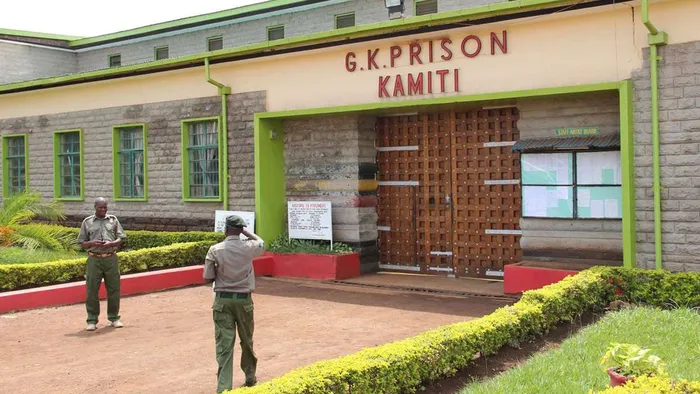
Facilities such as Kamiti Maximum Security Prison, Naivasha Maximum Security Prison, and Shimo La Tewa Prison house inmates serving lengthy sentences, including those convicted of serious offences.
Open prisons, however, operate on an entirely different philosophy.
Unlike maximum-security institutions, they rely on carefully supervised freedom, personal responsibility and trust rather than physical barriers and constant armed surveillance.
In many countries where the model has been adopted, inmates engage in farming, vocational training, industrial work and community-based activities designed to equip them with practical skills before returning to society.
Experts note that open prisons are generally reserved for carefully screened inmates and do not accommodate individuals considered high-risk or convicted of the most serious crimes.
Justice sector stakeholders say the proposed reforms reflect a growing global recognition that successful correctional systems should focus not only on punishment but also on rehabilitation, public safety and reducing repeat offending.
Should the proposals receive legislative and policy backing, Kenya could join a growing number of countries embracing correctional models that prioritize offender recovery, reintegration and community safety while easing the burden on an increasingly congested prison system.

ALSO READ: Parliament Reviews Bill That Could Fast-Track Foreclosure of Affordable Housing Loans
NCAJ Explores Recovery Treatment Courts and Open Prisons in Bid to Reform Kenya’s Justice System
