



Mixed Reactions as North Eastern Journalists Cancel Interview With Gachagua
A planned roundtable interview between former Deputy President Rigathi Gachagua and a group of journalists from Northern Kenya has been abruptly cancelled, triggering a nationwide debate on media ethics, freedom of expression, and the role of journalism in politically charged times.
The cancellation was announced in a statement issued on Thursday, January 22, by the Northern Kenya Media Practitioners, an umbrella body representing journalists from the region. The group said the decision followed internal consultations and was guided by principles of responsible journalism, national cohesion, and the need to promote constructive public discourse.
“It is with deep regret that we inform our esteemed audience of our collective decision to terminate the planned roundtable interview scheduled with Hon. Rigathi Gachagua,” the statement read.

The journalists explained that their decision was influenced by what they described as increasingly divisive public rhetoric attributed to the former deputy president. They argued that proceeding with the interview risked undermining efforts to foster unity and peace in a country still grappling with political and ethnic polarisation.
“We have been closely following the recent public statements and rhetoric, which have increasingly been characterised as divisive, often emphasising ethnic and regional divisions,” the statement added.
According to the media practitioners, there were concerns that the interview could have devolved into a platform for unverified claims or personal attacks against individuals and institutions, without sufficient evidence or opportunity for rebuttal. They further stated that there was no firm assurance from Gachagua’s team that the discussion would remain respectful, factual, and focused on substantive national issues.
“Our commitment remains to uphold ethical journalism, promote informed debate, and safeguard peace and cohesion in society,” the group said, emphasising that the decision was not personal but guided by professional considerations.
The development, however, has sparked sharp and mixed reactions across the country, particularly on social media, with critics accusing the journalists of bias and selective application of journalistic standards. Some commentators argued that cancelling the interview amounted to silencing a political voice, regardless of how controversial it may be.
Prominent lawyer Ahmednasir Abdullahi was among those who criticised the move, accusing the journalists of curtailing Gachagua’s right to be heard by Kenyans.
“If you don’t like what Riggy G says or stands for, it doesn’t mean you curtail his right to speak,” Ahmednasir said. “You can’t accuse him of intolerance and then be this intolerant. Riggy G has the right to be heard by all Kenyans.”

The controversy also drew reactions from within the media fraternity. TV47 news anchor Abubakar Abdullahi described the cancellation as a troubling precedent that could undermine journalistic professionalism.
“To deny Rigathi Gachagua an opportunity to address the North Eastern audience is unprecedented and totally unprofessional,” Abdullahi said. “This is a mockery of journalism.”
Others, however, defended the journalists’ decision, arguing that media houses and practitioners have a responsibility to ensure their platforms are not used to inflame tensions or spread unsubstantiated allegations, particularly in a politically sensitive environment.
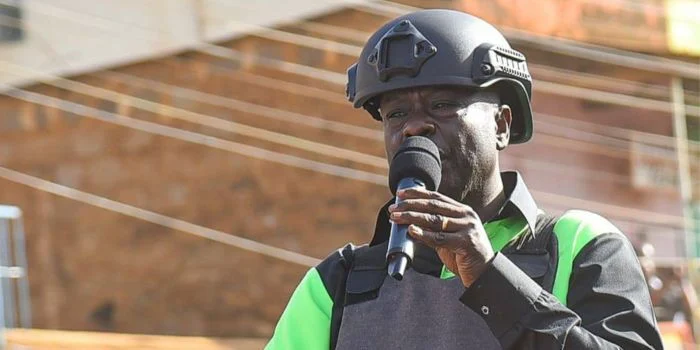
Gachagua, who was impeached as deputy president in 2024, has remained an influential and controversial political figure, often making headlines with his remarks on national politics, regional power dynamics, and governance. His supporters say he is being unfairly targeted, while critics accuse him of deepening divisions.
The incident has reignited a broader conversation about the balance between freedom of expression and responsible journalism, especially as Kenya edges closer to the 2027 General Election. As political temperatures continue to rise, media organisations are increasingly finding themselves at the centre of difficult editorial decisions that test the boundaries of neutrality, access, and accountability.
ALSO READ: Fires Around Mt Longonot Confirmed as Bushfires, Not Volcanic Eruption
Mixed Reactions as North Eastern Journalists Cancel Interview With Gachagua
