


KNEC Begins Phased Payments for 2025 Exam Officials Amid Lingering Delays
The move follows months of mounting pressure from education stakeholders, with many contracted professionals raising concerns over unpaid dues tied to one of the country’s most critical academic exercises.
According to the Ministry of Education, the payments will be released in stages due to existing financial constraints, meaning not all beneficiaries will receive their allowances simultaneously.

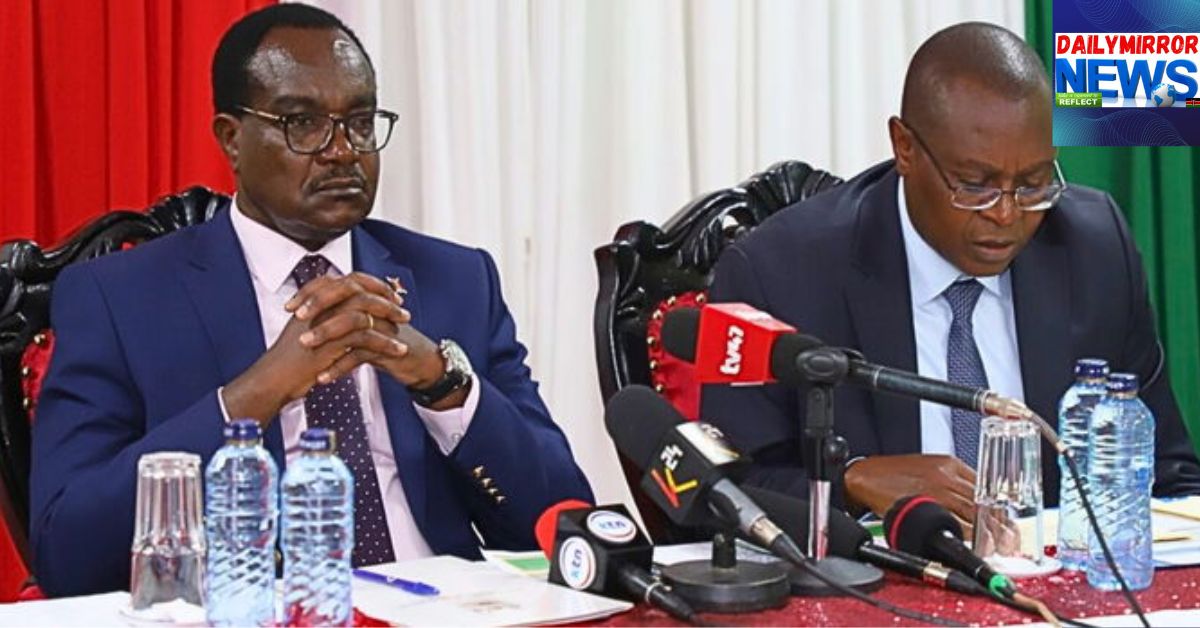
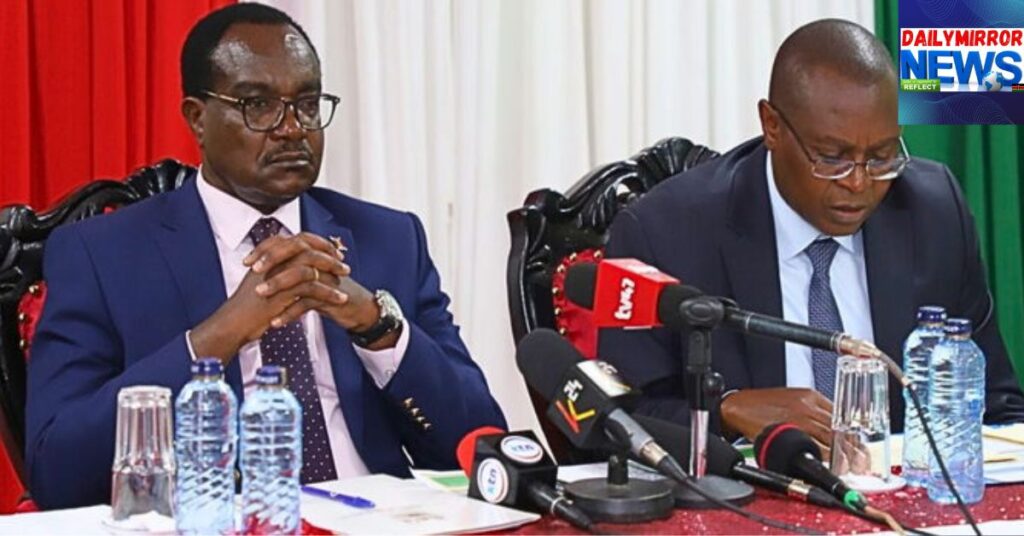
Speaking in Uasin Gishu County, the Principal Secretary in the Ministry of Education, Julius Bitok, acknowledged the delays and assured affected personnel that the government had taken steps to address the issue.
Bitok stated, “I went to the State House and explained to President William Ruto that teachers are crying due to delayed KNEC payments. He called the Treasury, directing them to find a quick solution.” His remarks highlight the level of concern that had escalated within the education sector.
He added, “I want to assure teachers that they will be paid in the next few weeks before the end of this month.”
The payments cover a broad range of personnel, including teachers who served as invigilators, supervisors, examiners, and centre managers, as well as security officers and drivers who supported the examination process across the country.

Despite the progress, a significant number of teachers are yet to receive their allowances, with estimates indicating that KNEC requires at least Ksh1.5 billion to fully settle all outstanding payments.
The delays have not only caused financial strain among teachers but have also raised concerns about the sustainability of the examination system, which relies heavily on the goodwill and participation of educators nationwide.
Further complicating the process are technical challenges linked to payment systems. KNEC officials have identified discrepancies in registration details as a key factor contributing to delayed disbursements.
These include mismatches between CP2 portal registration information and mobile money account names, inconsistencies in national identification and Teachers Service Commission (TSC) numbers, as well as incomplete or unsigned attendance records.
To address these issues, affected teachers have been advised to update their information on the CP2 portal. This includes creating new accounts where necessary, ensuring that mobile money details match national ID records, and verifying all personal information.
Centre managers have also been directed to download attendance registers from the system, confirm the accuracy of the details, and submit signed and stamped copies through the relevant Sub-County Director of Education offices for onward transmission to KNEC.
Education stakeholders note that while the phased payments signal progress, the delays have underscored systemic challenges in managing large-scale examination logistics and compensating personnel in a timely manner.
The situation has reignited calls for reforms in how exam officials are recruited, managed, and paid, with some proposing the introduction of more efficient digital systems and dedicated funding frameworks to prevent similar delays in future.
As the phased payments continue, attention will remain on whether the government can clear the backlog within the promised timeline and restore confidence among education professionals who play a critical role in maintaining the integrity of Kenya’s national examinations.
ALSO READ: Suluhu Questions Ruto Over Dangote-Linked Oil Refinery, Says She Never Approved
KNEC Begins Phased Payments for 2025 Exam Officials Amid Lingering Delays
