



Kenyan Shilling Gains Marginally Against U.S. Dollar as CBK Projects Inflation to Hit 6.2% by July
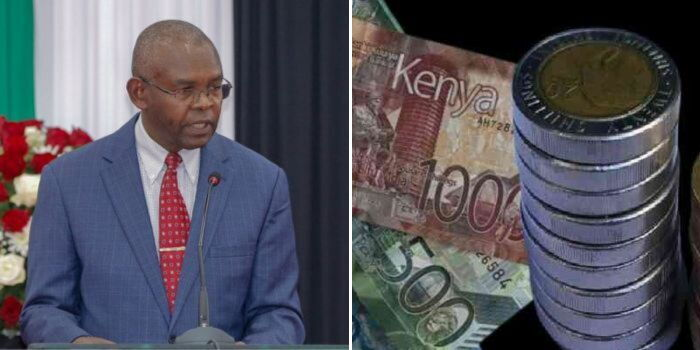
The Kenyan shilling posted a modest gain against the U.S. dollar this week, offering a sign of resilience in the face of global economic headwinds, even as the Central Bank of Kenya (CBK) warned of rising inflationary pressures driven by escalating global oil prices.
The central bank attributed the currency’s steady performance to a combination of factors, including sustained foreign exchange inflows, improved investor confidence, and strong reserve buffers.
“The stability of the shilling is supported by diversified foreign exchange inflows, increased confidence in the economy and adequate foreign exchange reserves,” CBK noted.
Kenya’s foreign exchange reserves stood at approximately USD 13.3 billion as of April 9, equivalent to about 5.7 months of import cover. This remains comfortably above the statutory minimum requirement of four months, providing a crucial buffer against external shocks.
The CBK’s Monetary Policy Committee (MPC), which met on April 8, flagged the rising cost of oil as a key risk to the country’s inflation outlook.
“International oil prices have risen sharply and remained volatile due to supply disruptions and elevated uncertainties attributed to the war in the Middle East,” the committee stated.

Kenya’s headline inflation stood at 4.4 per cent in March 2026, up slightly from 4.3 per cent in February, indicating relatively stable price levels so far. The CBK maintains that inflation will remain largely contained in the near term, supported by favourable weather conditions expected to stabilise food prices and a broadly stable exchange rate.
“Inflation is expected to remain anchored, supported by appropriate monetary policy actions and expected stability in food prices,” the MPC added.
Despite this outlook, the central bank cautioned that risks remain, particularly if rising fuel costs trigger broader price increases across sectors such as transport, manufacturing, and food distribution.
“There is a need to monitor any second-round effects of the recent increase in international oil prices on overall inflation,” the committee warned.

As the country awaits the next fuel pricing review, attention will remain on how policymakers balance inflation control with economic growth, amid an increasingly uncertain global environment.
ALSO READ: Police Fire Teargas at Rigathi Gachagua Rally in Kikuyu, Several Injured
Kenyan Shilling Gains Marginally Against U.S. Dollar as CBK Projects Inflation to Hit 6.2% by July
