


Kenya Faces Fuel Supply Disruption as Independent Dealers Threaten to Halt Purchases
In a joint statement issued on Tuesday, October 27, the Petroleum Outlets Association of Kenya (POAK) and the Kenya Independent Petroleum Dealers Association (KIPEDA) warned that the dispute could force petrol stations across the country to close as operators struggle to maintain supplies without incurring losses.
The associations accused some oil marketing companies (OMCs) of charging independent dealers more than the maximum wholesale prices published by EPRA on October 14.
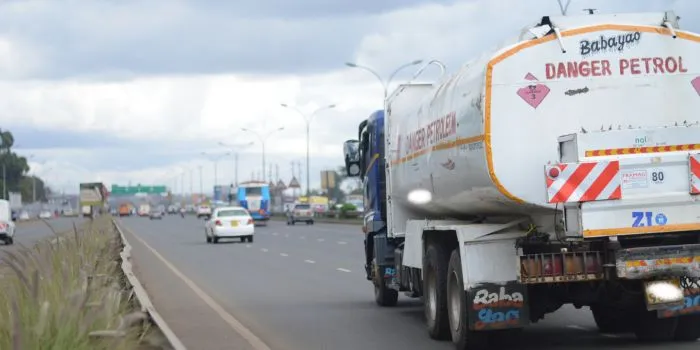
The associations have now advised independent operators to stop purchasing fuel from suppliers charging above the regulated wholesale limits.
“We advise all independent petroleum operators countrywide to immediately suspend the purchase of petroleum products at rates exceeding the gazetted EPRA wholesale limits,” the associations stated.
Independent Petrol Stations Warn of Stock-Outs
The dealers warned that the dispute was already affecting fuel availability at independent stations, raising concerns about possible shortages if the situation continues.
“Independent stations nationwide are facing critical product stock-outs,” the associations warned.
The associations called on EPRA and the State Department for Petroleum to investigate the alleged breaches and take action against companies found to be violating pricing regulations.
They warned that failure to address the complaints could lead to more outlets shutting down, potentially disrupting fuel distribution.
EPRA’s October Fuel Prices
The dispute comes less than two weeks after EPRA announced higher fuel prices for the October 15 to November 14 pricing period, triggering public concern over the rising cost of transport and other essential goods.
Under the published pricing structure, the maximum wholesale prices in Nairobi were set at KSh211.80 per litre for Super Petrol, KSh212.60 for diesel and KSh204.79 for kerosene.
During the October review, EPRA increased the maximum retail prices in Nairobi by KSh12.93 per litre for Super Petrol, KSh9.90 for diesel and KSh28.49 for kerosene.
The resulting pump prices stood at KSh226.96 per litre for petrol, KSh227.76 for diesel and KSh219.87 for kerosene.
The wholesale pricing dispute is separate from the increase in retail pump prices, with independent dealers arguing that suppliers must comply with the applicable wholesale limits.
Suspension of Fuel Stabilisation Mechanism
The price increases followed the government’s decision to suspend the fuel price stabilisation mechanism, which had previously helped cushion motorists against rising international petroleum costs.
EPRA Director General Edward Mwirigi Kinyua explained that the funds would be preserved for future price increases.
Dealers Demand Government Intervention
POAK and KIPEDA are urging the regulator and the State Department for Petroleum to intervene before the dispute escalates into widespread supply interruptions.
The associations have not indicated how long the proposed suspension of purchases would last, leaving uncertainty over the next steps if the complaints remain unresolved.

A prolonged dispute between independent dealers and oil marketing companies could place additional pressure on fuel distribution at a time when consumers are already facing higher pump prices.

ALSO READ: Yvonne Okwara Exits Citizen TV After 8 Years, Announces New Chapter
Kenya Faces Fuel Supply Disruption as Independent Dealers Threaten to Halt Purchases
