


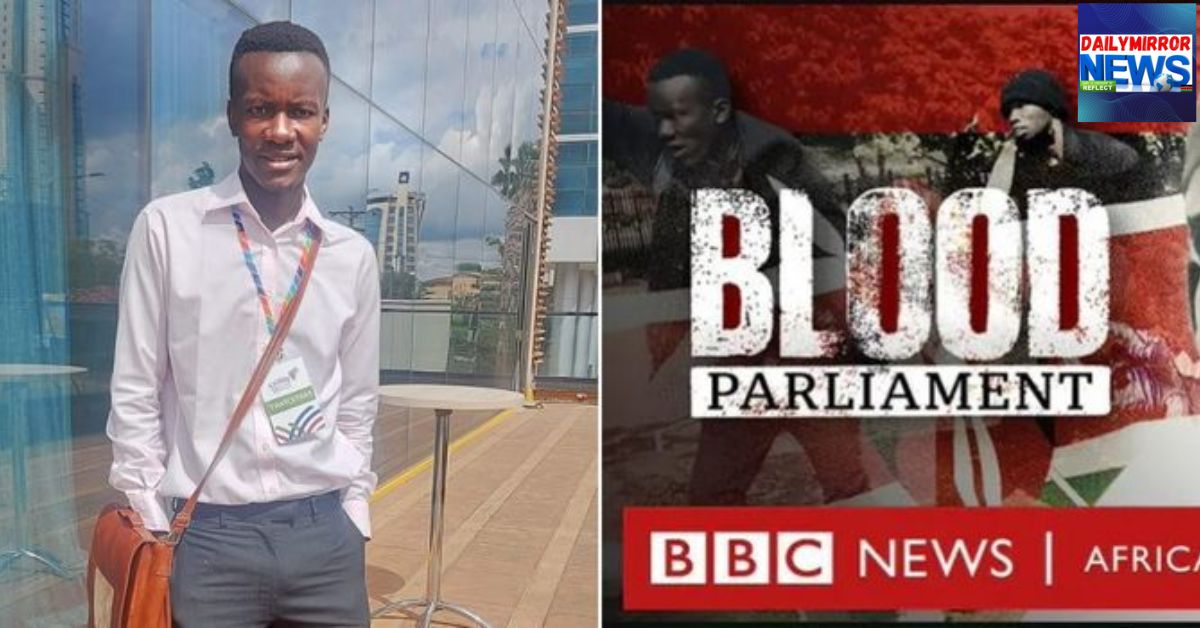
Blood Parliament: Four Filmmakers Arrested Over BBC Documentary
Nicholas Gichuki, Brian Adagala, MarkDenver Karubiu, and Chris Wamae were nabbed in a dramatic swoop at their Karen-based studios. The arrests took place in broad daylight, sparking fear and confusion among their colleagues.
Police whisked them away swiftly. That evening, the four found themselves behind bars at Pangani and Muthaiga police stations. Their business partners broke the alarming news, which their lawyer Ian Mutiso confirmed.
“My clients were arrested and are being held at Pangani and Muthaiga,” Mutiso told reporters.
“Their equipment and hard drives were confiscated during the raid.”
Surprisingly, no formal charges were filed. The reason behind their detention remained murky, fueling speculation across social media and newsrooms.
Raid Sparks Public Outcry on ‘Blood Parliament’ documentary.
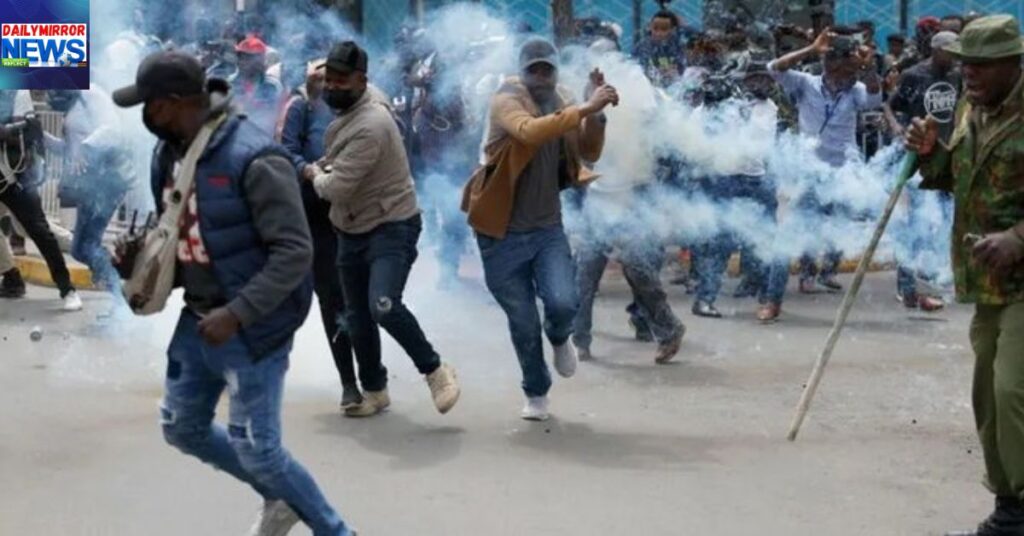
The arrests happened just days after the BBC aired the damning ‘Blood Parliament’ exposé. The hard-hitting documentary revealed disturbing footage from the Gen Z-led protests on June 25, 2024.
In shocking scenes, officers from the National Police Service (NPS) and Kenya Defence Forces (KDF) were seen shooting peaceful protestors. The documentary left viewers horrified and reignited debates on police brutality in Kenya.
Government Reacts Fiercely
Unsurprisingly, the government dismissed the exposé as unfair. Government Spokesperson Isaac Mwaura condemned the documentary as “one-sided.”
“The government is deeply concerned with the issues raised,” Mwaura stated firmly.
“We have officially written to the BBC in London, expressing our reservations about misrepresented facts.”
Mwaura’s comments did little to calm tensions. Many Kenyans saw the arrests as a crackdown on press freedom, intensifying fears of state censorship.
Calls to Ban BBC
Meanwhile, political voices also jumped in. Homa Bay Town MP Peter Kaluma demanded a total ban on the BBC’s operations in Kenya.
“The BBC should be banned from operating in Kenya immediately,” Kaluma declared.
“We cannot allow foreign media to incite chaos in our country.”

What’s Next?
As of Saturday morning, the filmmakers remained in police custody, their fate uncertain. The BBC has yet to comment publicly, but global human rights bodies are already watching the situation closely.
Kenyans now await answers. The arrest of these filmmakers has deepened the nation’s anxiety over rising tension between the government and the media.
ALSO READ:UNHRC Council to Review Kenya’s Human Rights Record Starting May
UNHRC Council to Review Kenya’s Human Rights Record Starting May
