


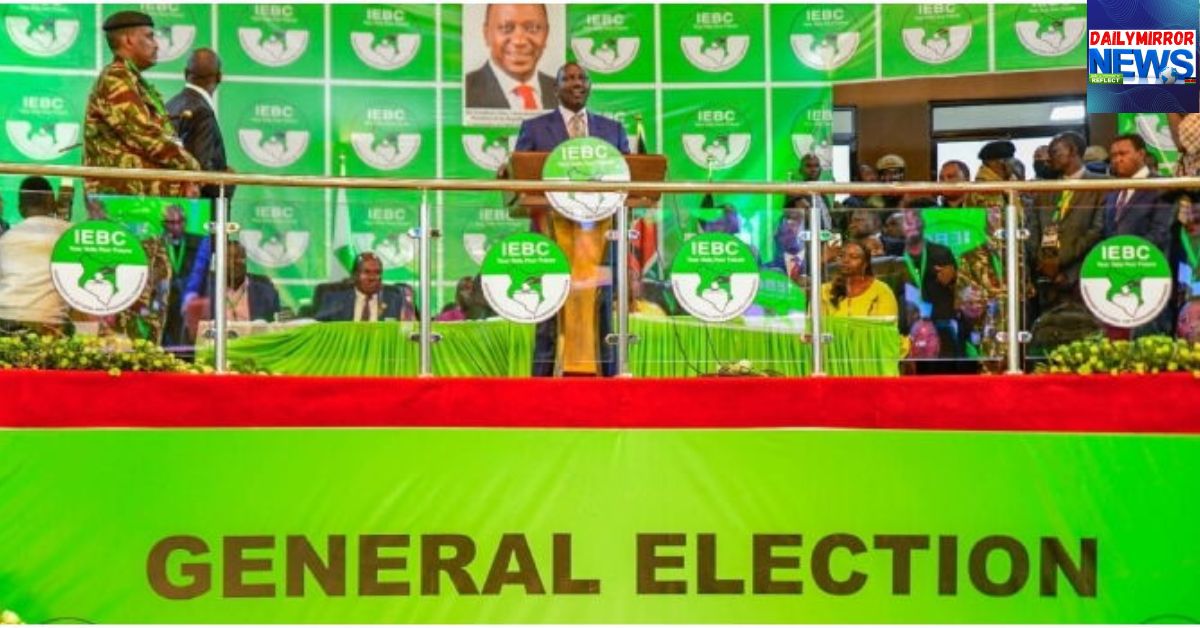
EU Raises Alarm Over Delayed IEBC Reforms And Readiness Ahead of 2027 Polls
The European Union has issued a stern warning about Kenya’s slow pace in implementing crucial electoral reforms. With only two years to the 2027 General Election, the EU says the country risks plunging into a credibility crisis unless urgent action is taken.
In its final report from the European Union Election Follow-up Mission (EU EFM) to Kenya, the EU highlighted significant worries about the Independent Electoral and Boundaries Commission (IEBC).
“Most EU EFM interlocutors raised concerns about the ability of a future commission to operate as an independent body objectively and transparently,” the report read.
The mission painted a grim picture of public trust in the IEBC.

“Public perception of the IEBC is largely negative,” the EU emphasized.
Although President William Ruto recently appointed Erastus Ethekon as the new IEBC chair alongside new commissioners, the EU says the delay in their selection may already have impacted the commission’s ability to prepare effectively for the elections.
Weak and Vulnerable
The EU did not mince words, saying the IEBC remains fragile.
“The electoral management body is viewed as weak and vulnerable to interference from the political establishment,” the report stressed.
This view aligns with growing fears that the IEBC may not have the autonomy or tools to run free and fair elections.
Major Pending Tasks
The EU pointed out several unfinished tasks. These include:
- Nine pending by-elections.
- Overdue constituency boundary reviews.
- Delayed voter registration.
- Absence of a strategic plan with deadlines.
All these pose serious risks to Kenya’s electoral readiness.

Funding Crisis Threatens Credibility
Perhaps even more worrying is the funding shortfall. The IEBC requested Ksh 61 billion (around EUR 435 million) for the 2027 polls. However, the government only allocated Ksh 55 billion (EUR 390 million), to be disbursed over five years.
“To address this funding gap, the IEBC must seek support from development partners, especially for voter education campaigns and training of electoral staff,” the EU urged.
Kenyans Lack Faith in 2027 Elections
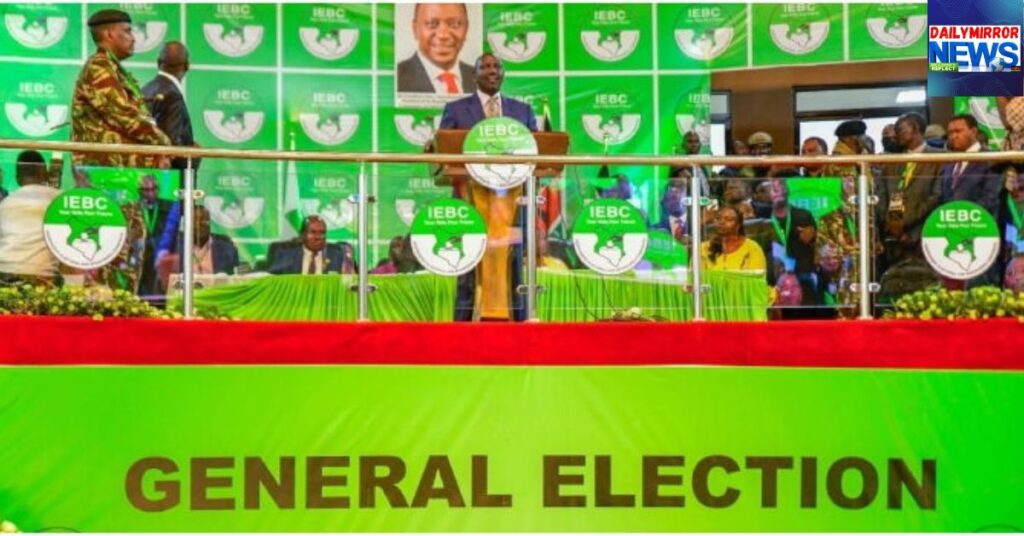
Reasons cited include:
- Political interference.
- Corruption.
- IEBC’s perceived incompetence.
Another 18 per cent feared threats like:
- Insecurity.
- Rigging.
- Refusal by politicians to accept defeat.
- Technological glitches.
Clearly, the clock is ticking — and Kenya must act fast.
ALSO READ: Ruto Defies Court Order, Gazettes IEBC Chair and Six Commissioners Amid Uproar
EU Raises Alarm Over Kenya’s Delayed IEBC Reforms And Readiness Ahead of 2027 Polls
