



Energy CS Opiyo Wandayi Explains Why Fuel Prices May Not Fall Immediately Despite Middle East Stability
Speaking during a televised interview on Monday, June 15, Wandayi said consumers could begin experiencing more substantial reductions in pump prices from August if stability is maintained in the Middle East and the strategic Strait of Hormuz remains fully operational.
Global Stability Could Ease Pressure on Fuel Costs
Wandayi explained that any sustained improvement in oil supply chains and shipping routes would eventually benefit Kenyan consumers, but cautioned against expectations of immediate reductions at petrol stations.

“When the situation in the Middle East stabilises and there is a resumption of normal supply along the Strait of Hormuz, we will be able to see the benefits come down to consumers, but it cannot be instant,” Wandayi stated.
The Strait of Hormuz is one of the world’s most important maritime routes, carrying a significant portion of globally traded crude oil and petroleum products. Any disruption in the corridor often triggers sharp increases in international oil prices, affecting fuel-importing nations such as Kenya.
Recent reports suggesting progress in diplomatic engagements between the United States and Iran have sparked optimism among global energy markets, raising hopes that uninterrupted oil flows could help lower international fuel prices in the coming months.
According to energy analysts, stability in the region could improve supply predictability and reduce the risk premiums that often push up the cost of petroleum products.
How Kenya’s Fuel Pricing Formula Works
The Energy CS explained that Kenya’s pricing framework relies on international benchmark prices from the previous month rather than current market rates.
“Fuel that is discharged in month X is priced against international benchmark prices of X minus one. Therefore, any benefit arising from stability will come to consumers progressively,” he explained.
Industry experts say the approach is designed to provide predictability in pricing and shield the market from sudden fluctuations, although it can also delay the benefits of falling global prices.
Subsidies Continue to Cushion Consumers
According to the CS, any future reductions announced by the government would be calculated from the actual market cost of fuel before subsidies are applied.
“The prices we are currently offering at the pump stations are a result of fuel subsidy. Any reduction will have to come from the actual price, not the subsidised prices,” he said.
His remarks come just days after the Energy and Petroleum Regulatory Authority (EPRA) announced new fuel prices for the June–July review period.
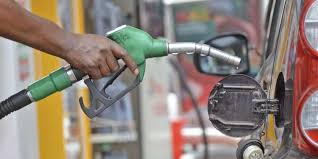
Under the latest review, diesel prices dropped by Ksh10 per litre to retail at Ksh222.86 in Nairobi, while petrol prices fell marginally by Ksh0.22 to Ksh214.03 per litre. Kerosene prices remained unchanged.
Consumers Watching Global Developments Closely
Fuel prices remain a critical issue for households, businesses, and transport operators, given their direct impact on the cost of living and economic activity.

Should stability persist and international crude prices continue trending downward, consumers may finally begin to see more meaningful relief at the pump later in the year, offering a welcome boost to household budgets and business operations across the country.
ALSO RAED: NLC Launches Fresh Land Acquisition Exercise for Ksh9.42 Billion Illasit-Njukini-Taveta Road Project
Energy CS Opiyo Wandayi Explains Why Fuel Prices May Not Fall Immediately Despite Middle East Stability
