


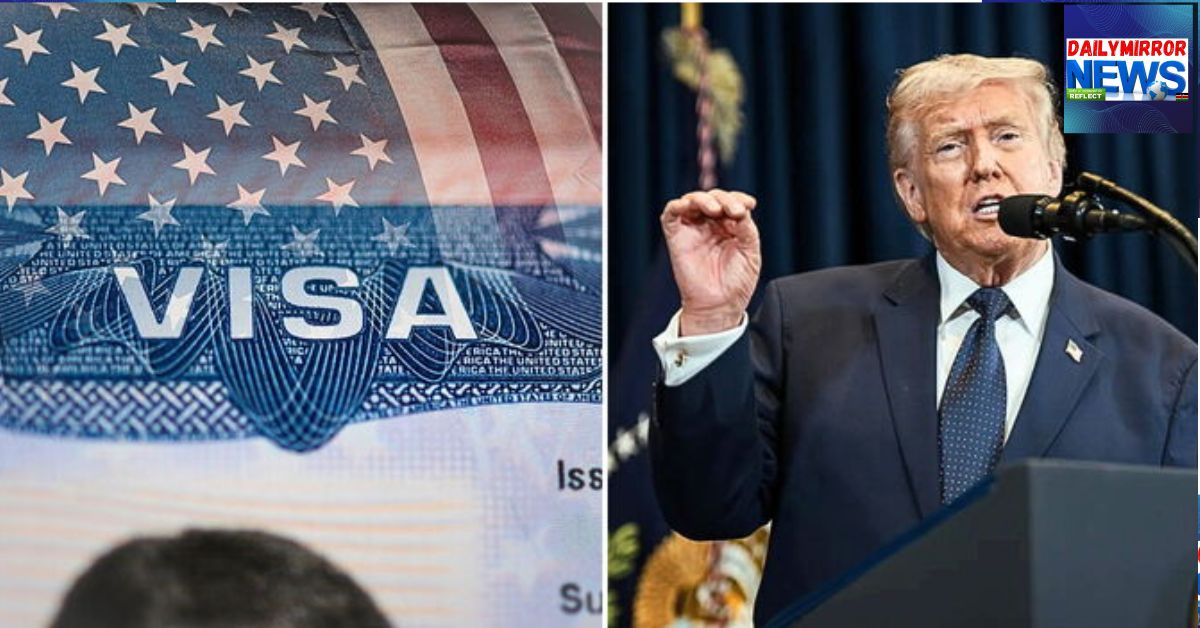
Kenyans in U.S. Face Heightened Scrutiny as Trump Administration Expands Crackdown on Illegal Voting and Immigration Violations
The latest policy guidance directs immigration attorneys to aggressively pursue removal proceedings against individuals found to have violated election laws, even in cases where no criminal conviction has been secured.
According to the directive, attorneys within the Office of the Principal Legal Advisor (OPLA) are expected to invoke immigration laws related to unlawful voting and citizenship fraud to the fullest extent permitted under U.S. law.
“A criminal conviction is not required to invoke these provisions. In light of the importance of these laws and their role in ensuring fair elections, I expect OPLA attorneys to invoke these provisions in removal proceedings to the maximum extent allowed by law,” the directive states.
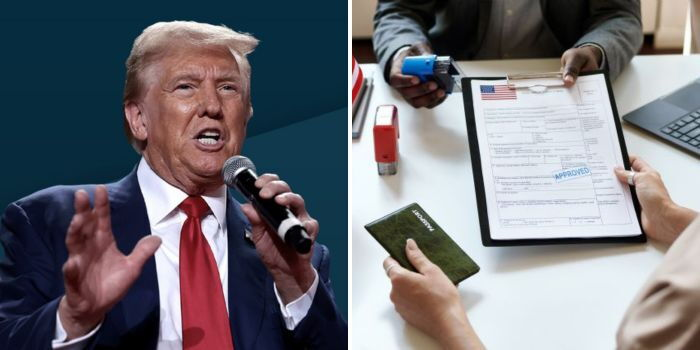
“The importance of free, fair, and honest elections is without question. Illegal voting by aliens dilutes the votes of American citizens and undermines our democracy. It must have consequences,” the directive further states.
The announcement comes just days after the U.S. Department of Homeland Security (DHS) reportedly expanded the number of Kenyan nationals flagged for detention and deportation review.
According to data published in a federal immigration enforcement database, the number of Kenyans listed for enforcement action rose from 15 to 45 within a week.
A review of the records indicates that the listed Kenyan nationals are linked to a range of serious allegations, including drug trafficking, armed robbery, homicide, assault, fraud, money laundering, kidnapping, and child-related offences.

However, the latest directive expands enforcement priorities beyond criminal offences by specifically targeting alleged electoral violations.
Under U.S. immigration law, false claims of citizenship and unlawful participation in federal elections can carry severe immigration consequences, including deportation and permanent bars to obtaining legal status.
Federal officials insist that the measures are necessary to protect public confidence in electoral systems while ensuring compliance with immigration laws.
Supporters of the directive, however, argue that immigration laws already provide mechanisms for addressing election-related violations and that stricter enforcement is necessary to preserve the integrity of the democratic process.
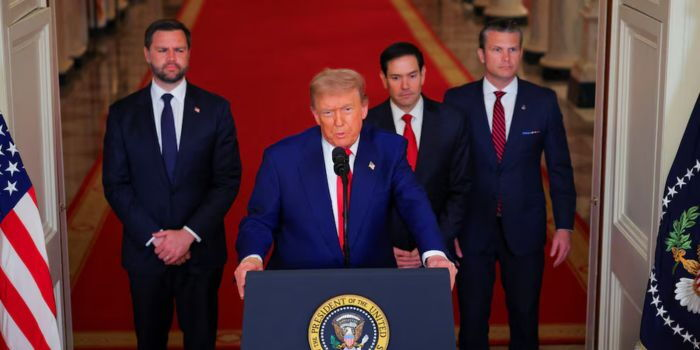
As federal agencies continue expanding immigration enforcement efforts, legal analysts expect election-related immigration cases to receive increased attention in the coming months.
ALSO READ: MPs Push for Termination and Blacklisting of Contractors Delaying KSh45.5 Billion Water Projects
Kenyans in U.S. Face Heightened Scrutiny as Trump Administration Expands Crackdown on Illegal Voting and Immigration Violations
