



Gachagua Rejects Claims Linking Kenya’s Fuel Prices to Strait of Hormuz Crisis
Speaking during a public address on Tuesday, May 19, Gachagua questioned the government’s explanation regarding the sharp rise in fuel prices, arguing that neighbouring countries within the region continue to sell petroleum products at significantly lower prices despite being affected by the same international market conditions.
The former DP’s remarks come amid growing public frustration over the latest fuel price adjustments announced by the Energy and Petroleum Regulatory Authority, which triggered nationwide protests and disruptions in the transport sector earlier this week.
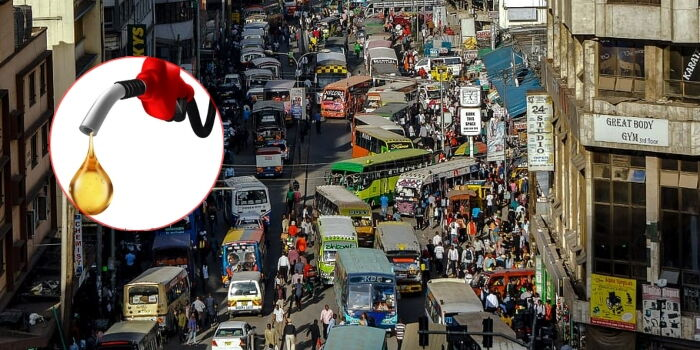
“They cannot continue blaming the Strait of Hormuz every time fuel prices go up while our neighbours are selling fuel at much lower prices,” Gachagua stated.
“If the problem is global, then why are Kenyans suffering more than citizens in neighbouring countries who buy fuel from the same international market?” he posed.
The Strait of Hormuz, located between Iran and Oman, remains one of the world’s most critical oil transit routes, with a significant percentage of global petroleum exports passing through the narrow waterway daily.
However, Gachagua argued that Kenya’s fuel pricing challenges are largely domestic and linked to taxation, inefficiencies, and policy decisions rather than purely external factors.
“Kenyans are not fools. They understand when they are being overtaxed and when excuses are being used to avoid accountability,” he said.
His remarks add to the growing political debate surrounding Kenya’s fuel pricing structure after recent increases in diesel and petrol prices sparked protests by matatu operators, boda boda riders, and digital taxi drivers across the country.

The protests forced the government into emergency negotiations with transport stakeholders, leading to a temporary suspension of a nationwide strike for one week to allow consultations.
Meanwhile, Treasury Cabinet Secretary John Mbadi has maintained that the recent fuel price increases are partly linked to global market conditions and the timing of fuel imports.
Mbadi recently explained that Kenya is currently consuming fuel imported in April 2026 when international crude oil prices had risen sharply, while neighbouring Tanzania is still relying on cheaper fuel imported earlier in March.
Political analysts say the fuel debate is likely to remain a major issue ahead of the 2027 General Election, especially as the rising cost of living continues to dominate national conversations.
“The burden being placed on ordinary Kenyans is becoming unbearable. The government must stop hiding behind international crises and address the real issues affecting fuel prices locally,” he added.

As pressure mounts on the government to ease the cost of fuel, many Kenyans now remain hopeful that anticipated reductions in global oil prices in the coming weeks could eventually translate into relief at local pumps and reduced transport costs across the country.
ALSO READ: DCI Launches Homicide Probe Into Death of Gospel Singer Rachel Wandeto After Brutal Mwiki Attack
Gachagua Rejects Claims Linking Kenya’s Fuel Prices to Strait of Hormuz Crisis
